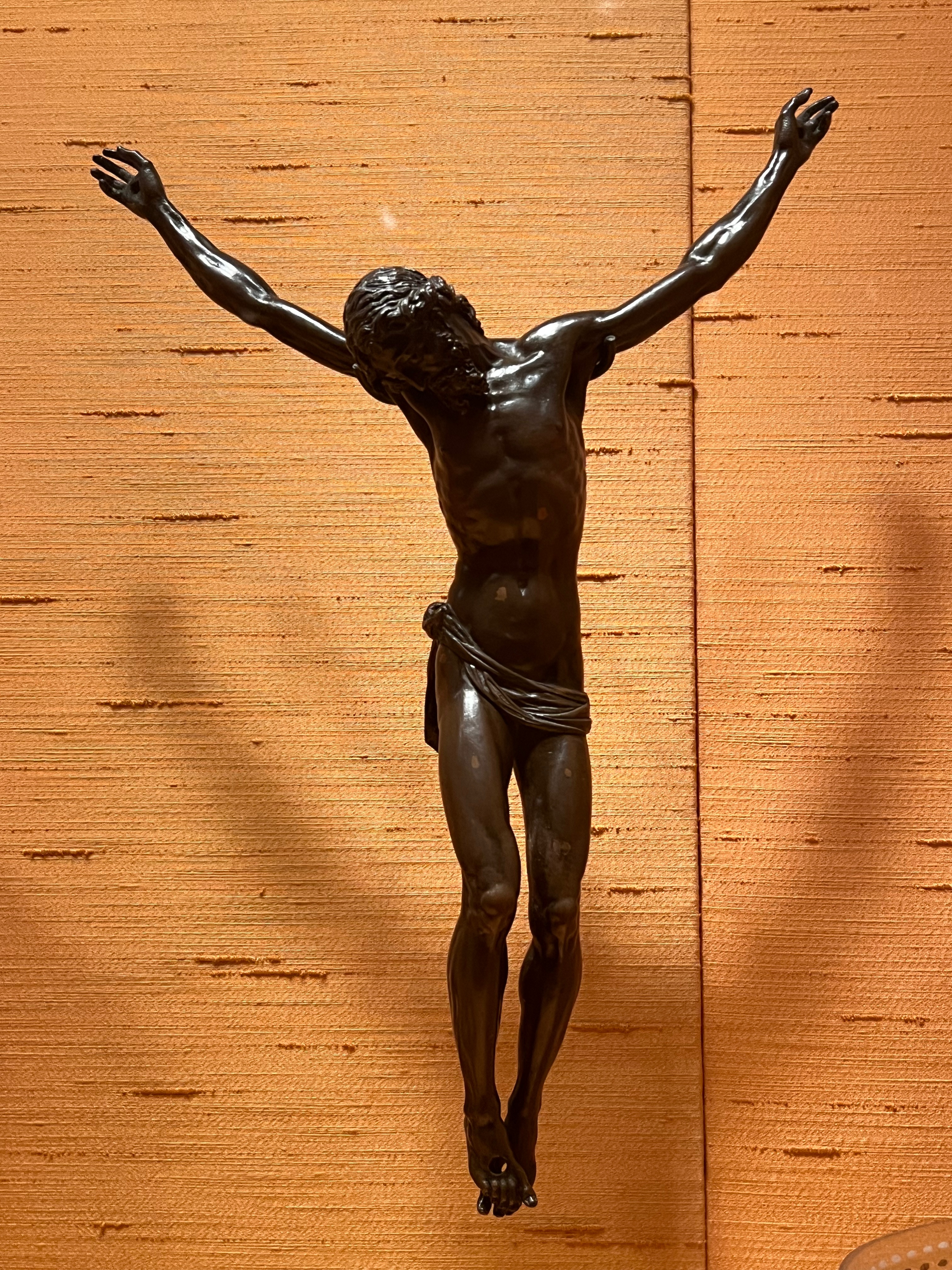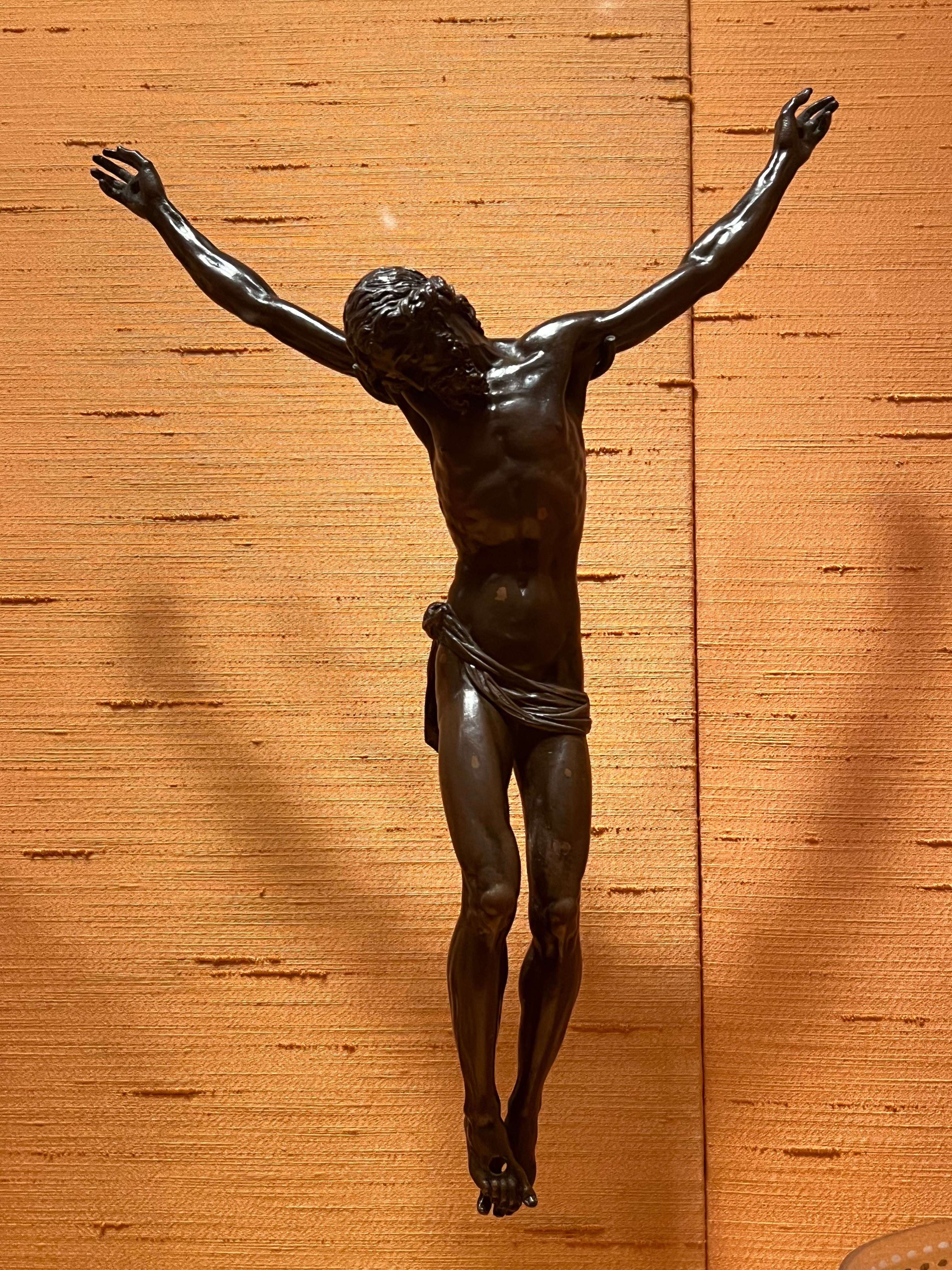
“Excuse – Direction of Faith”

Wind Series – Part 5

Beyond the Jordan,
like a burning glacier,
God’s way is fierce and clear.
(Matthew 3:13)

Rapids roar,
yet my hands lift eastward in prayer.
Time may falter,
but the will of the Lord does not sway.

Righteousness is not buried—
it breathes,
alive,
rising within me.

My throat a chimney,
the wind rests upon the mountain,
returns,
enters my chest again.
(Romans 3:10–18)
The Spirit’s breath takes root inside me.

Not far away,
a young woman sits,
holding a man’s shoes,
lifting a quiet weeping toward heaven.
Her cry becomes prayer,
her prayer touches the sky.

Even in alleys of the city,
in shattered designs,
the hand of God rebuilds
order and relation.

The wind of direction returns,
time condenses.
In that condensation,
we stretch out our hands to one another.

Through the valley of death
a pale figure walks toward light.
Even the hollow sound of the city
ascends as prayer.

Beyond the concave lens,
beyond hollow objectivity—
faith still stands,
faith is with us.

© TaeHun Yoon, 1969

Posted in Poetry | Leave a comment

“웬델의 애가” (목사관 서신, 도시에 남은 사람들, 다섯번째 이야기) 1989, 윤 완희

대부분이 70대의 노인으로 이루어진 교회 성가대에 테너 독창자, 웬델 홀(Wendel Wohl) 씨가 새로 들어오셨습니다. 그는 70대보다는 약간(2) 젊은 68세의 멋쟁이 신사였습니다. 오랫동안 테너로 수고하고 있는 델러(Dehler)의 박자와 쉼표를 상관치 않는 개성적 음색으로, 성가대 지휘자의 이맛살이 펴지지 않던 중, 웬델의 출현은 성가대의 음질을 평균 수준으로 올려놓는 대단한 변혁의 계기가 된 것입니다. 그의 테너 솔로 또한 일품으로서, 예배시간에 불려지는 그의 성가곡은 듣는 이로 하여금 감동을 불러일으켰습니다. 그의 무르익은 목소리를 타고 흐르는 성가는 차라리 애가라고 부르고 싶었습니다. 가슴 깊은 곳에서 울려나오는 인간의 회개와 신을 향한 절규가 온 성전을 메운 성도들의 영혼을 언제나 무서운 노도로 흔들곤 했습니다.

그는 매주 목요일 저녁에 있는 성가 연습에 한 번도 빠지지 않고 참석하였으며, 소프라노 대원들의 뒷좌석에 앉아 가끔씩 던지는 농담은 지루한 연습 시간을 곧잘 웃음바다로 만들곤 했습니다. 그러나 그가 진정 누구였는지 나는 알 수 없었습니다. 짧은 사귐을 통하여 자신이 누구인가를 곧 밝히는 우리의 습성과는 달리, 개인적인 삶에 대해서는 좀체 드러내지 않는 미국인들의 습성대로 근 1년이 넘도록 나는 그
를 충실한 성가대원으로만 알고 있었습니다.

여름이면 많은 교우들이 여행을 즐기므로 성가대도 두 달간 여름방학을 하게 됩니다. 목요일마다 있는 성가대 연습 시간의 그와의 짧은 대화도 막힌 지가 몇 주째 되던 어느 주일 아침, 그가 중풍으로 쓰러졌 다는 소식이 들려왔습니다. 노인들이 대부분인 교회로서 한 사람이 병 중에 있거나, 쓰러지는 일은 온 교회에 심리적으로 큰 영향을 끼칩니다. 교우들은 모두가 근심하며 염려하는 가운데 그의 회복을 위하여 기도하게 되었습니다.

그의 병실을 방문하려고 기도문을 준비하고, 한창 아름다운 자태를 드러내고 있는 살구빛 장미 세송이를 정원에서 잘라 내어, 목이 가는 꽃병에 담았습니다. 이 세상에 꽃이 있다는 사실은 우리에게 얼마나 큰 위로가 되는지 ….. 인간의 한계를 아시는 신은 언제나 우리가 찾는 것 이상의 것들을 마련하시는 것 같습니다.

웬델과는 오랜 친구로 알려진, 성가대 지휘자 밥(Bob Dehler) 씨와 함께 그가 누워 있는 롱아일랜드의 North Shore 대학병원을 찾아가게 되었습니다. 밥을 통하여 그가 누구인지를 알 수 있는 좋은 기회라 생각하여 밥과 그의 이야기를 나누게 되었습니다. 밥이 들려준 웬 델의 이야기는 다음과 같았습니다.

뉴욕 메트로폴리탄 오페라 단원으로서 웬델은 젊은 시절을 보내게 되었습니다. 거기서 만난 아름다운 소프라노 가수와의 결혼 생활에 세 자녀를 얻게 되었습니다. 성품이 호탕하고 자유분방한 그들의 삶은, 현실의 삶을 동행하는데 많은 오류를 갖게 되었습니다. 특히 자녀문제에 있어서 그들 부부로서는 어찌 할 바를 몰랐습니다. 그들에게는 현실의 화려함, 인간이 추구하는 명성을 얻기 위하여, 영적인 미래를 생각할 시간적 여유가 없었습니다. 아이들은 어려서부터 부모들의 방종함을 보고 자라나기 시작하였으며, 사치와 마약, 음주로 인한 사고의 연속이었습니다.

그들 부부는 뒤늦게 그들의 삶이 무엇이 잘못되어 있었는지 발견하고 종교를 찾게 되었습니다. 그러나 그들이 마음을 바로잡고 가정을 구하기 위하여 믿었던 종교는 사이비 종교로서 그들의 영혼을 편케 하거나 능력있는 삶의 변화를 가져다 주지 못했습니다. 사이비 종교의 평신도 회장까지도 역임한 바 있었던 웬델은 다시 사이비 종교를 탈퇴한 채, 자녀들의 문제로 힘겨운 세월을 보내게 되었습니다. 한때 그는 고등학교의 음악교사로 봉직하면서, 비행 청소년들을 위하여 선도에 심혈을 기울이기도 하였습니다.

그러나 오랜 세월을 마약과 술로 젊음을 방탕하게 보내던 32세의 장성한 그의 큰아들이 어느 날, 집안에서 목매달아 자살하고 말았습 니다. 아들의 사체 곁에서『어떻게 성공적인 자살을 할 것인가?」라는 책이 발견되었습니다. 어떻게 성공적인 부와 명성을 얻을 것인가를 추구하며 살아온 이들 부부는 아들의 자살 앞에 망연자실하였습니다. 지금까지 목적을 향하여 질주해온 일들이 한낱 물거품에 불과했다는 충격 속에, 부인은 스트레스로 인한 갖가지의 병에 시달리며, 죄의식에 사로잡혀 가던 중 별거를 선언하게 되었습니다.

이러한 와중에 결혼한 둘째 딸이 바람둥이인 남편의 편벽에 견디지 못하고 결혼생활 4년 만에 이혼을 하였습니다. 남편에게 두 아이를 말기고 친정으로 돌아와서 새로운 인생의 출발을 계획하고자 했으나 어 린 자녀들에 대한 그리움과 사랑을 주체할 수 없게 되어 괴로운 나날 을 보내게 되었습니다. 그러던 어느 날, 아이들을 찾아가 해후의 기쁨 을 잠시 누린 후, 집으로 돌아오던 날 낯선 호텔 방에서 약물 자살을
하고 말았습니다. 29세의 젊은 나이로 … …..

그의 젊음이 다하여 기력은 쇠약해지고 인생의 해는 기울어져 가는 길목에서 맞이한 바람은 흑독하였습니다. 자신을 돌아보며, 자학의 비웃음 뿐이었습니다. 그의 영혼은 광야를 향하여 소리치는 아이처럼 쓸쓸하였고 고독했습니다. 그의 젊음을 돌이켜 무대가 아닌, 피나는 영혼과 영혼의 부딪침이 있는 삶의 현장에서 일찍이 그 가치를 알았더라면 하는 속죄와 뉘우침의 눈물은 파도처럼 언제나 그를 휘몰아쳤었습니다. 자식을 예상치 않은 사고로 잃은 부모들의 눈물은 살아 생전 결코 마르지 않는다고 합니다. 그 아픔 또한 처절해서 뼈를 마르게 하고, 피를 마르게 한다고 하는데 … …. 하물며 제 스스로가 목숨을 끊었으니 … ….. 그것도 3년이라는 세월 안에 젊은 두 목숨이 … ….

나는 그의 상처에 눈먼 자가 되어 그의 속에 빙산처럼 잠겨져 있는 슬픔을 방관한 이 시대의 또 하나의 방관자였음에 소스라치게 놀랐습 니다. 나의 기도는 어디에 가 있었던가. 종교의 형태와 형식은 즐기기를 원하지만, 내가 어디 성실한 자인가? 다시는 누구에게도 “How are you? Fine, Thank You!” 라는 인사를 못 나눌 것만 같습니다. 그는 언제나 내게 “Fine, Thank You” 로 응답하지 않았던가?

그러나 사람이 사람을 안다는 것은 참으로 아름다운 일입니다. 나아가 그의 심령에 흐르고 있는 피멍 어린 언어들을 발견했을 때, 인간에 대한 격렬한 사랑의 뜨거움을 비로소 체험하는 것이 아닐까요. 오늘 내가 하늘의 태양을 보고 그 찬란함이 아름답다고 호들갑을 떠는 순간에, 어떤 이들은 태양의 빛이 암벽처럼 무거워 견딜 수 없다고 소리지를지도 모릅니다. 서로를 진정으로 알기까지는, 태양은 오직 찬란하다고만 주장합니다. 그러나 태양 빛이 암벽처럼 무겁다고 몸부림치는 사람의 심령을 안 후, 우리는 태양의 양면을 보게 되는 것입니다.

에어컨디셔너의 바람이 땀으로 젖은 등줄기에 확 들이치고, 주홍빛 사각형 타일이 병원 내부를 환하게 밝혀 주고 있었습니다. 다른 병원의 분위기와는 전혀 다른 깔끔한 현대식 건물 안의 주홍 빛 장식이 웬 지 좋았습니다. 중환자실(Intensive Care Unit)을 찾아 다가설 때, 왠델이 누워있는 병실 앞에 두 여인들이 벽을 기대고 서서 이야기하고 있는 모습이 눈에 들어왔습니다. 밥의 걸음이 빨라지면서 두 여인들을 향하여 반잡게 달려가 포옹을 하였습니다.

“미세스 윤, 이분이 웬델의 부인이고 이분은 따님이지요!”

밥의 표정은 몹시도 홍분되고 기쁜 모습이었습니다. 처음 만난 두 여인은 내게 있어서 오랜 교분을 나눴던 사람들처럼 친근감을 갖게 하였습니다.

“이 환자는 가족이 없습니까?” 하며 엊저녁까지도 의아해하던 간호사들 앞에서 할 말을 잃었었다는 밥의 고백을 상기하며, 진실의 부름이란 얼마나 귀한 것인가를 깨닫게 되었습니다.

웬델의 얼굴은 몰라보게 부어있었습니다. 가끔 눈을 뜨고 사람들의 얼굴을 돌아보곤 하였으나, 곧 다시 눈을 감았습니다.

“여보 제가 누군지 알고 계셔요? 저의 말이 들리면, 제 손을 꼭 눌러 주셔요?” 그의 부인은 안타까운 표정으로 그를 들여다보았습니다.

그의 손은 움직이지 않았습니다.

돌아오는 차 안에서, 그가 누워 있는 병실 쪽을 향하여 자꾸만 고개가 향하여졌습니다. 육중한 병동의 창문에 파란 하늘이 물결치듯 흐르고 있었습니다. 불현듯 그의 테너 솔로가 닫혀진 창들을 타고 들려 오는 듯했습니다. 그의 노래는 마치도 절벽과 절벽을 사이에 두고 외치는 사람의 마지막 메아리처럼 내 영혼 안에 큰 목소리로 끊임없이 들려졌습니다. 부끄러워 가슴을 움츠립니다. 사람과 사람끼리의 무관심, 만남의 불성실, 무력한 나, 아득한 이웃 … ….

교회의 편안한 앞자리에 앉아 그의 애가를 즐기던 나는, 애처러운 주님의 눈길 앞에 나는 무었이라고 변명해야 할까요?

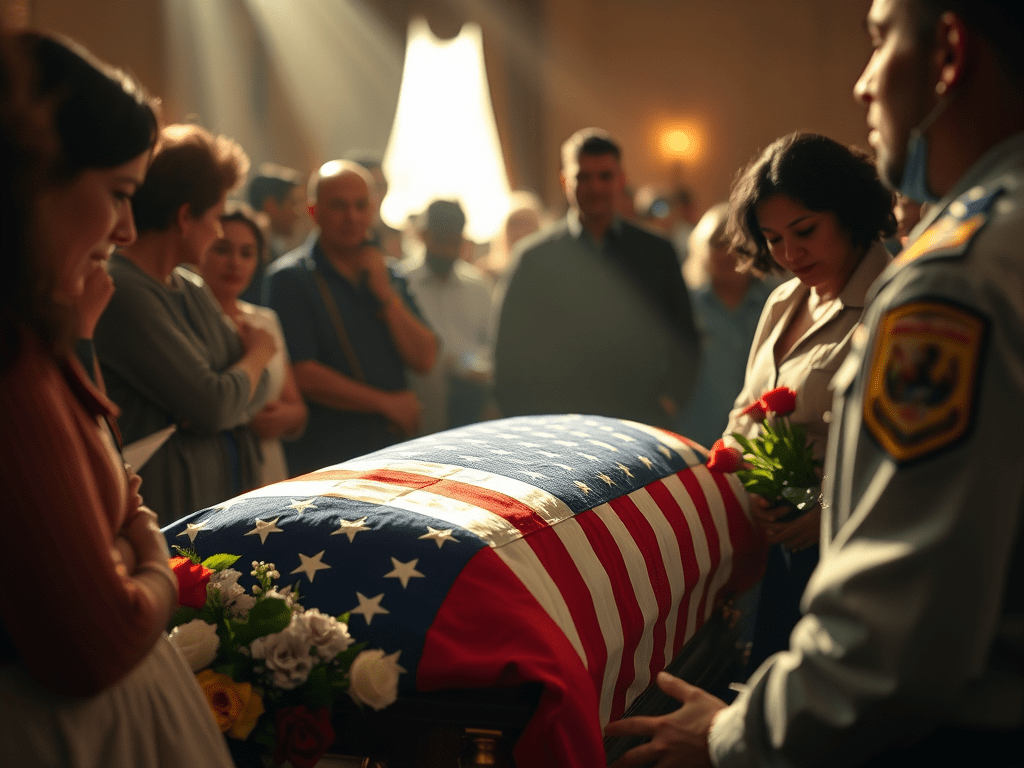
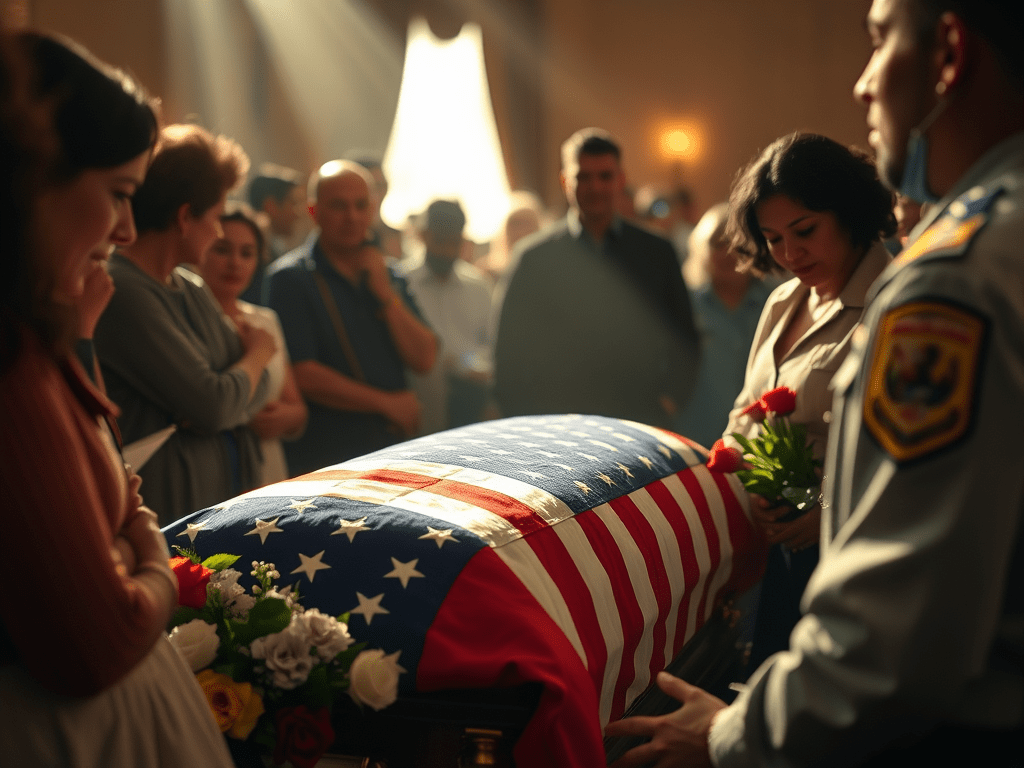
No photo description available.
Posted in Essay by WanHee Yoon, The People Who Remained in the City | Leave a comment

Wendel’s Lament

(Letter from the Parsonage, Those Who Remained in the City, Story Five)

© WanHee Yoon, 1989

A new tenor soloist, Mr. Wendel Wohl, joined our church choir, which was made up mostly of elderly members in their seventies. He was a stylish gentleman of sixty-eight, slightly younger than the rest. For a long time, the tenor section had struggled under Mr. Dehler’s peculiar rhythm and disregard for rests—his unique tone keeping the choir director’s brow furrowed. Wendel’s arrival was a great turning point, raising the choir’s sound to an average standard. His tenor solos were superb, and whenever he sang during worship, his voice stirred deep emotion. Flowing through his seasoned voice, the sacred songs felt more like laments—echoes of human repentance and cries toward God that shook the souls of the congregation with a terrifying force.

He never missed Thursday evening choir practice. Sitting behind the sopranos, he would sometimes toss in a witty remark, turning tedious rehearsals into waves of laughter. Yet, I could not truly know who he was. Unlike Koreans who quickly reveal their personal stories, Americans often guard their private lives. So, for more than a year, I knew him only as a faithful choir member.

During the summer, when many members traveled, the choir took a two-month break. Weeks passed without even the brief conversations we shared on Thursdays. Then one Sunday morning, news came—Wendel had suffered a stroke. In a church of mostly elderly people, the illness or collapse of one member weighs heavily on everyone. Concern spread quickly, and prayers rose for his recovery.

Preparing to visit his hospital room, I wrote a prayer and cut three apricot-colored roses blooming beautifully in the garden, placing them in a slender vase. How comforting it is that flowers exist in this world! God, who knows human limits, always provides more than what we seek.

Together with Bob Dehler—the choir director and Wendel’s old friend—I went to North Shore University Hospital on Long Island, where Wendel was lying. I hoped through Bob to learn more about who Wendel really was. Bob’s story unfolded like this:

In his youth, Wendel sang with the New York Metropolitan Opera. There, he met a beautiful soprano and married her; they had three children. Their personalities were bold and free-spirited, but such a life brought many mistakes, especially in raising their children. Consumed by careers, fame, and glittering realities, they had little time to think of spiritual matters. Their children, raised amidst their parents’ excesses, grew up into lives of luxury, drugs, and accidents caused by alcohol.

Eventually, realizing their lives had gone astray, the couple sought religion. Sadly, the group they joined turned out to be a cult. Far from healing their souls or transforming their lives, it left them empty. Wendel even became a lay leader in the cult before finally leaving, only to struggle again with his children’s troubles. For a time, he worked as a high school music teacher, pouring himself into guiding troubled youth.

But tragedy struck. His eldest son, thirty-two years old, wasted by years of drugs and alcohol, hanged himself at home. By his body lay a book titled How to Commit a Successful Suicide. Parents who had chased after success and prestige now faced the utter futility of it all. His wife fell ill from stress and guilt, eventually separating from him.

Soon after, their second daughter’s marriage collapsed. Unable to endure her unfaithful husband, she divorced after four years, leaving her two young children with him. Returning home, she tried to start anew, but the longing for her children overwhelmed her. One day, after a brief reunion with them, she overdosed on drugs in a hotel room. She was only twenty-nine.

As Wendel’s youth faded and strength waned, a bitter wind met him at life’s twilight. Self-mockery haunted him. His soul, lonely as a child crying in the wilderness, was overwhelmed by regret. If only he had recognized earlier the true worth of life—not on stage, but in the collision of souls in real living. Tears of repentance surged in waves. They say the tears of parents who lose a child never dry. That pain is fierce enough to dry bones and blood. How much more when two young lives are lost to suicide within three years!

I was shocked to realize I had been blind to the iceberg of sorrow within him. I, too, had been a bystander to his grief. Where had my prayers gone? I enjoyed the forms and rituals of religion—was I truly faithful? I felt I could never again casually greet anyone with, “How are you? Fine, thank you.” For had he not always answered me that way?

Yet to know another person—truly know them—is a beautiful thing. When we discover the bruised, hidden words in another’s soul, we begin to taste the burning intensity of love for humanity. While I gush over the beauty of the sun, others may cry out that its light presses down like a crushing wall. Until we truly know one another, we only claim the sun as radiant. But once we feel the weight of the sun on another’s heart, we see its two sides.

The hospital’s air conditioner struck cool against my sweaty back. Crimson tiles lit up the halls with brightness, unlike the heavy atmosphere of other hospitals. As we approached the ICU, I saw two women leaning against a wall outside Wendel’s room. Bob’s pace quickened—he rushed forward, embracing them.

“Mrs. Yoon, this is Wendel’s wife, and this is his daughter!”

Bob’s face was flushed with joy. Though meeting them for the first time, I felt as if I had long known them. I recalled how nurses had wondered aloud the night before whether this patient had no family. Now I understood the pricelessness of truth revealed.

Wendel’s face was swollen beyond recognition. At times he opened his eyes and glanced at faces around him, only to close them again.

“Honey, do you know who I am? If you hear my voice, please squeeze my hand,” his wife pleaded desperately. His hand did not move.

On the drive back, I kept turning my head toward the hospital, toward his window. Against the heavy walls of the ward, blue sky rippled like waves. Suddenly, I seemed to hear his tenor solo, streaming through the shut windows. His song resounded like the final echo cast between cliffs—unceasing, inside my soul. Shame bent me low. Human indifference, shallow encounters, my own weakness, the vast distance to my neighbor…

I, who once sat comfortably in the front pew enjoying his lament—what excuse could I possibly offer before the Lord’s sorrowful gaze?

Posted in Essay by WanHee Yoon, The People Who Remained in the City | Tagged , , , , | Leave a comment

“빌딩 번호 40” (목사관 서신, 도시에 남은 사람들, 네번째 이야기) 2001, 윤 완희

그날은 한여름의 열기를 식히려는 듯, 오랜만에 비가 주룩주룩 내리고 있었습니다. 잘 가라는 인사를 하고 또 하며 그녀의 손을 놓으려 할 때, 그녀의 마른 손길은 쉽게 나의 손을 놓으려 들지 않음을 느낄 수 있었습니다.

‘꽝’하는 굉음과 함께 쇳문을 걸어 잠그는 간호원의 열쇠 꾸러미 소리가 잠시 들리자, 나는 뒤돌아보지 않은 채 엘리베이터를 향하여 걸었습니다.

“잘 가시오! 고향에 가서 피곤한 육신일랑 편히 쉬며, 정신과 의사를 한달안에 만나도록 하셔야 됩니다.”

“아니? 왜 정신과 의사를 만나야 됩니까? 난 정신병자도 아닌데?” 이 00씨의 쌍꺼풀진 눈이 동그랗게 잠시 빛났습니다 … …

“전에 말씀하셨듯이 눈이 잘 안보인다고 했지요? 그동안 복용한 약이 무엇이었는지, 그리고 증세가 어떤지를 이곳 병원 의사가 상세하 게 썼으니 한국에 가시거든 그것을 정신과 의사에게 꼭 보이셔야 합니다.”

“아하, 눈 때문에 그렇죠?”

그녀는 자신이 왜 석 달 동안을 정신병원에 갇혀 있었는지, 아직도 모르고 있는 듯하였습니다.

우리는 석 달 동안 그녀의 인생길에 초대되었습니다. 그녀의 길은 마른 광야였으며, 인적이 잠시 끊어진 길이었습니다.

“한국인 무숙자 여인이 경찰서를 떠나지 않고 있으니, 도와달라.”라는 동네 경찰의 전화를 통해 그녀를 만나게 되었고, 미로와 같은 그녀의 과거를 추적하게 되었습니다. 그리고 그녀의 한국에 계신 어머니를 찾았고, 전화로 여러 번의 통화를 하였습니다.

처음 이 00 씨를 정신병원의 면회실에서 만났을 때 그녀의 흐트러짐 없는 꼿꼿한 자세가 매우 인상적이었습니다. 역시 그녀는 한국에서 모 대학원까지 졸업했으며, 대학에서 영문학을 강의하던 교수직에 있던 여인이었습니다.

독신의 몸으로 미국에 교육학 박사학위를 받으러 올 수 있었던 다부진 여인, 그러한 그녀가 몇 년 전에 뉴욕에서 교통사고를 당하여 머리를 심하게 부딪친 경험이 정신병의 시초가 되지 않았는가를 추적하게 되었습니다.

“식사할 때도 어찌나 급하게 먹어야 되는지 소화가 되지 않아 가슴이 늘 답답해요. 의사에게 말해서 소화제를 얻어줘요?”

“아니? 왜 식사를 그리 급히 합니까?”

“빨리 먹고 가야 누워 있을 수 있는 의자를 차지하지요.” 말도 통하지 않는 사람들과 마주보고 앉아 있느니, 의자에 누워서 눈감고 있는 것이 아예 편하다는 것입니다. 그녀는 종일 무슨 생각을 할까?

“한 사람당 하루에 얼마가 들어가는지 아세요? 의사, 간호원, 숙식비, 빌딩 운영비 등을 합하여 하루에 $550.00가 들어갑니다.”

그러니, 빨리 가족을 찾아 달라는 병원측의 합당한 요구였습니다. 병원죽은 요구가 문제가 아니라, 낮이면 발광하는 여인들의 틈바구니 속에서 비석처럼 누워있는 그녀가 안쓰럽기 그지없었습니다.

미국의 세금제도가 새삼 고마웠습니다. 불법 체류자일지라도 치료가 필요한 사람은 우선 치료부터 시켜 놓고 보니 말입니다. 그들의 박애정신이 어떻게 이 땅에 뿌리를 내릴 수 있었을까요? 물론 하나님의 사랑에 근거를 두었기 때문입니다.

그녀를 만난 후, 하나님께서 한 사람의 잃어버린 양을 위해 얼마나 안타까워하시며 찾으시기를 원하시는지, 그 가슴을 엿보곤 가슴이 뭉 클해졌습니다. 우리는 그녀의 삶의 무대에 잠시 엑스트라 역할을 했 을 뿐입니다.

한 사람의 온전한 삶의 회복을 위하여, 그녀의 언어를 대변케 하시고, 부러진 그녀의 꿈조각을 주워 모으게 하시며, 끊어진 혈육의 관계 를 다시 연결케 하시고, 더 나아가서는 그녀와 하나님과의 일대일의 관계를 찾기를 원하신 것입니다. 인간을 사랑하시는 엄청난 그 사랑이 결코 무더기 사랑이 아닌, 하나하나 아주 특별한 축복 속의 사랑인 것입니다.

이대론 고향에 가지 않겠노라는 여인을 설득하고, 여권을 갱신하고, 정신병자는 비행기에 태울 수 없다는 항공사의 직원을 설득하고, 비행기를 바꾸고 … ….

그녀가 이 땅에 마지막으로 거하고 있던 주소는 ‘빌딩 번호 40’ 이 였습니다. 빌딩 번호 40, 인간의 가장 낮고 어두운 무대의 현주소, 그 곳에는 1,500여 명의 천하보다도 귀한 생명들이 온전한 삶으로의 회복을 위해 몸부림치고 있습니다.

평소에 위안받기를 즐겨하고 치료받기를 즐겨하던 내 영혼이, 조연이 되어 남을 위해 위안하고 치료해 주기란 어찌 그리 힘이 드는지 … … . 내가 갖고 있는 사랑의 샘이란 단 하루라도 비가 오지 않으면 형편없이 말라빠지고 마는 것임을 알게 하여 주시니, 이 또한 은총이었습니다. 그럼에도 불구하고 전능자의 손에 불림당함이란 참으로 신비하고 감격스러울 뿐입니다.

우리의 주인공 이 00 씨는 언어의 대변자가 더 이상 필요치 않습니다. 이제는 하나님과 인간과의 신비로운 관계를 대변해 줄, 고향의 정든 얼굴들과 그녀의 어머니가 기다리고 계시는 땅으로 귀국하였으니까요. 그러나 이 땅에 있는 우리에겐 ‘빌딩 번호 40’의 현주소가 아직 도 남아 있으니…….

Create a photo-style image of a psychiatric building with the number "No. 40" clearly visible on its facade. The building should have a somber, institutional appearance, with muted tones and architectural details that evoke a sense of history and introspection. No text other than "No. 40" should appear.
Posted in Essay by WanHee Yoon, The People Who Remained in the City | Leave a comment

“Building No. 40”

(Letter from the Parsonage, Fourth Story in the ‘Those Who Remained in the City’ series)

© WanHee Yoon, 1989

That day, as if to cool the heat of midsummer, rain was pouring down after a long while.
When I tried to release her hand with repeated farewells, I could feel her dry fingers reluctant to let go of mine.

With a loud clang, I heard for a moment the nurse’s keys locking the iron door. Without turning back, I walked toward the elevator.

“Farewell! Once you return home, let your weary body rest, and within a month you must see a psychiatrist.”

“What? Why must I see a psychiatrist? I’m not insane!” For a brief moment, the double-lidded eyes of Miss Lee widened with surprise.

“As you said before, your vision has grown weak, hasn’t it? The doctor here has recorded in detail the medications you’ve taken and the symptoms you’ve shown. Once you’re back in Korea, you must show these to a psychiatrist.”

“Ah, so it’s because of my eyes?”

It seemed she still did not understand why she had been confined to a mental hospital for three long months.

For those three months, we had been invited into her life’s journey. Her path was a dry wilderness, a deserted road.

We first met her through a call from a neighborhood policeman: “There is a homeless Korean woman who refuses to leave the station. Please help.” From there, we traced the labyrinth of her past, found her mother in Korea, and spoke with her several times over the phone.

When I first met Miss Lee in the hospital visiting room, her upright, composed posture was striking. Indeed, she had once graduated from a graduate school in Korea and taught English literature at a university.

A determined woman, she had come to the United States alone to pursue a doctorate in education. But a car accident in New York years earlier, where she struck her head severely, may have been the beginning of her illness.

“At meals, I eat so quickly that food never digests—I always feel heavy in my chest. Please ask the doctor for some digestive medicine.”

“Why do you eat so hastily?”

“Because if I don’t eat quickly, I cannot claim a reclining chair to lie down in. Better to close my eyes in rest than sit face to face with those who cannot even speak with me.”

What thoughts filled her mind all day long?

“Do you know how much it costs to care for one patient per day? Including doctors, nurses, meals, lodging, and building maintenance—it’s $550 a day.”

No wonder the hospital insisted her family be found quickly. Yet it wasn’t their demand that weighed on me most—it was the sight of her lying like a gravestone, day after day, among the shouting, restless women of the ward.

For the first time, I felt deep gratitude for America’s tax system: even an undocumented immigrant, if in need of treatment, is first given care. What rooted such compassion in this land? Surely, it rests upon the love of God.

Through her, I glimpsed how deeply God longs for even one lost sheep, how earnestly He searches. My heart was stirred. We were only extras upon the stage of her life, yet God was weaving His own drama of restoration.

He sought to restore her broken dreams, to reconnect severed ties of kinship, to reawaken her one-to-one relationship with Him. His love for humanity is never generic, but always a precise and personal blessing.

Convincing her to return home was not easy. We had to renew her passport, persuade the airline—who refused to carry psychiatric patients—and finally arrange her passage.

Her last known address in this land was “Building Number 40.”
Building 40: the lowest, darkest stage of human struggle, where 1,500 lives—each more precious than the world—were striving for wholeness.

My own soul, accustomed to being comforted and healed, found it hard to play the supporting role—to comfort and heal another. Yet I learned that the well of my love dries up quickly without fresh rain, and that even this poverty of spirit is a gift of grace.

Still, to be called into God’s service—this remains a mystery and a wonder.

Now, our protagonist, Miss Lee, no longer needs a translator of her words. She has returned home—to the land where her mother and familiar faces wait for her, and to God, who holds her life.

But for us who remain here, Building 40 is still with us…

Create a photo-style image of a psychiatric building with the number "No. 40" clearly visible on its facade. The building should have a somber, institutional appearance, with muted tones and architectural details that evoke a sense of history and introspection. No text other than "No. 40" should appear.
Posted in Essay by WanHee Yoon, The People Who Remained in the City | Tagged , , , , , | Leave a comment

Birth – The Returning Me

I was the Wave, the Silence, the Dance

Black ink surges from the sea— a resonance within, bursting from depths like the heartbeat of creation.

Waves carry memory. On white sand, traces remain: the path I walked, the way back, the road not yet taken.

To be born is to shed— without shell, without pretense, a being ripening in time.

The contours of life become a dance. Pain turns to art, a twisted body becomes the shape of beauty.

What I could not say, the echo that arrived late— yet in that silence, I heard myself.

Through all things, I have returned to this place. The wave, the silence, the dance— they were all me.

[Wind Series – Part 2]

  • Original text written in Korean.

© TaeHun Yoon, Spring 1969

Posted in Poetry | Leave a comment

“Flying a Kite”

(Letter from the Parsonage, Third Story in the ‘Those Who Remained in the City’ series)

Guarding the spiritual self within the body is like a kite lifted by the wind. The owner of the kite is God, the string connecting it is Jesus Christ, and the wind is the Holy Spirit.

When the owner does not release the string, the kite cannot fly an inch. If the kite itself decides to soar higher by cutting the string, it ceases to be a kite at all.

For me to fly into the higher skies, I must first listen to God’s voice before the affairs of the world begin. The Holy Spirit still teaches me today—through the rough waves of life—which way to turn my head in order to meet a radiant rainbow, to reach the cool streams of water flowing in a valley. God does not want our lives to remain fixed in one place.

There are conditions required for flight. I must discard all unclean thoughts, needless worries, conflicts, disorder, envy, and strife within me. These only weigh me down. We may recall childhood moments when, before the kite could rise high, it became entangled in a tree or snagged on a power pole—spoiling the game from the start.

No matter how beautiful or well-shaped the kite looks on the outside, if it is too heavy, it will never rise into the blue sky. A person bound by the clutter of desires cannot be lifted by the wind. At times, a strong gust may momentarily lift such a person, but when life returns to calm, the kite plunges straight down. The less I cling to as mine, the lighter and freer I become. From our weakness we must find courage, from our complacency we must rise decisively, and we must be bold in the work of emptying ourselves.

Emptying myself is never without pain. So many in this world have become slaves to unquenchable desires, striving to solve every hardship and sorrow by themselves. They take medicine. They drink to excess. They gamble away their lives. Yet in the end, they receive nothing but the bankruptcy of self-loss. Some, unable to endure, even choose death.

It is a strange truth: without suffering, humanity neither knows God, nor seeks Him, nor sees Him. God has given us freedom of choice and waits for our permission.

To know God is to center myself and to empty myself. It is no small pain to let my earthly self listen to His word and follow His guidance. The suffering that comes from human sin leads to the pain of falling, but the suffering within Him is followed by abundant comfort and overflowing love.

Entrust yourself to God, the true Owner of the kite. The Lord will hold you, and the Holy Spirit will delight in the free dance of your flight.

  • Original text written in Korean.

© WanHee Yoon, 2001

Create a painting inspired by the poem 'Tone of Bereavement – Beside the River the Fisherman Left Behind' by TaeHun Yoon. The image should depict a quiet riverbank with tall reeds, a solitary fisherman searching, and symbolic elements like a bent spine of time, frozen soil, and echoes of Auschwitz and Six-fingers. The atmosphere should evoke loss, memory, and historical silence. No text.
Posted in Essay by WanHee Yoon, The People Who Remained in the City | Tagged , , , , , | Leave a comment

“연 날리기” (목사관 서신, 도시에 남은 사람들, 세번째 이야기) 2001, 윤 완희

육체 속에 있는 영적인 나를 지키는 일은, 마치 바람에 떠있는 연과 같습니다. 연의 주인은 하나님이시고, 연을 연결하고 있는 실은 예수 그리스도이시며, 바람은 성령님이십니다.

연을 붙들고 있는 주인이 실을 풀어주지 않을 땐, 연은 한치도 날 수 없습니다. 연 스스로가 높이 날아가 보겠다고 실을 끊어버렸을 경우, 그 연은 이미 연이 아닙니다.

내가 더 높은 창공을 날기 위해서는 세상일이 시작되기 전 하나님의 음성을 들어야만 합니다. 성령께서는 오늘도 거친 세파 속에서 어떤 방향으로 머리를 돌려야만 아름다운 무지개를 만날 수 있고, 시원한 계곡의 콸콸 흐르는 물줄기를 만날 수 있는지 가르쳐 주십니다. 하나님은 우리의 인생이 한 곳에만 머물러 있기를 원치 않으십니다.

날기 위해서 우리에게 요구되는 조건이 있습니다. 내 속에 들어있는 온갖 불결한 생각들과 잡다한 걱정 근심, 불화, 갈등, 무질서, 시기심 등을 버려야만 합니다. 이 모든 것들은 내게 형편없는 무게가 될 뿐 입니다. 우리는 어릴 적 연날리기를 하다가 연이 높이 뜨기도 전에 나무에 걸리거나 전봇대에 걸려, 초장에 연놀이를 망쳐 본 기억을 떠을릴 수 있습니다.

아무리 겉으로 아름답고 그럴 듯한 모양의 연일지라도 그 무게가 무거우면 푸른 창공에 감히 떠오를 수 없습니다. 온갖 욕망의 거추장 스러움에 나를 얽매인 사람은 바람에 뜰 수 없습니다. 물론 때로는 강한 바람에 의해 잠시 떠오를 수 있습니다. 그러나 일상의 평정이 찾아 오면 이내 곤두박질해 밑으로 떨어져 버리고 맙니다. 진정 내 것이 없을수록 나는 가벼워지고 홀가분해집니다. 우리는 우리의 무기력함에서 용기를 내고, 안일함에서 과감히 일어서는 결단이 매순간 필요합니다. 그리고 자기를 비우는 일에 과감해야 합니다.

나를 비우는 일은 고난이 아닐 수 없습니다. 세상의 많은 사람들은 채우려야 채울 수 없는 욕망의 노예가 되어, 모든 고난과 고통을 스스로 해결하고자 노력합니다. 약을 먹습니다. 술에 취해도 봅니다. 노름 속에 자신을 던져보기도 합니다. 그러나 끝내는 자아 상실이라는 파산선고만 내리게 될 뿐입니다. 어떤 이는 견디다 못해 스스로 죽음의 길을 선택합니다.

참 이상한 일이지요. 인간이 고난 없이는 하나님을 알지도 못하고 찾지도 않고, 보지도 못하다니… … .
하나님은 우리에게 선택의 자유를 주시고, 인간 스스로가 허락하기를 기다리시니 말입니다.

하나님을 안다는 일은 나의 중심을 잡고, 나를 비우는 것입니다. 세상 육신 속에 있는 내가 영이신 그분의 말씀을 경청하고 그분의 인도하심 속에 따라가기란 여간 고통이 아닐 수 없습니다. 인간의 죄로 인한 고통은 추락의 아품을 겪지만, 그분 안에서의 고난은 그분의 위로와 사랑이 풍성히 넘치도록 뒤따릅니다.

‘연’의 주인 되신 하나님께 당신을 맡겨보십시오. 주님께선 당신을 붙드실 것이며, 성령께서 자유로운 당신의 춤을 기뻐하실 것입니다.

Create a painting inspired by the poem 'Tone of Bereavement – Beside the River the Fisherman Left Behind' by TaeHun Yoon. The image should depict a quiet riverbank with tall reeds, a solitary fisherman searching, and symbolic elements like a bent spine of time, frozen soil, and echoes of Auschwitz and Six-fingers. The atmosphere should evoke loss, memory, and historical silence. No text.
Posted in Essay by WanHee Yoon, The People Who Remained in the City | Leave a comment

“The Gift”

(Letter from the Parsonage, Second Story in the ‘Those Who Remained in the City’ series)

by Wanhee Yoon, 2001

A few days ago, I received truly heartbreaking news. A young man, Daniel, only 22 years old, suffered a sudden heart attack while exercising with his friends and passed away. His bright smile and resonant voice feel as if I could still see and hear them—almost as if I could call his house now and hear his cheerful greeting—but he is already gone.

No words in this world can truly comfort parents who have lost a child. Yet I bowed my head in reverence before the parents’ mature faith, who endure their sorrow with the staff of faith, firmly believing their son has gone to heaven and finding comfort there.

All of us living in this world must one day face death. Often, we are confronted with unwanted death when those we love pass away. Death also comes to us in experiences of divorce, broken families, moving away, war, political oppression, immigration, natural disasters, car accidents, or sickness. Through such encounters with death, we are reminded of this truth: each day of life is a gift from God (Ecclesiastes 3:13).

This gift is pure, beautiful, and infinite, filled with God’s own lovingkindness—without measure or standard, for God does not set limits. Yet we, the recipients, too often live as slaves to our own lives, clinging to an absolute sense of ownership. “My child, my house, my possessions, my land, my homeland, my nation, my family, even my in-laws or neighbors”—all of these become burdensome, even bothersome. We long to be free within it all, yet we find no true refuge. At last, loneliness overwhelms us, and we mutter to ourselves: Why am I living at all?

One day, as if the shutters that had long blocked the light are suddenly flung open, we will kneel in awe before the Source of Life. Like a bottle sealed for decades whose cork suddenly bursts loose from a shock, so too does our self awaken anew.

Leland Stanford, a U.S. Senator from California, lost his only son in a tragic accident. Grieving, he lost his will to live. One night in a dream, his son appeared and said: “Father, please do not say you have no reason to live anymore. Instead, live for others—for the children who are less fortunate.”

Thereafter, Stanford invested $20 million to found Stanford University in Palo Alto. He and his wife devoted themselves to serving the poor and the suffering. They left behind all their wealth to be used for the good of future generations, and then departed this life.

Reynolds Price, an American writer, was diagnosed with spinal cancer ten years ago. Once withdrawn and self-centered, he transformed into a gentle man who shared abundantly with others. Told he had but a year to live, he went on to publish thirteen new books, and to this day remains alive and actively writing. His book A Whole New Life became widely acclaimed. That he has lived on is the fruit of discovering the true meaning of life on the threshold of death—and pursuing it with will and determination.

Standing at death’s edge—whether through losing a loved one or through our own experiences—is painful. Yet the conclusion we reach is this: there is nothing in this world we can truly cling to as “mine.” While we have time, we must serve, help, and comfort others. We should long not only to assert our own wounds, but to accept the wounds of others as our own. And when we open wide the fortress of the self—long shut like a city wall—the songs of birds and the flood of light pour in, a wondrous experience beyond words. For the moment comes to every one of us when even our bodies and souls must be entrusted into the hands of our Creator. This, too, is a fairness we cannot deny.

The death of young Daniel has left behind sorrow and pain that defy understanding for all who loved him. But does this mean God has taken away His gift? No. Rather, Daniel, leaving this one-dimensional life of earth early, has been gathered into God’s embrace, and left his life as a gift for those who loved him. Though his body has departed, his spirit remains with us, urging us to seek in earnest reflection the unseen and undiscovered world. We can be assured: he still breathes with us in our lives.

Posted in Essay by WanHee Yoon, The People Who Remained in the City | Tagged , , , , , | Leave a comment

“선물” (목사관 서신, 도시에 남은 사람들, 두번째 이야기) 2001, 윤 완희

며칠 전에 참으로 슬픈 소식을 접하게 되었습니다. 이제 22세 된 청년 다니엘이 친구들과 운동을 하다가 심장마비를 일으켜 세상을 뜨고 말았습니다. 그의 밝은 미소, 낭랑한 음성은 지금도 만날 수 있을 것 같고 금방이라도 그의 집에 전화를 걸면 그의 밝은 음성이 들려올 것 만 같은데, 그는 이미 떠났습니다.

이 세상의 어떤 말로 자식 잃은 부모를 감히 위로할 수 있으랴마는 그래도 신앙의 각목으로 슬픔을 버티시며 자식이 천국에 간 것을 확신하시며 위로를 찾으시는 부모님의 성숙된 모습 앞에 고개가 숙여졌습니다.

이 땅에 사는 우리 모두는 언젠가는 죽음을 맞이해야 하며, 주변의 사랑하는 이들의 타계로 인해 원치 않는 죽음과 맞설 때가 종종 있습니다. 이혼과 가정 파탄, 이사, 전쟁, 정치적인 압박, 이민, 천재지변, 교통 사고, 병 등에서 오는 죽음의 체험들 속에서 얻어지는 것은, 하루의 삶은 하나님의 선물(전 3:13)이라는 깨달음입니다.

그 선물은 하나님 자신조차도 규격을 정하거나 질량을 정하지 않으신 하나님 그대로의 인자하심이 가득 담긴 지순하고 아름답고 무한한 것입니다. 그럼에도 불구하고 받은 인간은 스스로의 삶의 노예가 되어 살아감을 당연한 일로 여기며 자신에 관한 절대적 주인의식으로 부자유하게 살아갑니다. 내 자녀, 내 집, 내 물건, 내 소유, 내 땅, 내 고향, 내 나라, 내 민족, 내 식구나 친정식구들, 이웃조차도 부담스러운 존재가 되며 귀찮아집니다. 그 안에서 맘껏 자유하고 싶지만 진정 갈 곳이 없습니다. 그리고 끝내는 너무 외로워 왜 살고 있는지 모르겠다고 독백을 하게 됩니다.

어느 날 빛을 차단했던 유리창의 덮개가 화들짝 열려지듯이 생명의 원천의 존재 앞에 두려움으로 무릎을 꿇는 날이 우리에게 올 때가 있습니다. 마치 수십 년을 단단하게 봉해져 있던 병마개가 어느 충격에 의해 퉁겨져 나가는 모습처럼, 내 자아가 새로 깨어나는 순간입니다.

캘리포니아에서 선출되었던 연방 상원의원 리랜드 스탠포드는 그의 외아들을 불의의 사고로 잃고 말았습니다. 상원의원은 아들을 잃은 슬픔에 잠겨 살아야 할 의미를 상실하였습니다. 하루는 꿈속에서 그의 아들이 나타나 아버지에게 말하기를 “아버지! 다시는 이 땅에서 살 필요가 없다고 말씀하지 마셔요. 대신 인류를 위해서 불우한 다른 이들의 자녀를 위해 사셔요!”라고 하였습니다.

그 후, 팔로 알토에 리랜드 스탠포드(Leland Stanford) 대학을 2천 만 달러를 들여서 세우게 되었으며, 그와 그의 부인은 가난한 자, 고난 받는 자들을 위해 봉사하는 삶으로 변화되었습니다. 그리고 그들의 모든 재산을 일어나는 세대의 선한 일을 위하여 쓰여지도록 남겨 놓고 떠났습니다.

미국인 작가인 레널즈 프라이스는 10년 전에 척수암 선고를 받고 평소의 폐쇄적이고 자기 중심적 성향의 사람에서 온화하고 타인들과 많은 것을 나누는 사람으로 변화하였습니다. 10년 전, 일년 후면 사망할 것이라는 의사의 진단을 받고, 13권의 저서를 새로 출간하고 지금도 살아 활발한 작품활동을 하고 있으며, 저서 “전적으로 새로운 인생”은 장안의 화제가 되고 있습니다. 그가 의지와 집념으로 오늘날까지 살아있을 수 있음은 죽음의 문턱 앞에서 발견한 삶의 참의미와 그것을 향한 노력 때문입니다.

사랑하는 이들의 죽음을 통해, 혹은 자신의 경험을 통해 사선의 문턱에 서는 일은 고통스러운 것입니다. 그러나 얻어지는 결론은 이 땅에 움켜쥐어야만 될 내 것은 아무것도 없다는 사실입니다. 시간이 우리에게 주어져 있을 때 열심히 남을 위해 봉사하고 도우며, 비로소 내가 있음으로 남을 편하게 해주기를 바라고, 내 상처만을 주장하지 않고 상대방의 상처를 내것으로 받아들여야 합니다. 굳게 닫혀져 있던 성벽과 같은 자아의 요새를 활짝 열었을 때 새들의 노래와 빛들의 쏟아짐은 실로 경이로움의 체험이 아닐 수 없습니다. 언젠가는 내 몸과 영혼까지도 주인 되시는 창조주의 손에 맡겨져야 할 순간이 누구에게나 다가오니, 이 또한 공평한 일이 아닐 수 없습니다.

젊은 다니엘의 죽음은 쉽게 이해할 수 없는 슬픔과 고통을 그를 사랑하던 주변 사람들에게 남기었습니다. 그렇다면 하나님께서 그 선물 을 빼앗아 가셨다는 결론입니까? 아닙니다. 그는 이제 일차원적인 이 땅에서의 삶을 떠나 일찍 하나님의 품에 안기면서 자신의 생애를 이 땅의 사랑하는 이들에게 선물로 남겨 주었습니다. 그는 우리가 살아 가면서 아직도 발견치 못하고, 보지 못한 세계를 진지한 성찰 속에 찾을 수 있도록 격려하면서 육신은 떠났으나 그의 영은 지금도 우리와 함께 우리의 삶에서 호흡함을 확신합니다.

Posted in Essay by WanHee Yoon, The People Who Remained in the City | Leave a comment