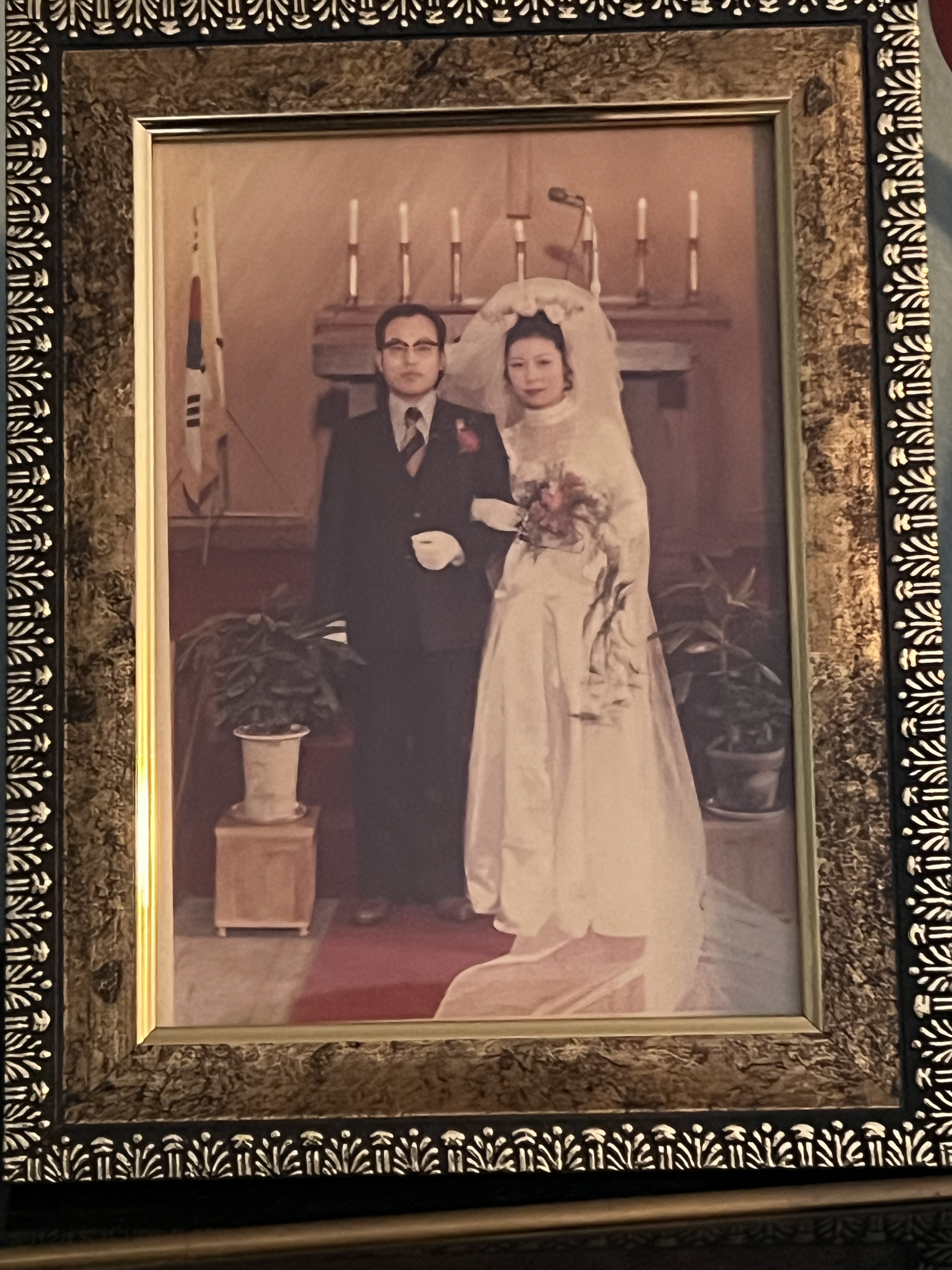
기독교는 조선조 이래 유교적 가부장제 질서 속에서 신음하던 한국 여성들에게 있어서 일정 부분 해방의 계기를 마련해 주었다. 앞에서 문일평이 지적했듯이 기독교의 전래는 여성에 대한 성차별을 타파하는 데 큰 기여를 하였다. 그러나 이러한 기독교는 해방적 측면 못지않게 사회전반에 흡수되어 있는 가부장작 지배질서를 한국교회에 굴속시킨 비판적 측면도 있다. 이렇게 한국 기독교가 여성을 위한 참해방의 종교가 되지 못한데는 근본주의 신학에 입각, 축자영감설과 성서 절대무오성을 철저하게 신봉하고 가르친 선교사들의 보수적인 성향 때문이다. 이들 선교사들은 남여 평등을 외치고 여성의 교육권을 주장했지만 여성을 보는 인식은 전통적인 서구 기독교가 가지고 있는 성차별적 인식구조 그대로였다. 이화학당의 동라이 학장은 여성교육의 목적을 ‘현모양처’에 둠으로서1 여성의 역할을 가정에만 머물게 하는 명분을 마련해 주었다. 또 스크랜튼 여사는 철저한 한국적 교육을 시킨다는 미명 아래 여성의 예의범절 등을 규제하였다.2 사실상 한쪽에서 여성의 해방이 진행되고 있었으나 반대편에서는 서구 기독교의 성차별적 요소3 와 한국의 유교적 가부장제 질서가 맞물리고 있었다. 이러한 풍토에서 한국교회에서는 성차별적 요소가 점점 강화되었다. 오히려 사회의 성차별 정책에 교회는 70-80%의 교인인 여성들의 남성에 대한 ‘예속의식’을 의식화하는데 큰목을 담당해오고 있는 실정이다.
2.교회내의 성 차별
한국교회는 지금도 그렇지만 초기부터 여성들의 수가 월등히 많았다. 남자 목사들의 수는 극히 제한된 수 였기 때문에 많은 여전도사들이 교회 부흥과 전도에 큰 공헌을 세웠다. 그럼에도 불구하고 여전도사의 봉급은 1922년 당시 남자 목사의 100원에 비해 20원 내외였다.4 뿐만 아니라 선교사들은 여전도사들이 가사일과 전도사업을 같이 하는 것에 불만, 전도부인의 자격을 가능한 한 독신 미혼 여성으로 장려하였다.5 이와같은 불평등은 오늘날에도 여전히 시행되고 있는 양상이다.
감리교의 경우 1930년에 차별근항없이 여목사제도가 허락되었으나 1972년에 와서는 결혼한 여목사의 담임권을 뺏는 성차별조항이 삽입되었다가 1990년에 이조항이 폐지되었다. 1933년 장로교 총회에서 여성들은 여장로와 여목사제도를 요구하였다. 그러나 교회는 이를 부결하여 오늘에 이르렀다. 기장의 경우는 1956년 여장로 안수, 1974년에 여목사제도가 허락되었다. 현재 58개 교단에서 7개 교단이 여목사제도를 실시하고 있으나 그나마 여목사의 역할이 보조적 차원에 머물고 있으며 교인들의 남자목사 선호 경향과 가부장적 교회구조 때문에 온전한 여목사의 목회가 힘든 실정이다. 또 많은 경우 여목사 내지 여전도사가 교회를 개척해서 키워놓으면 그 교회가 남자교역자에게 넘어가 버리는 일이 종종일어나고 있다. 또한 사례금도 오래 일한 여전도사와 신학교를 갓 졸업한 남전도사 사이에 별차이가 없고 목사와는 4분의 1에서 5분의 1까지 차이가6 나는 경우가 있으며 심방전도사라는 특수제도를 두어 여교역자의 수준을 떨어뜨리면서 저임금의 산실로 만들고 있다.
한국교회는 한국사회에서 여성을 억압해 온 가부장적 지배구조를 복음의 진리라는 이름으로 존속시켜 여성들을 정책기구에서 배제해 나갈 뿐 아니라 여성의 역할을 봉사일변도로 구성하고 있다. 여성에게 부과되는 것은 희생과 봉사로서 교회행사의 뒤치닥거리를 맡는 것이 신앙의 미덕으로 강요되고 있다.
이런 풍토 속에서 여성들의 온전한 삶을 위한 여성신학이 전개되자 ‘빨갱이보다 더 지독한 신학’이라고 몰아 부치고 있다. 1990년도 모교단 총회 배포된 여성안수에 반대하는 성명서에 보면 다음과 같은 글이 있다. ‘여성 안수를 찬성하는 것은 신사참배를 하는 것과 같다. 그러므로 교회는 여성 안수를 추진하는 자들을 신신학자들을 단죄했듯이 교회에서 추방해야 한다.’ 이 성명서는 단적으로 한국교회에서 여성이 얼마나 억압되어 있는가를 잘 지적해 주고 있다.
특히 여성해방의 상징으로 받아들여진 기독교가 여성을 억압하고 가부장적 지배질서를 기독교 진리의 이름으로 정당화하여 조장한 배경에는 선교사들이 전한 서구 기독교의 성차별 사상과 한국 유교와의 결탁이 그 근거가 됨이 드러난다.
한국역사에서 여성에 대한 성차별 현상의 원인론으로 특이한 것은 여성차별은 외세와 더불어 시작되고 고착되었다는 것이다. 그러므로 여성해방 문제는 한국인의 정체성을 찾는 주체성 문제와도 밀접한 관계가 있다. 기독교 역시 예외는 아니다. 오늘까지 이어온 교회 안에서의 여성 차별은 유교의 가부장적 전통과 미국의 근본주의 신학이 제휴한 데서 비롯한다. 즉 한국교회의 혼합주의가 여성억압의 한 원인으로 작용한 것이다. 따라서 한국교회 내에서 여성과 남성과의 평등화는 교회의 정체성 회복을 위한 하나의 길이 된다.
교회 안에서 여성이 차별을 받고 있다며는, 교리수호라는 이름으로 여성이 억압받는다면 그것은 더 이상 여성에게 복음일 수 없다. 복음은 해방복음이어야 한다. 해방복음을 전하지 못하고 여성을 억압하는 교리는 반복음적이다. 교리는 해방의 복음을 전하는 역사에 서야 한다. 그러기 위해서는 지배구조와 결탁된 가부장적 사상, 인간을 억압하는 가부장적 지배구조의 정체를 파악하고, 그것이 빚어내는 일과 싸워야 한다. 또한 교회안에 자리잡고 있는 가부장적 상황을 인식하고 남녀가 평등한 공동체가 됨으로 그 교회를 통해서 이 땅의 남녀불평등의 질곡을 해방하는 산실이 되어야 할 것이다.
3. 생성공동체로서의 교회 역할 기대
과연 한인교회는 이민 사회에 더불어 사는 공동체성의 의미와 모습을 마련해주었고, 도덕서의 기초를 제공해 주었는가? 기초를 제공해 주지 못함으로 인해 발생되는 결과는 바로 교회의 공동체성의 상실이다. 교회가 공동체성을 상실하고 이익사회의 모습을 닮아간다면 교회는 교회다운 모습을 상실하게 된다. 따라서 교회의 공동체성 회복은 선택의 일이 아니요 교회의 필수적인 사명이라 하겠다. 공동체성의 회복은 교회의 도덕성과 영성의 회복이 가능할 때 만이 이루어질 수 있다 하겠다. 불행하게도 한인교회는 지금까지 이러한 역할을 제대로 수행하지 못했는 것을 솔직히 고백할 수 밖에 없다고 하겠다. 여기에는 몇가지 이유가 있을 것이다.
1) 교회의 무책임한 이기주의
첫째 특히 한인교회는 사회의 해체와 도덕성의 위기에 직면해서도 구태의연하게 개인구원 문제와 교회 성장 문제에만 집착해 왔다. 개인 구원이나 교회성장이 꼭 필요한 것이기는 하지만 모든 관심과 노력을 그것들에만 쏟는다면 이미 이민 한인교회는 더불어 사는 공동체가 아니라 우리만 사는 우리만의 의 공동체가 되어 버리고 마는 것이다. 교회 밖의 사회 문제에는 무관심해져 버린 교회는 자체내의 부조리와 부도덕에도 무관심해져 버리는 위험한 지경에 이르고 만다. 모순과 부조리 , 부정과 불의로 차 있는 세상으로부터 도피하여 편안히 구원이 보장을 받고 축복을 누릴 수 있는 안전한 구원방주로 피신하는 것으로 자족하는 것을 이상적인 기독교 신앙으로 이해하고 가르치고 있음은 매우 위험한 성서해석이요 신학이요 신앙인 것이다.
왜냐하면 하등종교(SHAMANISM)일수록 도덕과 윤리의 개념과 적용이 없기 때문이다. 공동체의 개념은 전혀없고 다만 개인의 병 나음과 서낭당 신의 축복으로 아들을 낳고, 신령님의 축복으로 사업이 일어나고 사고를 미연에 방지해주고 등등으로 이여진다. 세상의 비윤리의 문제 즉 이웃과 더불어 살 수 없게 만드는 이기적인 요소를 제거할 책임을 망각하고, 또한 그 능력을 상실해버린 교회의 모습 속에서는 그리스도의 모습을 찾을 수가 없다. 이것이 바로 세상으로부터의 교회의 소외된 모습인 것이다. 이러한 교회의 침묵 형태(MODE OF MUTENESS)는 지나친 주관주의(SUBJECTIVISM)에 빠지는 유혹에 걸려든다.7 따라서 나 만(ONLY ME, US)을 주장하는 이기주의(SELFISHNESS) 성향이 짙어지고, 끝내는 극대화된 자신(EXAGERATED SELF)속에 갇혀 종국에는 철저한 소외(疎外) 속으로 빠져들어 가는 것이다. 따라서 오늘의 교회는 철저히 하나님 앞의 진실한 대화의 장으로 나와야 할 것이다. 그렇지 않으면 계속해서 물량적으로 하나님 처럼 되여보려던 바벨탑의 백성이 될 것이다.
둘째 이민교회는 너무도 고상한 하늘 신앙에만 집착하는 경향이 있다. 믿음 만이 강조되고 신앙인 되는 일에만 관심을 가졌다. 하나님과의 관계 만이 신앙의 척도로 여겨졌다. 너무 높은 곳에만 의지하고, 생각을 거룩한 것에만 두는 가운데 이 세상은 너무도 살벌해지고 너무도 썩어져 가고 있다. 사랑의 실천이 없는 믿음, 생활 속에서 구체적으로 결실을 맺지 못하는 신앙, 이웃에 대한 책임으로 이어지지 못하는 수직적 신앙, 이것이 오늘날 이민 한인교회의 도덕성 붕괴와 공동체성 위기에 대하여 방관하게 만들었던 것이다. 따라서 하나님을 위해서 가정을 희생하고, 직장과 사업을 희생하고, 하나님을 위해서 교회를 가르고, 하나님을 위해서 사람을 해하는 것을 기쁨으로 할 수 있게 되는 위험에 빠져 있는 것이 현실이다.
교인들에게 기도하는 법, 성경읽는 법, 묵상하는 법, 예배하는 방법, 헌금하는 방법, 교회출석 해야하는 이유등을 신앙의 척도로 가르쳐 왔던 반면, 가정 학교 직장 지역사회에서 더불어 사는 삶을 위하여 사랑과 신뢰의 실천적 삶의 자세를 충분히 연습하지 못한 교회는 그 고상함과 거룩함이 결국 이민사회 속에서 맛을 잃은 소금과 같은 교회 현실의 단면을 잘 드러낸다고 하겠다. 이는 사회문제로 인해서 교인과 교회가 희생을 당할 때 나타나는 분노에서 알 수 있다. 분노를 하되 결국 자신의 죄로 돌리고 자기비판(SELF-CRITICISM)을 함으로 교회와 사회가 가지고 있는 분노의 감정을 보상감정 즉 하나님 앞에 기도 함으로 풀고 만다. 하나님이 인간에게 맡겨준 책임을 다시 하나님께 돌리는 무책임이요 권리 포기인 것이다. 분노를 다시 하나님께 맏기는 보상심리는 교회의 또 다른 침묵 형태(MODE OF MUTENESS)로서 철저히 하나님께 모든 것을 맡기는 극단의 객관주의(OBJECTIVISM)에 빠진 것을 말한다.8 이러한 교회는 오지 하나님 제일 주의(ONLY GOD)의 무조건 복종(SUBMISSIVENESS) 유혹에 빠져서 자신을 희생한 하나님 극대화(EXAGERTED GOD)로 인해서 자기 분열을 일으키고 끝내는 자신이 무시당한 것 때문에 종국에는 극도의 분노(忿怒)에 빠지게 된다.
이 모든 경우의 공통점은 극심한 소외이든 근심한 분노든 그 중심에 모두 대화의 상실 즉 말을 잃은 모습이다. 삶이 침묵으로 인도된다. 삶이 마르고 죽음에 이른다. 하나님과 교제는 대화가 이기주의 나 무조건 복종으로 인해서 대화가 손상 당했을 때에는 이루어 질 수가 없다. 진실한 대화는 교통을 성립시키고 일치의 교제를 만들어 화해는 이루어지는 것이다.
이러한 오해는 St. Bernard of Clairvax9 의 사랑의 4 단계를 이해하면 극단적인 하나님 중심에서 벗어나리라 본다. (1) 자신을 위한 자신의 사랑, (2) 자신을 위한 하나님의 사랑, (3) 하나님을 위한 하나님의 사랑, (4) 하나님을 위한 자신의 사랑. 사랑의 제 4 단계에 이르는 것은 철저한 자기부정을 거친 후여서 나의 사랑은 더 이상 개인 자신이 아니고 모든 인간과 자연을 통합한 나가되는 것이다. 진정한 하나님을 향한 사랑과 이기주의적 신앙을 떠날 수있는 길은 하나님 제일주의로되 그 하나님 영광을 위한 사랑은 내 이웃을 향한 관심과 행동으로 이어져야 한다는 것이다. 예수님이 니고데모에게 영생을 위해서 한가지가 더 필요하다고 했는데 그것은 그의 재산을 팔아서 없는자에게 나누어 주는 것이다. 예수의 제시는 부자 청년이 가난한자가 되는 것이 아니요 부자 청년이 간난한 자도 부자의 한 형제요 확대된 자신이라는 것을 깨달으라는 것이라고 본다. 진정한 공동체 형성을 제시한 것이다.
2) 이민 교회의 세속적 물질주의와 거대주의 모순
실제 현실로 나타나는 현상은 그토록 거룩성, 고상함, 여성을 강조하는 교회 역시 이 세상의 세속적 가치의 지배를 받고 있다는 사실이다. 즉 물질주의 가치관이 교회안에 들어와 있다는 것이다. 모든 성공과 출세의 척도를 물질로 삼고, 교인들의 신앙 정도를 물질(소유 상태와 현금 정도)로 평가하고, 신앙의 축복이 물질이란 용어로 환원되고 있는 교회 분위기가 얼마나 많이 확산되고 있는가? 또한 이 세상적인 성공 제일주의, 과소비와 사치 풍조가 교회 안에 만연하고 있는 것도 사실이 아닌가? 재벌왕국을 닮아 개 교회 왕국이 되어가고 있는 교회가 늘고 있으며, 정치적 파벌 싸움 못지 않게 종교적 파벌 싸움이 그치지 않는 것도 현실이 아닌가? 독립교회를 자처하는 교회가 늘지 않는가? 연합사업에 힘을 합하기가 얼마나 쉬운가? 대 사회를 향한 교회의 연합사업은 얼마나 되며, 이를 향한 교회의 태도는 어떠한가? 개체교회의 물량적인 혹은 개체교회의 교인의 기호에 맛는 사업 혹은 개체교회의 부흥을 위한 일 이외에 얼마나 더불어 사는 훈련을 교회 자체에서 훈련하고 있는가? 더나아가서 사회내에서 교회가 연합하여 더불어 사는 공동체 삶을 보여주고 있는가? 그토록 영적인 가치, 정신적인 가치를 말로는 외치면서도 실제로는 물질적 가치, 세속적 가치, 그리고 체제 혹은 개인의 가치에 만 집착하는 모순을 안고 있는 교회의 모습에서 마냥 악화되어 가고 있는 이 세상의 공동체성 붕괴를 교회내에서도 목격하고 있는 실정이다.
3) 교회 만이 공동체 회복을 위한 보루
공동체성 회복을 위하여 더불어 사는 삶의 지혜를 보여 주기 위하여 교회는 무엇을 할 수 있는가? 이제는 실천 해야한다. 훈련해야한다. 참된 신앙은 신앙적 사회인, 사회적 신앙인 이어야 함을 일깨워 주어야 한다. 특히 여성에 대한 차별에 남성의 의식하, 여성자신의 의식화로 사회가 갖고 있는 뿌리 깊은 통념을 바꾸는 일에 교회가 앞장서야 할 것이다. 그리고 주어진 일에 최선을 다하는 청지기가 될 수 있도록 계속 변형연습을 게을리해서는 않될 것이다.
더불어 사는 삶 그것은 기독교의 사랑의 원리이다. 그것은 세속적 생활과 단절되어 있는 추상적이고 이상적인 삶이 아니다. 우리가 일상생활 속에서 쉽게 접하게 되는 사람들과의 관계 속에서, 일들 가운데서 실천될 수 있는 삶인 것이다. 더불어 사는 삶은 공동체를 살리는 일이고 도덕과 윤리를 그리스도 안에서 회복하는 일이다.
4. 성차별에 대항하는 생성동동체
많은 현대의 여성 운동가들에게는 가정내의 남성의 폭행에 대한 여성들의 대응이 사랑과 양육이라는 여성의 특유의 가치로 삼고 주장하는 것으로 만족하지 않는다. 이러한 여성들의 자질들을 주장하는 것 자체가 여성을 소심하고 허약하게 만드는 여성의 사회화 과정에서 나오는 잘못된 의식화의 결과라는 것이다. 여성들이 억압을 받아 수동적인 ‘보호를 받는 여성’이 되여 있는 현재 사회의 질서 속에서는 결코 평화를 위해서 일하는 평등의 관계를 이룰 수가 없는 것이다. 여성을 보호한다는 차별적인 사회구조는 가정에서 남성의 폭력을 묵인하고 용납한다. 그러므로 여성들을 위한 첫 단계는 이러한 공포의 족쇄와 자기비하의 의식을 던져버리는 일이다. 여성 운동가들은 설사 대부분의 여성들이 남성들 보다 체구가 빈약하다 하더라도 그것이 곧 남성들의 제멋대로된 공격의 희생물이 되어야 하는 것은 아니라고 지적해왔다.
남성들 간에도 신체적인 조건이 다양함에도 불구하고 작업장에서의 차별이 없지 않은가? 여성의 신체적인 조건이 인간대우의 차별 조건이 되어서는 않되는 것이다. 여성도 군사훈련을 받는다면 그 자신을 수 많은 여러 상황들 속에서 방어하도록 준비할 수 있다. 공격전선에서 남성이 두려움으로 떨고 있을 때 여성병사가 여성 특유의 희생적 자세로 죽음을 각오하고 진격하여 다른 병사들에게 사기를 주는 경우가 있는 것이다, 그 좋은 예가 John of the Ark인 것이다. 오늘에 와서는 스위스나 이스라엘 여성들의 국가방어에 참여하는 모습에서 찾을 수가 있다. 그러한 훈련을 받은 여성들이 얻는 최고의 소들은 자기존중 의식이다. 그들은 공격의 가능성 앞에서 더 이상 무려감을 느끼지 않는다. 그들은 자신들을 현재 이끌어 가는 바로 이같은 방식안에서 자기들이 더 이상 쉽게 먹어 치울 수 있는 방법이 아니라는 것을 남성세계를 향해 알리게 된다.
비록 여성운동가들이 남성의 폭행을 막아 볼수 있는 새로운 자기 존중의식을 얻고자 하더라도, 남성의 공격적 폭력과의 경쟁을 향해 온갖 방법을 동원하려는 사람은 사실상 거의 없다. 오히려 그들은 인간 자아의 새로운 모형을 찾고 있는데, 그것은 타인의 침략적인 비인간화와 공포로 인한 묵인 및 개인적 혹은 집단적 폭력의 지원 모두를 초월할 수도 있을 그런 것이다. 어떤 여성운동가들에게는 이러한 생각이 비폭력 그 자체의 이상을 채워주는 새로운 방법을 제시한다. 그것은 수동적 태도로서가 아니라 다른 사람의 인간성을 부정하기 보다는 오히려 긍정하기에 이르는 폭력과 불의에 대한 용감한 저항으로서이다.
진정한 비폭력은 무엇보다도 먼저 그 자신의 가치에 대한 확실한 깨달음 위에 서지 않으면 안된다. 남을 향한 폭력행사는 결코 자기 존재가치의 표현일 수가 없으며, 타인을 향한 적개심으로 곧 변화되어 버리는 자기 허약성의 압박감 위에 기초해 있는 것이다. 가장 격렬한 남성들이 그들 자신의 무능력에 대하여 가장 깊은 두려움을 갖는 사람들이다. 비폭력 훈련은 정신적 혹은 인격적 발전과 자기에의 능력부여에 기초하지 않으면 안된다. 능력이 부여된 자기는 그 자신의 타락이나 다른 사람이 타락을 용납하지 않을 것이다.
모든 누르는 자는 반 그리스도인(ANTI-CHTIST)이 될 수 밖에 없다. 왜냐하면 우리가 믿는 그리스도는 모든 누르는 자의 압제에서 눌린 자들을 자유롭게 하시려는 분(누가복음 4:18)이시기 때문이다. 의식적 무의식적으로 여성을 차별하는 논리 안에 갇혀 있는 이들은 남성 뿐 아니라 여성들도 포함이 된다. 그러므로 오늘의 기독교 신앙은 우리의 사회 속에서 그리고 교회 속에서 성차별의 문화에 감염된 이들을 하루 속히 치유해야 하는 사명을 가지고 있는 것이다. 억압하는 아버지, 남편, 동료, 성직자에서 거듭나야 한다. 그래야만이 우리가 평화를 위하여, 조국통일을 위하여 그리고 세계평화를 위하여 일하는 그리스도인이 될 수 있을 것이기 때문이다.
이 점에서 여성차별을 대항해서 싸우는 일이 평화를 이루는 일과 새로운 결합을 촉진 가능케 한다. 여성운동은 근본적으로 지배와 복종이라는 힘의 원리를 거부하는 운동이다, 그것은 한편의 승리는 반드시 다른 평의 패배가 되어서 끊임없는 전쟁의 근거를 마련하는 승리와 패배의 개념을 거부한다. 여성운동은 남녀간의 개인관계 속에서의 경쟁으로부터, 국제간의 경쟁에 이르는 모든 힘의 원리를 바탕으로 하는 사회구조에 대하여 문제를 제기한다. 오히려 공동체 안에서 동등한 자격을 부여하는 또 다른 평등의 힘을 추구한다. 공동체 속의 동등자격을 주는 일은 근본적인 생명 상호 관계성 즉 남성과 여성, 우월감과 열등감, 모든 인종들, 인간과 자연, 물과 공기 등의 모든 관계에 대한 인식위에 기초하는 것이다. 모든 사람이 이기지 못하면 아무도 이기지 못한다는 것이 원칙으로 선다. 전쟁도발은 한편 이 지구 그 자체의 파멸인 모두의 패망을 가져오는 파괴성향을 의미한다는 것을 인식하기에 이르렀다. 오늘날의 여성운동은 인간 생존의 근거와 지구 자체의 생존이 연결되어 있다는 사실을 절감해야할 것이다. 공동체 생활 속에서 다른 사람들에게 이득을 주기를 바라는 자아의식에로의 전환은 전통적인 남성들 뿐 만 아니라 전통적인 여성들까지도 개혁시킬 것이 틀림없다.
생성공동체를 향한 변형연습은 따라서 여성운동과 평화운동을 하는 것이라 본다. 대화의 장을 만들고 평등한 입장에서 대화를 시작할 때 신체적으로는 과거와 같은 공동체라도 그 내용에 있어서는 전혀 새로운 생명(관계)를 생성해내는 공동체가 이미 되였다는 말이다. 이것이 변형연습으로 이는 전혀 새로운 것이 될 수가 없다. 이미 급진적인 성격이 기독교라면 오래전 부터 이를 공급해왔던 것이다. 진정한 자아와 공동체의 또 다른 소망에 뿌리를 내림을 말한다. 이 소망은 우리가 한 하나님과 하나의 지구와 한 부모의 후손들이며, 하나의 상호 의존적인 생활 공동체의 부분임을 분명히 할 것을 촉구한다.
이러한 기초 위에서 우리는 인간을 가난하게 하고, 타락시키거나, 좇아냄으로써, 몇몇의 소수의 사람만을 위한 부와 특권을 만들어 가는 모든 사회제도들을 반대하지 않으면 안된다. 그러한 제도들이 여성을 억압하거나 지배하는 것들이든 또는 경쟁력을 바탕으로 한 안보를 향한 헛된 추구로 핵에 의한 파멸을 추구하는 제도들이든 그것은 마찬 가지다. 이와같은 또 다른 소망 위에서 만 남성과 여성은 합하여 이 지구를 생성할 수 있다고 본다.
5. 생명 공동체의 실례 하나
하나의 예로는 화해와 나눔의 도리를 실행하는 ‘떼제 공동체’이다.10 떼제 공동체는 1940년 스위스로 부터 동부 프랑스 리용에서 110 Km 떨어진 한 작은 언덕, 가난하고 버려진 마을의 언덕, ‘떼제’에 들어 온 한 젊은이, 개신교의 목사의 아들인 ‘로제’에 의해서 시작이 되였다. 이제는 25개국의 90여명에 달하는 사람들이 이 공동체의 기본을 이룬다. 이중에는 천주교, 성공회, 장로교, 루터교, 감리교, 침례교등의 교인들을 포함하고 있다. 이들은 하나같이 신앙배경은 다르나 떼제 형제와 뜻을 같이해서 ‘일치적인 공동체 안에서 함께 살것’을 서약하고 독신으로 살아가고 있다. 가지고 있는 모든 것 즉 물질적인 것이든 소질이든 모두 함께 나누며 형제애적인 사랑으로 하나가 되여있다. 초대교회의 모습 그대로 살아가는 것이다. “저희가 사도의 가르침을 받아 서로 교제하며 떡을 떼며 기도하기를 전혀 힘쓰니라 사람마다 두려워하는데 사도들로 인하여 기사와 표적이 많이 나타나니 믿는 사람이 다 함께 있어 모든 물건을 서로 통용하고 또 재산과 소유를 팔아 각 사람의 필요를 따라 나눠주고 날마다 마음을 같이 하여 성전에 모이기를 힘쓰고 집에서 떡을 떼며 기쁨과 순전한 마음으로 음식을 먹고 하나님을 찬미하며 또 온 백성에게 칭송을 받으니 주께서 구원받는 사람을 날마다 더하게 하시니라.”(사도행전 2:42-47)
그들은 아침 정오와 저녁으로 하루 세번씩 함께 기도하며, 각자의 일터에서 생계를 위해 일한다. 연구하는 사람, 저술을 하는 사람, 가르치는 사람, 다양한 형태의 영성적 상담과 지도등을 수행하는 사람도 있다. 이스라엘의 ‘기브츠’ 공동체나 한국의 ‘사랑의 공동체’와 다른 것이 독신 남자로 살아 간다는 것이 큰 차이라고 보겠다.
적은 차이들을 보면, 대부분의 떼제 형제들은 떼제에 살지만, 세계 각지의 작은 공동체에서 수개월 혹은 여러해 동안 머무는 형제들도 있다. 그러나 흩어져 있는 형제들도 결국은 하나의 공동체의 일원이다. 그들은 가난과 고통의 현장에 동참하기 위해서 세계 각지의 다른 곳에 머무르고 있는 것 뿐이다. 이는 또한 세계의 교회들을 격려하는 일로 연결이 되고 있다. 하나님을 찾는 사람들, 그리스도를 본 받으려는 사람들은 언제나 환영을 받는다. 떼제는 기도하기 위하여 찾는 곳이다. 떼제 마을은 오늘날 세계 각국의 사람들이 서로 만나는 장소가 되어가고 있다. 떼제의 교회는 이제 화해의 교회라고 불리워지고 있다. 떼제 공동체에 몇 주간 참여하도록 하기 위해 젊은 그리스도인들이 보내여지고 있고, 몇 주 후에는 유럽의 교회로 가서 그리스도인들과 함께 신앙생활을 마치고 본국으로 돌아가고 있다.
가난한 자, 고통받는 자는 떼제에서 언제나 특별한 환영을 받는다. 떼제의 초창기였던 제 2 차 세계대전 중에 로제 수사는 나치에서 피해온 유대인과 도망자들을 기꺼이 받아들였다. 그 후에도 그는 전쟁 중에 가족과 헤어지게 된 아이들을 받아들여 떼제에서 성장시켰다. 프랑스로 온 유럽 국가들의 실직한 노동자들, 스페인이나 포르투칼에서 온 이주 노동자들의 가족도 역시 환영을 받았다. 10여년전 베트남에서 탈출한 ‘보트피플’ 중 명몇 사람들도 그 마을에 정착했다. 적어도 일년에 한 차례씩, 로제 수사 자신도 하이티나 캘커타의 극빈자 촌, 혹은 이티오피아나 몰리타나의 기아에 허덕이는 현장에 가서 산다고 한다.
떼제 공동체의 특징을 간추려보면, (1) 공동체는 오직 신뢰 안에서 만 가능하며, 신뢰하는 마음에서 우러 나오는 용서가 공동체를 의미한다. (2) 그리스도적인 삶을 추구한다. 열린 마음으로 하나님의 사랑에 대한 비밀을 깨닫기 원한다. 감정주의나 교파주의에 관심이 있는 것이 아니라, 그들의 삶을 변화시킬 신앙에 모든 관심이 있는 것이다. 인간들 사이에서 인간으로 살았던 그리스도를 추구하며 살기를 원한다. (3) 각자가 자기 고향으로 돌아간다. 떼제에 머무는 동안에 각자는 공동체의 형제들로부터 그리스도인으로서의 삶과 신앙의 기초적인 면모에 대하여, 기도와 용서와 성경과 하나님에 대하여, 소박한 이야기를 듣게 된다. 또 혼자서 묵상에 잠기며 과거를 돌아보는 시간을 갖는다. 서로의 고통과 투쟁과 소망에 대한 각자의 구체적인 경험을 함께 나눈다. 그리고 함께 기도하고 함께 찬송한다. 그리고 그들은 각자의 고향으로 돌아가 그들의 지역 교회 공동체에 몸을 담고 신앙생활과 더불어 지역사회에 봉사한다. 이렇게 삶의 연속성 속에 참다운 소망이 열린다. 그리스도 속에 발견된 새로운 삶의 변화가 징역 공동체 속에 변화로 나타나기를 바란다.
이들은 떼제라는 이름을 사용하기를 거부한다. 그들이 관심하는 것은 복음, 그리스도, 교회, 사랑, 봉사, 기도, 그리고 믿음일 뿐이다. 각자가 일상 생활 속에서, 더불어 갈고 있는 지역사회와 이웃 속에서, 일터에서, 학교에서, 가족들 사이에서, 이러한 덕목들을 구현 함으로 화해의 공동체를 이루려는 그리스도의 삶들을 말한다.
1988년 가을 유네스코의 평화를 위한 교육 봉사상을 수상한 바 있는 떼제 공동체는 사실 학교가 아니다. 그러나 분열된 세상에서 믿음을 추구하고자 하는 사람들이 세계 각처에서 모여들어 믿음으로 교류할 때 떼제는 분명 학교가 되는 것이다. 만일 그리스도인이 그들의 사회와 일터 그리고 학교에서 신뢰의 효소 역할을 해내지 못하면 과연 누가 그 일을 이 시대 속에서 할 수 있을까?
떼제 공동체와 같은 의식화로 자신의 정체성을 찾아 치유를 받은 인간이 서로 모여 대화하는 평등의 공동체를 이룬 것이 교회이며, 교회는 사회를 공동체로 변화 시키는 자원봉사로 생명 공동체가 되는 것이다. 이러므로 교회는 비로서 옛 교회 자리와 건물 그리고 옛 사람이라도 새로운 교회를 날마다 생성이 되는 것이다. 이 작업은 온 세상이 하나님의 다스림인 자유 평등 사랑으로 완성을 이루는 날까지 영원한 연습으로 그리스도인의 삶 속에 남아있다
[주]
1. 이우정, 기독교 여성 백년의 발자취, (서울: 민중사, 1985), p. 35.
2. Ibid., p.35.
3. 제 6 장 p. 145에서 살펴본 “평등을 향한 여성의 어려움” 참조
4. Ibid., p. 67.
5. Ibid., p. 69.
6. 한국여신학자협의회, 한국 여교역자 실태조사, 1989.
7. Brueggemann, Walter, Finally Comes the Poet, (Minneapolis: Fortress Press, 1989), pp. 44-49.
8. Ibid.
9. 필자의 출판되지 않은 연구 논문 “The Mysticism of St. Bernard of Clairvaux” (Madison: Drew University, 1982)으로 부터 인용 소개한다.: Bernard of Clairvaux (1090-1153 A.D.), who was a son of the lord of Fontaines-les-Dijon in Burgundy, entered the New Monastery at Citeaux in 1112. He brought with him some thirty companions, more than doubling the community. Only four years later, he was chosen to lead a new foundation which was called Clairvaux(1115). Largely because of Bernard’s influence, the Cistercians were to possess 343 houses all over Europe by his death in 1153. But Bernard was not the leader of this new wave of monastic reform, he became the leader of Europe in the first half of the twelfth century. Bernard’s influence on his own time was so great that we tend to identify him with the age in which he lived, as well as identify his age with him, so that many have spoken of the ‘Age of Saint Bernard’. Cf.
1). Bernard de Clairvaux, Saint Bernard on the Love of God, Tran. Terence L. Connolly, (Westminster: The Newman Press, 1951),
2). ________, The Steps of Humility, Trans. George Bosworth Burch, (Notre Dame: Univ. of Norte Dame Press, 1963)
3). William, Watkin W., Saint Bernard of Clairvaux, (Manchester: Manchester Univ. Press, 1952),
4). Luddy, Ailbe John, Life of Saint Bernard, (Dublin: Browne & Nolan, 1963),
5). James, Bruno Scott, Saint Bernard of Clairvaux, (New York: Harper & Brothers, 1957), 6. CAT taut, Georges, Saint Bernard of Clairvaux, Tr. Ena Dargan, (Dublin: Clonmore & Reynolds, 1966).
10. 이순임 역, “떼제 공동체” – 새로운 공동체 운동의 전망, 기독교 사상, (서울: 대한기독교서회, 1989년 5월호), pp. 47-53.
Martin Luther believed that the image of God referred to the original righteousness of humanity. Accordingly, Adam, who bore this image, knew God and lived a fully devout and humanized sexual life. However, with the fall of humankind, this concept of humanized sexuality was distorted. That is, the concept of reproductive sex—rooted in the Creator’s intention for equal proliferation—was transformed into dehumanized secular sex or ungodly commercial sex.
Due to this shift in consciousness and the exploitation of it by certain individuals, a dynamic of subordination arose between the sexes. This consciousness of subordination eventually manifested as a contradiction—where relatively privileged but flawed humans began to oppress other, relatively weakened, human persons.
As a result, men, who had taken economic, cultural, and environmental initiative, developed their own exclusive culture and ideology. Women were enslaved or commodified, and were subordinated to an artificially constructed patriarchal society. Domestic violence and prostitution—products of this subordinating ideology—are clearly real, pressing issues of our time, and they are undoubtedly our own issues to confront.
In this context, the present reality calls Christians to break down the walls that separate faith from society. We are called to encounter the marginalized—the ὄχλος (ochlos), the ‘am-haaretz’—and establish religion in the actual lived experiences of the alienated. To fulfill this calling, we must ask: What should we do? What structural contradictions hinder us? How can we design a missional project amid these contradictions? And how can we engage in more effective ministry?
Therefore, our concern and mission is this: How can we restore true humanity and rehumanize society in a dehumanized world?
1. The Justice of the Patriarchal Concept
The concept of patriarchy is often the most opposed idea among feminist liberation thinkers. The term originates from Greek and literally means “the rule of the father.” However, this is not a concept invented by feminist thinkers—it existed before. Even Jesus’ prayer includes this idea: “Our Father who art in heaven…”
Adrienne Rich 1 gives a detailed explanation of patriarchy:
“Patriarchy is the power of men. It is an ideological-political system where men determine what women should and should not do—through power, coercion, tradition, law, etiquette, and education. Under patriarchy, women may live behind veils, drive trucks, serve coffee to husbands every morning, or attend university graduations. Regardless of age, status, or economic class, women live under male dominance. Only when women pay the necessary price to gain male approval do they receive privileges and influence within the narrow bounds patriarchy allows.”
Kate Millett 2 puts it more simply:
“In our society, all roads to power are entirely in male hands.”
From this perspective, any society in which men exercise control over women is patriarchal. 3
Socialist liberationists describe patriarchy with these key features 4:
It encompasses the totality of social relations of male dominance and female subordination.
It exists across all societies and modes of production.
It is a hierarchical system in which men are empowered to dominate and reproduce male control.
It transcends class, creating solidarity among men.
Its relationship with modes of production (or class relations) is interpreted differently depending on the feminist theory (liberal, Marxist, radical).
Still, there’s a risk in over-conceptualizing. True feminism should move beyond humanism to a theocentric view, focused on restoring the humanity given equally in God’s original creation.
Thus, patriarchal ideology may be seen as ideological conservatism that seeks to preserve one sex’s superiority over another.
To overcome the dehumanization of human community through gender discrimination, we need collective consciousness between men and women. To begin, we must ask:
How do we understand ourselves and the world in our daily lives?
How have our identities been formed?
Why do we see the world the way we do?
H. Richard Niebuhr’s words help guide us:
“The knowledge of self depends on recognizing that we are social, interdependent selves seeking our place in a multicultural world.”
2. The Will to Reform Gender Discrimination
Current gender discrimination continues to deny women justice, equality, and freedom. That is, women are not granted equal opportunities to participate in society and are treated as outsiders.
We must help oppressed women participate in the discourse that reveals the reality of this oppression. Many women internalize societal norms that oppress them and even reject other women as a result. They become “outsider-insiders”—alienated from the mainstream, yet carrying complex internal contradictions that make them complicit in the very oppression they suffer.
These outsider-insider dynamics can legitimize oppression. Outsiders see that societal norms support unjust structures. Yet, with their religious, historical, and cultural experiences, they can reinterpret norms and forge new understandings that bring about genuine freedom and equality.
This attempt to reinterpret culture is undoubtedly difficult. Peter Berger points out that religion has often served to support oppressive social structures.5 However, on the other hand, religion also challenges these very structures, affirming that before God, all social constructs are merely human inventions.
Berger describes this dual role of religion as both a world-maintaining force and a world-shaking force. Religion maintains stability because of God’s unchanging nature, yet it also challenges oppressive systems, driving reform and justice. Still, we must beware of self-deception—blindly following the idea of a “predetermined path” as if it were divinely ordained.
The humanization of women is the humanization of men, and both are essential for the liberation of all humanity. When balance is lost, reform must take the lead.
3. Difficulties for Women in Pursuit of Equality
Here, I would like to present three dominant narratives that society traditionally holds about women. The following is a summary of Roger G. Betsworth’s analysis 6: In American society, women are commonly perceived in three archetypal roles:
Helpmeet (内助者)
Inferior being (Women’s Sphere)
Romancer
All three serve as representations of the “virtuous woman” and function to maintain male dominance by legitimizing female subordination. A “good woman” is expected to be a helpmeet, uphold her inferior status, and satisfy men’s romantic and sexual expectations.
1) Viewing women as helpmeets
During America’s colonial period under English rule and the influence of Puritan beliefs, a woman’s role was that of a “helpmeet”—God‑given partner to support her husband. The term “helpmeet” commonly referred to having been taken from Adam’s rib. At Puritan wedding sermons, ministers often stressed: 7
“Our ribs were not ordained to rule, not made as heads to declare superiority, but to be taken from his side so he may live as an equal partner.”
A good man regarded his wife as a companion and helper in sharing life’s burdens, and a virtuous woman revered her husband as her head.
However, note that this supposed “equality” implied equality in labor, not in status. Women were expected to milk cows, go to market, weave cloth, sew, store grain, and engage in barter. Their domain was the household, which served as the economic center. They typically bore eight children, trained them in morality, and led pious lives. Women also cared for the sick, orphans, and the poor sent to their homes for respectability, and maintained the household’s ties to the church. Despite fulfilling public and economic responsibilities, being companions in marriage, and caring for church and community, women lacked basic rights: they couldn’t vote, speak publicly, teach or preach in church, or own property.
Nevertheless, colonial women embraced some idea of equality, inspired by Paul’s letters to the Galatians. They noted Titus’s allowance for female teachers, and recognized the presence of female prophets in Corinth and women figures in the Hebrew Bible. This tension existed between Puritan beliefs about women and scriptural interpretations.
As H. Richard Niebuhr wrote in The Meaning of Revelation: 8
“Our past is our present, in our conscious and unconscious memories… Understanding that past‑present is understanding ourselves, upon which we build our lives.”
Uncovering historical examples and mindsets of gender discrimination in Korea contributes to this study by providing context and awareness.
In Korea, where Confucius’s dictum—“Do not educate women or petty people”—was accepted as moral truth, women were regarded as little more than domestic animals, valued only for two functions: bearing sons and managing household affairs. Women were not allowed to possess intellectual capacity, emotional depth, or moral discernment. In fact, an ideal woman was expected to be as sensorially numb as possible—unable to see, hear, or even feel.
In the past, during wedding ceremonies, brides would have honey smeared on their eyelids to glue them shut, preventing them from seeing. Their ears were plugged with cotton, and a jujube seed was placed in their mouth to be bitten down on—measures symbolizing that they were not to listen, speak, or smile. Such customs epitomized the cultural ideal of rendering women into inert, voiceless objects. In the early Goryeo period, women were even referred to by the term saenggu (生口), a word denoting beings that were living yet subhuman.
Yi Gyutae investigated this term and noted:
“The word ‘saenggu’ most appropriately describes a living creature traded like cattle or horses. It marks a transitional phase in humanism, bridging animal and human. In China, the term originally referred to livestock such as cows, horses, and sheep. Over time, it came to denote not just animals but also degraded humans who were sold purely for their labor, forming a category that included humans, cows, and horses. In the historical texts such as the Book of Wei’s section on Goguryeo, the term appears repeatedly, indicating that over time, its meaning shifted from ‘human, cow, and horse’ to simply ‘a degraded human subject to trade.’” 9
This implies a horrifying cultural assumption: that women, too, were regarded as nothing more than useful livestock. The perception of women in Korean history remained stagnant at this level for centuries. Just as it would have been considered absurd to teach cows or horses to read, so too was the idea of educating women considered ludicrous. Women were valued most highly when they were uneducated, unthinking, and docile—akin to a well-behaved ox.
Patriarchy, as both a social structure and moral ideology, externally reinforced the animalization of women, while simultaneously fostering internalized acceptance of that identity among women themselves. In other words, women were not only turned into household slaves but were also trained to embrace that role. In traditional Korea, girls were essentially students being groomed for servitude within the domestic sphere.
By the age of ten, girls were taught to read basic Korean script (eonmun) and memorize Confucian moral codes such as the Samgang haengsil do (Illustrated Guide to the Three Bonds). In autumn and winter, they spun thread; in spring and summer, they cultivated mulberry trees and raised silkworms to weave fabric. By age ten, they were confined to the inner quarters of the home, forbidden to be seen by guests. By age fourteen or fifteen, they were not to engage with merchants, nor even male relatives, unless accompanied by immediate family. During ancestral rites, women performed bows (sabae) behind screens or from half-open doors, hidden from the male participants.
These customs are documented in Sanrim Gyeongje, a book written by scholar Hong Man-seon (1664–1715) during the Joseon dynasty. Even among upper-class families, women’s education was focused primarily on moral discipline, modest literacy, and domestic skills—all reinforcing their subjugation. It was not education in the liberating sense, but a form of self-cultivation for enslavement. 10
In this context, the term saenggu referred to transitional beings—beyond animals, not yet fully human. The history of Korean girls is, in many ways, a history of saenggu, for they were often the most valuable commodities in familial exchanges.
There were five common ways girls were bought and sold:
As ritual sacrifices (saengchip): like scapegoats in the West, girls were offered to deities to appease divine wrath or ensure safe travel at sea.
As funerary offerings (sunjang): when noblemen died, young girls were purchased and buried alive with them. In Buyeo, it is recorded that 100 girls were entombed with a single aristocrat.
As political currency: girls were sold through slave documents (nobi mun-gwon) to purchase governmental positions.
As legal substitutes: daughters were handed over to the authorities in exchange for leniency on a father’s criminal sentence. A well-known case is Bae Jeong-ja, a girl sold to a state brothel to save her father from punishment.
As tax: in some regions, girls were offered as human taxes.
In Northern provinces, daughters were even more prized than sons. Sons were entered into military registries and conscripted for labor or military service. Girls, on the other hand, could be sold to southern merchants at a good price, making them more economically valuable to struggling households.
One of the most widely accepted frameworks for women’s conduct in Joseon was the Chilgeojiak (Seven Grounds for Divorce), as cited in Sanrim Gyeongje: disobedience to in-laws, infertility, adultery, jealousy, chronic illness, theft, and excessive talkativeness. These were considered legitimate grounds for a husband to expel his wife. Of these, jealousy—though natural to human emotion—was particularly condemned. In Gyenyeoseo (Instructions for Women), the scholar Song Si-yeol taught that a woman must never show jealousy, even if her husband took a hundred concubines. She must treat his lovers with courtesy and never express anger.
Alongside Gyenyeoseo, other instructional texts such as Naehun (Domestic Teachings), Yeollyeojun (Biographies of Chaste Women), and Yogyomyeonggam (Mirror of Female Teachings) were commonly taught to girls. These books upheld the Three Obediences (to father, husband, and son), and the Five Moral Relations. In 1481, Samgang Haengsil and Yeollyeodo (Portraits of Chaste Women) were published in Korean and distributed to women across the country. In 1523, Sohak was also translated and disseminated. During the reign of King Injo, Oryun-ga (Songs of the Five Moral Duties) became popular among women, and in the 7th year of King Sukjong, Gyeongminpyeon was written to further regulate women’s behavior.11
The establishment of Soongui Girls’ School in Pyongyang—founded by Pastor Lee Gil-ham in a traditional tile-roofed house—marked a shift. The Methodist Church founded Bae Hwa School in 1898, initiated by Mrs. Dr. Reed with two female and three male students in a home-tutoring setting. Jung Hwa School began in 1908 in Gaeseong with seven students. On April 28 of the same year, Dongdeok School opened in a small room of a thatched-roof house in Seoul with six girls. The first female student of Ewha Haktang, Mrs. Kim, studied only English, while the second, Boksoon, studied only the Bible.
It wasn’t until 1889—three years after its founding—that Ewha offered basic literacy in Korean, writing, composition, and letter writing. By 1891, music and organ lessons were added, and in 1892, home economics became part of the curriculum. However, these early schools often perpetuated traditional gender ideologies, reproducing rather than challenging patriarchal norms.
Some schools even included books like Women’s Codes of Conduct by Kwon Soon-gu, which compiled lessons traditionally taught to girls in inner chambers. These included: 12
Serving one’s in-laws
Maintaining harmony with in-laws and siblings
Avoiding jealousy
Accepting poverty with grace
Loving the son of a husband’s former wife
Preserving chastity
Avenging the deaths of one’s parents
Interestingly, the Gospel of Mark—the earliest written Gospel—portrays male disciples as failures while highlighting the faithfulness of female followers. All Synoptic Gospels affirm that women were the first witnesses of the resurrection, though the male disciples initially denied their testimony. Luke’s Gospel also emphasizes the active presence of female disciples during Jesus’s public ministry. Paul’s letters frequently acknowledge the contributions of female leaders in the early church’s missionary work.
Elisabeth Schüssler Fiorenza points out that the early Christian movement must have held significant appeal for women, in light of Jesus’ radical teachings in Mark 10:43–44: “Whoever wants to become great among you must be your servant, and whoever wants to be first must be the slave of all.” Likewise, Paul’s declaration in Galatians 3:28—“There is neither Jew nor Greek, slave nor free, male nor female, for you are all one in Christ Jesus”—represents a stark challenge to patriarchal norms.
It is therefore evident that the hierarchical, patriarchal structure of the early church—and its theological justification—constituted a form of self-deception, inconsistent with the teachings and example of Jesus Christ.
2) Seeing women as an inferior status makes equal partnership impossible
Take the example of “Borittei-gi”, 버리떼기 13 —names given to abandoned baby girls. In Korean, “son” (男) often generically denotes “child”; a boy was considered the default. Girls, in Nietzsche’s words, were seen as “superfluous,” and in Sartre’s terms, as “sacrificial.” The very language reflected female inferiority.
For example:
On Siheung’s Suam Mountain, tradition recorded that when families gave birth to girls, mothers would abandon the newborns at a hill called “Bleeding Pass” to appease a local spirit, hoping that the next child would be a boy.14
On the southern coast, newborn girls were left on the doorstep of a large family and then taken in by women promised to have many sons—this practice became normalized, and the girls were named “Borittei.”
At a Myeongdong orphanage established in 1881, a Catholic sister noted that nearly all the women’s orphans were girls, abandoned at night, sometimes four per night, averaging over 100 per year. 15
A family‑education textbook published in 1914 by Namgung‑eok, a Korean enlightenment figure, began with chapters titled “How to Serve Parents‑in‑Law” and “How to Serve One’s Husband,” reflecting overt gender bias. 16
Thus, a woman’s identity was often considered purely a support to the success of a man. As democratic ideals spread, they undermined Puritan patriarchal beliefs, but women were still valued primarily for purity, piety, love, and sacrifice—all traits celebrated within relationships to men. A woman was evaluated less as an individual and more as a mother and wife—the “image of bread-giver.” In essence, she was seen as a shadow, not a person.
At the 1856 women’s rights convention, Susan B. Anthony posed critical questions:
How can theology justify a woman being treated as a victim of someone else’s decisions?
How can society tolerate oppressive customs stripping women of dignity and modesty?
While marriage is a structure created by men and inherited unfairly by women, Anthony urged that marriages should be equal contractual partnerships. The phrase “separate but equal” was used to dominate women—while separated, they were never truly equal, as men defined their roles and identities.
3) Seeing women as romantic dreamers rather than equals
Sociologists today describe modern women as sophisticated, trustworthy, and capable. Yet this image of happiness still ties a woman’s identity to romance. A “complete woman” is pictured as participating in golf, PTA, or little league with her husband, and maintaining a comfortable marital bedroom. A wife is a companion and sexual partner.
Yet this comes at the cost of loneliness and isolation. When a woman’s identity is defined by others—husband or children—she can never truly grow. Her sense of self is biologically determined rather than rooted in God‑given human worth. Women must discover their own paths to identity.
On the topic of abortion, theologian Beverly Wildung Harrison asked in 1983:
“Who controls the power of reproducing the species?”
In patriarchal society, men have historically held that power. Today, women are awakening to the reality that the moral issue is not abortion itself, but childbirth and who has authority over it.
As H. Richard Niebuhr noted:
“I am social; the fundamental form of the social self is face‑to‑face in community, where unrestricted commitments shape rules, and the full range of my existence is determined by membership.”
In patriarchal society, the image of woman-as-person is overshadowed by the enduring position of woman-as-outsider.
4) The “four complaints” of women from the 1930s era – a case of discrimination 17
Up to the 1930s, educated women were not viewed as social assets—they were outsiders. The era’s “four complaints” about educated women explain this bias:
They were useless.
They were wasteful pleasure-seekers.
They were arrogant.
They didn’t want to bear children.
A common saying was: “They’re not like potatoes—you can’t pull them up easily.” In surveys of male high-school graduates, only 18% preferred wives educated in girls’ schools—the rest cited parental expectations and fears of family conflict, often attributing it to the women not wanting to bear children. This distrust and social pressure caused emotional suffering. Some women reacted via runaway escapes (akin to Nora in A Doll’s House), prostitution, or even suicide. In 1928, 23% of suicides among women were graduates of girls’ schools—a horrific ratio, highlighting the pain of conflicting identities among educated women.
5) Discovering love beyond biology and roles
Unicellular organisms reproduce asexually, without sex. Biologist Jean Rostand discovered an affectionate mating behavior in freshwater protozoa: two unicellular creatures fuse, exchange cellular contents, then separate. It isn’t sexual reproduction—but an act of bonding, purification, and mutual respect. Rostand argued for acknowledging love beyond reproduction.
Korean women historically lived under strict norms forbidding expressions of affection—not to husband, nor even to children. Apart from childbirth, all sexuality was taboo—and that taboo was praised as female virtue.
Human history is marked by oppression through domination. Yet sexuality between sexes has been twisted and used to oppress. Many women—especially from colonized nations or dual-culture families—have endured sexual violence and coercion. The time has come to address the plight of Korean women drawn into prostitution and sex tourism. It’s a severe social pathology born of deep-rooted gender discrimination.
4. The Comfort Women under Japanese Imperial Rule
The institutionalization of prostitution in Korea began in earnest under Japanese imperialism. In 1916, the Japanese colonial government issued the Regulations for the Control of Licensed Brothel Business and Prostitutes, leading to the establishment of licensed brothels (public brothel system, or 公娼制度) across the country and the legalization of prostitution. In Confucian Korea, where such acts were culturally taboo, fierce resistance movements emerged to abolish this system, which was viewed as a colonial policy to erode Korean national culture. However, these efforts were brutally suppressed by Japanese authorities. Thus, Japanese imperialism was deeply complicit in the prostitution of Korean women.
After the outbreak of the Second Sino-Japanese War in 1937 and until Japan’s defeat in the Pacific War, the tragedy of unmarried Korean women reached a peak. From early to late 1938, the Japanese mobilized government-approved matchmakers to lure Korean women with false promises, ultimately forcing them into sexual slavery for Japanese soldiers on the Chinese mainland. It is estimated that 30,000 to 40,000 Korean women were deceived and coerced in this manner.
By 1941, quotas were assigned to each village for the recruitment of comfort women. In that year alone, around 10,000 Korean women were forced into sexual slavery under threat and deception by the Japanese Governor-General’s office to serve troops stationed along the border with Manchuria. The total number of Korean women forcibly taken under the name of “voluntary service corps” (정신대/挺身隊) is estimated to be around 200,000, of whom approximately 50,000 to 70,000 were exploited as “comfort women.”
After launching the Pacific War on December 8, 1941, Japan initially saw a string of victories, advancing into the Malay Peninsula and Burma. However, from late 1942, they began retreating under Allied counterattacks. During this period, all Japanese military units deployed to the southern front maintained comfort stations. Beginning in 1942, women were publicly forced into service under the name of the “Women’s Volunteer Labor Corps,” and by August 1944, under the so-called “Women’s Volunteer Labor Act,” they were legally conscripted through state power. 18
The author of Military Comfort Women includes testimonies from Korean women who were dragged into military camps as laundry workers and later forced into sexual slavery. One survivor reported that even during air raids, sexual violence occurred in air-raid shelters. At the Gogo-po Comfort Station in Rabaul, on the western part of New Britain Island near New Guinea, a single comfort woman was reportedly made to serve up to 90 Japanese soldiers in a single day.
As the Japanese army retreated, they abandoned these women, who were left to die from disease and starvation. In some cases, even if captured, the women were massacred by Japanese troops to cover up the crimes. Most horrifying is the fact that the Japanese military systematically destroyed nearly all records related to the “comfort women” to conceal the atrocities. Both perpetrators and victims have often refused to publicly disclose the truth, making it extremely difficult to fully investigate what happened.
Because these crimes were never subjected to historical judgment, contemporary imperialists continue to exploit Korean women through various forms of sexual violence—such as so-called “kisaeng tourism” (기생관광)—thus perpetuating a modern, economic version of the “comfort women” system.
5. Self-Abuse Among Women
A representative example of women abusing other women is seen in the traditional conflict between mothers-in-law and daughters-in-law. It is commonly assumed across many societies that such conflict is universal, but not every household experiences it to the same degree. In some families, the situation becomes so severe that it results in either the daughter-in-law being forced to leave the household or the mother-in-law moving in with another son. This intra-familial abuse by women against other women is a shadow that remains in Korean modern history and reflects a deep-rooted psychological imprint that must be acknowledged and addressed through intentional reflection and training.
In the patriarchal Korean society, women were educated to accept male dominance, especially among upper-class families (yangban). It was often the mother-in-law who took sole responsibility for training the daughter-in-law, often through severe mistreatment. The resentment felt by daughters-in-law toward their mothers-in-law only intensified over time and, after the death of the mother-in-law, that resentment was often redirected to the next daughter-in-law, continuing the cycle. 19
There is even a traditional saying that the degree of a daughter-in-law’s hatred toward her mother-in-law could be measured by how quickly the fire poker (used in the kitchen hearth) wore down from use. The faster it wore down, the more intense the daughter-in-law’s hatred was thought to be. In elite households, daughters were taught before marriage never to burn the fire poker too quickly—a custom rooted in this very idea.
Thus, the deeply ingrained issue of abusive relations between mothers-in-law and daughters-in-law is a prime example of how women can perpetuate abuse against other women. The human rights of daughters-in-law were often sacrificed under Confucian traditions such as “once married, no longer part of her birth family” (출가외인) and “respect for elders” (장유유서). This issue must be addressed through women’s self-awareness and consciousness-raising.
However, such consciousness-raising among women cannot be achieved without the cooperation and basic understanding of men regarding women’s human rights. Therefore, the education and awareness of men must also precede or accompany efforts toward women’s liberation.
[Notes]
Adrienne Rich, Of Woman Born: Motherhood as Experience and Institution (New York: W.W. Norton, 1976), pp. 57–58.
Kate Millett, Sexual Politics (New York: Avon Books, 1971), p. 25.
Hester Eisenstein, Contemporary Feminist Thought, trans. Han Jung-ja, Modern Feminist Thought (Seoul: Ewha Womans University Press, 1986), p. 42.
Linda Burnham and Miriam Louie, A Marxist Critique of Socialist Feminism, trans. Kim Hye-kyung and Kim Ae-ryeong, in Issues in Feminist Liberation Theory (Seoul: Taeam Publishing, 1989), pp. 151–152.
Peter L. Berger, The Sacred Canopy (Garden City, NY: Doubleday, Anchor Books, 1969), pp. 3–51.
Roger G. Betsworth, Social Ethics: An Examination of American Moral Traditions (Louisville, KY: John Knox Press, 1990).
Rosemary Skinner Keller, “New England Women: Ideology and Experience in First-Generation Puritanism (1630–1650),” in Ruether and Keller, eds., Women and Religion in America, vol. 2, pp. 132–192; Mary P. Ryan, Womanhood in America, p. 4.
Archie Smith, Jr., The Relational Self: Ethics and Therapy from a Black Church Perspective (Nashville: Abingdon Press, 1982), p. 79.
Lee Kyu-tae, The Structure of Korean Women’s Consciousness, vol. 2: Women’s Liberation and the Enlightenment Period (Seoul: Shinwon Munhwasa, 1993), p. 60. Note: The word saeng-gu (생구) originated in ancient China to refer to useful livestock such as cows, horses, and sheep. When adopted into Korean usage, it extended to include women, grouping them with beasts of burden.
Ibid., vol. 1: Saeng-gu or Human Being?, pp. 69–70.
Ibid., pp. 71–72.
Ibid., pp. 85–88.
Ibid., vol. 2: Women’s Liberation and the Enlightenment Period, pp. 30–31, 14–15.
Ibid., pp. 14–18.
Ibid., p. 17.
Ibid., vol. 1: Saeng-gu or Human Being?, p. 116.
Ibid., vol. 1: Saeng-gu or Human Being?, pp. 131–134.
Women’s Volunteer Corps under Japanese Rule, EYC Women’s Resources, 1982.
Martin Luther는 하나님의 형상이란 인간 본래의 의 또는 최초의 의(ORIGINAL RIGHTEOUSNESS)라고 생각하였다. 그래서 이러한 형상을 가진 아담은 하나님을 알았고, 완전히 경건되고 인간화된 성(性)의 삶을 살았다. 그러나 이러한 인간화된 성의 개념이 인간의 타락과 더불어 변하고 말았다. 즉 창조주 고유의 개념인 평등적 번성의 성(REPRODUCTION SEX)이 비 인간화된 세속적 성(SECULAR SEX) 혹은 비경건적인 성 즉 산업적 성(COMMERCIAL SEX)으로 바뀌어 버렸다. 이런 의식의 변화와 이런 의식을 잘못 사용하려는 사람으로 말미암아 두개의 성 가운데에는 소위 종속주의가 생기게 되었고, 이런 종속의식은 급기야 상대적으로 기득권을 잡은 불완전한 인간이 상대적으로 약화된 하나의 인격을 억압하는 모순으로 표출되고 말았다.
결국 경제적, 문화적, 환경적 선두(INITIATIVE)를 잡은 남성은 그들 만의 문화와 그들 만의 사상을 창조해 내었고, 여성들을 노예화 혹은 상품화 시켰으며 또한 인위적으로 만든 가부장적 이념 사회에 예속시켜 버렸다. 따라서 이런 예속이념 사회에서 파생된 전형적인 피해 소산인 가정 폭력과 윤락은 분명 우리의 현실 문제이며 우리 자신의 문제 임에 틀림없다.
결국 현실은 소외된 민중(οκλοζ, AMHAARETZ)을 향하여 우리들에게 기독교 신앙이 사회와의 막힌 장벽을 헐어 버리고 서로의 만남을 통하여 소외된 사람들의 삶의 현장 속에서 종교가 올바르게 세워질 수 있도록 최선을 다해야 한다는 사명을 부여하였다. 이런 사명을 완수하기 위해서 이제 우리들은 무엇을 어떻게 하여야 하며, 이에 대한 어떠한 구조적 모순이 우리들을 가로막고 있는가를 생각해야 하고 그리고 이러한 모순 속에서 선교적 프로젝트를 어떻게 세울 수 있으며, 어떻게 하면 보다 효과적인 목회를 할 수 있는가를 연구해야 한다. 그러므로 이러한 비인간화된 사회에서 바른 인간성의 회복과 인간화 작업은 어떻게 이룰 수 있는가 하는 것이 우리의 관심이며 과제이다.
1. 가부장적 개념의 정의
가부장적(家父長的)이란 개념은 여성해방 운동가들에 있어서는 가장 적대시되는 개념이다. 이는 헬라어에 어원을 두고 있는데 직역하면, “아버지만의 지배”를 뜻한다. 그러나 이 개념이 여성해방론자들의 고유의 창조적 개념은 아니다. 그 전에도 이러한 개념은 이미 사용되고 있었다. 예수 그리스도께서 가르쳐 주신 기도문에도 이개념을 포함되어 있다. “하늘에 계신 우리 아버지…”
Adrienne Rich 1 는 가부장제를 보다더 자세히 설명해 주고 있는데,
“가부장제란 남성의 권력을 의미한다. 다시말하면 가부장적이란 남성이 – 힘이나 직접적인 압력을 사용함으로써 혹은 의식이나 전통, 법률, 습관, 예절, 교육 등을 통해 – 여성의 할 일이 무엇이며, 해서는 안되는 것이 무엇인가를 결정하고 남성 아래에 흡수되어야 한다고 주장하는 사상적 정치체제이다. 가부장제하에서 여성은 휘장 안에서 살 수도 있고, 트럭을 몰 수도 있다. 아니면 원주민 마을의 진흙담집에 살면서 이른 아침마다 남편에게 커피를 대접 할 수도 있고, 대학 졸업식 행렬에 참가할 수도 있다. 여성은 나이나 지위나 상황이 어떻하든 또한 자신에게 허락된 경제적 계급이나 선호도가 어떠하든 여성은 남성의 지배에 살게된다. 가부장제하에서의 여성은 남성의 승인을 얻는데 필요한 댓가를 치룰 때 만, 가부장제가 여성에게 허락한 범위 내에서만 특권을 누리고 영향력을 행사할 뿐이다.”라고 정의 했다.
Kate Millett 2 는 보다더 간략하게 표현하고 있는데, “우리 사회에서 권력으로 가는 모든 길이 전적으로 남성의 수중에 달려있다”는 것을 가부장적 사상이라고 정의 했다.
이런 관점에서 보면 남성이 여성에 대한 통제권을 행사하고 있는 사회는 전부 가부장적 사회(Patriarchy Society)라고 볼 수 있다. 3
사회주의 해방론자들이 동의하는 가부장제의 특징들을 보면,4 (1) 가부장제라는 범주는 남성지배, 여성종속의 사회관계의 총체성을 표현하는 것으로 이해된다. (2) 가부장제는 일반적으로 현존하는 모든 사회와 생산양식 속에서 존재해 온 것으로 인식된다. (3) 가부장제는 위계의 체계이며 그 속에서 여성에 대한 지배를 획득하고 재생산할 수 있도록 남성에게 권력과 통제력이 부여된다. (4) 가부장제는 계급을 초월하여 남성들간의 연대를 만들어 내고 동시에 그것에 의해 유지된다. (5) 가부장제와 생산양식 간의 (또는 가부장적 관계와 계급 관계간의) 관계는 사회주의 여성해방론들마다 각기 약간씩 다르게 설정된다. 이 말에 대한 반대적 개념으로 자유주의적 여성주의, 마르크스적 여성주의, 급진적 여성주의등이 있으나 이것 역시 개념화할 염려가 있다. 진정한 여성주의자는 인본주의적 사고 보다는 인간성 회복을 위해서 신 중심적(THEOCENTRIC)의 사고를 할 필요가 있다. 왜냐하면 본래의 창조 섭리는 동등성이 부여된 인간화에 중점이 있었기 때문이다.
결국 가부장적 이념이란 하나의 성(性)이 다른 하나의 성보다 상대적으로 우월성을 강조하기 위해 자신만의 문화를 고수 하려는 이념적 보수주의를 말한다고 볼 수 있다.
여성차별로 비롯되는 인간 공동체의 비인간화를 극복하기 위해서는 남녀 공동 의식화가 필요로 한다. 이를 위하여 우리는 먼저 다음과 같은 질문을 던지며 우리의 여정을 시작해야 할 것이다: (1) 우리의 삶 속에서 자신과 세계를 어떻게 이해할 것인가? (2) 우리의 존재가 어떻게 형성되여 왔는가? (3) 우리가 세상을 보듯이 왜 우리가 세상을 보는가? 라는 기본적인 질문에 대한 추구에서 출발한다.
다음과 같은 H. Richard Niebuhr의 말은 우리의 나아가야할 방향을 잘 설명해주고 있다하겠다. “자신을 아는 지식은 다문화적 요구속에 자신의 결속을 추구하는 우리가 사회적이고, 의존적 자신들이라는 것을 인식함에 의존한다.”
2. 성차별에 대한 개혁의지
현재 사용되고 있는 성차별주의는 대부분의 사람들에 의해서, 여성을 향한 정의, 평등, 그리고 자유를 계속해서 거절하고 있다. 다시 말하면 여성들의 사회참여에 충분한 기회를 부여하지 아니하고 문외한(門外漢, THE OUTSIDER)으로 취급을 하고 있는 것이다.
억압 받는 여성들로 하여금 이러한 억압의 실체에 대한 이야기에 참여토록 해야할 것이다. 왜냐하면 대부분의 여성들이 여성들을 억압하고 있는 일반 사회의 통념을 받아 같은 여성들을 배척하는 경우도 있는데 그들의 한 걸음 더 나아가, 문외한이면서도 내부인(內部人, THE INSIDER)라는 복합성을 띄우게 된다. 이러한 문외한-내부인 (THE OUTSIDER-INSIDER)의 특이한 복합적인 메세지가 여성들에게 억압을 정당화하도록 만들고 만다. 왜냐하면 문외한은 일반 사회통념이 억압과 정의롭지 못한 사회 질서를 유지하며 후원하고 있다는 사실을 볼 수가 있기 때문이다. 그리고 이러한 문외한은 그들이 가지고 있는 종교, 역사, 그리고 문화의 경험으로 이루어진 이야기로 새롭게 통념을 형성해서 진정한 자유와 평등이 모든 사람에게 이루어질 수 있게 하려는 의지가 있다.
이렇듯 문화에 대한 새로운 설명시도는 대단히 어려운 일임에는 틀림이 없다. Peter Berger는 지적하기를 일반적으로 종교적인 전통은 억압하는 사회 구조를 후원하고 있는 것이 일반적이라는 것이다.5 그러나 한편으로는 하나님 앞에서의 사회 구조는 단지 인간의 조작에 불과함을 인정하고 억압의 구조임을 밝히며 정의와 평화의 세계의 탄생을 위한 새로운 도전에 임하기도 한다. 그래서 Berger는 말하기를 이는 세계유지의 힘(A WORLD-MAINTAINING FORCE)과 세계개혁의 힘(A WORLD- SHAKING FORCE)이라고 종교를 일컽고 있다. 종교가 세계유지의 힘이란 변함없으신 하나님이 세상을 변함없이 유지하시기 때문에 인간이 이에 적응하도록 노력해야함을 말한다. 그러나 이러한 종교는 자신을 속이는(SELF-DECEPTION) 구조가 세계개혁의 힘이 되는 것도 하나님이 이루시는 ‘정해진 길’이라는 맹종의 위험에 빠지는 길을 마련하고 있음을 주지해야한다. 여성의 인간화는 남성의 인간화가 되며, 인간자체의 해방이되는 것으로 개혁의 힘과 유지의 힘이 규형을 이루게 됨을 발한다. 그러나 균형이 깨진 상태를 모를 때에는 개혁의 힘이 그 역할 감당의 시작을 해야한다.
3. 평등을 향한 여성의 어려움
여기서 사회가 통념적으로 가지고 있는 세가지 이야기를 나누고자 한다. 다음은 Roger G. Betsworth의 이야기를 요약한 것이다.6 미국사회에서 여성을 통념적으로 다음 세가지로 본다: (1) 내조자(內助者, HELPMEET), (2) 열등한 신분(WOMEN’S SPHERE), (3) 공상가 (ROMANCER). 이 세가지 모두가 “선량한 여성”을 대표하고 있다. 즉 남성지배 사회내에서 자신의 이득을 유지하기 위한 방법으로 사용된 이야기들이다. 모두 여성의 남성에 대한 종속(SUBJUGATION)을 정당화하고 있다. 착한 여성은 내조자라야 하며, 여성의 차별적 지위를 지켜야하고, 남성의 욕구에 따라 낭만적 성적 상대자가 되여 충족 시킬 때에 일컫는 용어가 된다.
1) 내조자로서 여성을 보기 때문이다.
미국이 영국의 식민지로 있을 때, 청교도적인 신앙 (THE PURITAN)이 지배할 때며 이 당시의 여성이란 “내조자”로 통하던 사회였다. 식민지 경제사회를 위하여 하나님이 주신 동역자라는 말이다. 내조자라는 말은 흔히 “아담의 갈비뼈”라는 말을 의미했다. 청교도들의 결혼식장에서 목사는 흔히 설교를 다음과 같이 한다. “우리의 갈비뼈는 지배자가 되도록 안수받은 것이 아닙니다. 우월을 선언하도록 머리로 만드시지 않으셨습니다. 다만 동등하게 살게하시려고 옆구리에서 꺼내셨습니다.” 선량한 남자는 아내를 그의 짐을 함께 나누는 동반자나 내조자로 여겼다. 그리고 선량한 여성은 그의 남편을 항상 모든 것에 그녀의 머리로서 거룩히 존경했다.7
여기서 내조자에게 “평등”이란 일의 동등이지 지위의 동등이 아니다. 여인들은 젖을 짜고, 시장을 보고, 옷감을 만들고, 바느질과 재봉질을 하고, 곡물을 보관하고, 물물교환을 해야했다. 가정은 경제생산을 위해서 중심지였다. 보통 아이들을 평균 여덟을 낳고, 아이들에 대한 사람됨의 훈련과 교육 그리고 경건 생활에 대한 책임을 져야했다. 더우기 경찰들이 과부나 고아 그리고 가난한 사람들을 발견할 경우, 사회에서 존경 받는 가정으로 보내면 그들도 돌보아야 했다. 그리고 교회에서는 여성에 교회의 생명을 유지는 살림살이를 기대했다. 아픈 사람들 찾아주고, 가난한 이들을 돌보고, 초상집을 후원하는 등, 여성은 교회와 진정한 가족으로 묶여 있었다. 이렇듯이 공공의 선과 경제성장의 동반자요 더 나아가서 결혼의 친구로서의 책임을 다함에도 불구하고, 그들은 투표를 할 수 없었고 공공 장소에서 자신의 의견을 말할 수 없었고 교회에서 가르치거나 설교를 할 수 없었을 뿐 아니라, 재산을 소유할 수 있는 권리가 없었다.
식민지 시대의 여성들은 자신들을 “종속자”(SUBORDINTION)로 보았음에도 불구하고 사도바울의 갈라디아인들에게 말한 평등에 대한 주제를 시도했다. 디도서에 나타난 여성의 가르칠 수 있는 권리를 말했고, 고린도인들 가운데서의 여성 예언자들처럼 구약의 여성들을 인식하기 시작했다.이것은 청교도적인 여성 이해와 성서의 진정한 해석 사이에 끼여 있는 사실들이다.
H. Richard Niebuhr은 그의 저서, The Meaning of Revelation 에서 “우리의 과거는 우리의 의식과 무의식의 기억속에 있는 우리의 현재이다. 그리고 그러한 과거의 현재를 이해하는 것은 한 인간의 자신을 이해하는 것인데, 이러한 이해를 통해서 다시 삶을 건축해 나가는 것을 말한다.”8 한국의 과거 역사속에 숨겨진 여성차별의 사례들과 의식을 살펴보는 것이 본 연구에 이바지되리라 본다.
‘여자와 소인은 가르쳐서는 안된다’는 공자의 말씀을 철리로 받아들인 우리나라에서는 여자는 아들을 낳아 주고 살림을 한다는 두 개의 쓸모 이외에는 가축이나 다를 것이 없이 다루어 졌었다. 여자는 사고력이나 판단력이 있어도 안되고 감성이나 지성이 있어도 안 되었다. 심지어 보고 듣고 숨쉬는 감각마저도 마비된 상태의 여자를 훌륭한 여자로 알기까지 하였다. 옛날 시집갈 때 신부들은 눈에 꿀을 발랐다. 눈꺼풀이 맞붙어 앞을 볼 수 없게끔 하기 위해서였다. 그리고 목화솜으로 귀를 틀어 막고 입에는 대추씨 한 알을 넣어 어금니로 물고 있게 하였다. 듣지도 말고 또 말하지도 웃지도 말라는 무생물화의 습속인 것이다. 그리하여 고려 초기 때만 해도 여자는 생구(生口)라는 야릇한 말로 불리우기까지 하였다. 이규태는 생구에 대하여 다음과 같이 조사보고하고 있다.
“생구란 말은 소나 말처럼 매매되는 생물로서의 인간을 표현하는 가장 적격의 명사랄 것이다. 동물→생구→인간으로 개화해 온 휴머니즘의 과도적 중간 상황인 것이다. 중국에서 생구란 말은 소, 말, 양 같은 가축을 뜻하였다. 그 후 차츰 가축 가운데도 쓸모가 많은 소와 말에 국한되었다가 노동력의 가치만으로 매매되는 천한 인간까지 포함되어 사람, 말, 소를 통칭하는 보통명사로 쓰였다. 그 후, <위서> 고구려전에 기록 된 생구, 같은 책 왜전에 기록된 생구, 고구려 광개토대왕 비문에 적혀 있는 생구, 그리고<삼국사기> 신라 진흥왕조의 화랑 사다함이 ‘그 생구를 받아 놓아 줌으로써 양인(良人)이 되게 했다’는 기록등은 생구란 뜻이 ‘사람, 소, 말’에서 소와 말이 탈락하고 ‘매매되는 천한 사람’이란 뜻으로 전해왔음을 알 수가 있다.” 9
즉 여자도 그같은 유용한 가축에 지나지 않는다는 기막힌 인식인 것이다. 사실 그 후의 우리나라 역사는 생구로서의 여자의 인식에서 조금도 발전되지 않았던 것이다. 아마 소나 말에게 글을 가르친다는 것이 우스웠듯이 여자에게 글을 가르친다는 것도 그만큼 우스웠을 것이다. 여자는 무식하고 감각이 없는, 그리하여 부리면 부리는 대로 움직이는 한 마리 양순한 소로서 만이 가장 큰 가치를 누렸었다. 가부장제도는 제도나 윤리나 도의 같은 바깥 작용으로 여자를 소로 만드는 한편 여자 자신이 가정의 우리 속에서 스스로가 소가 되게끔 안으로 부터의 작용도 병행시켰다. 바꿔말하면, 우리 옛날 여성들은 가정의 소나 노예가 되기 위한 학생이였다. 계집아이 열 살 안으로 언문을 익히게 하여 삼강행실을 가르치고 이로써 여자가 옳게 사는 길임을 알리며 가을과 겨울에는 물레를 돌리고 봄과 여름에는 뽕누에를 쳐 베를 짜 입도록 가르쳐야 한다. 계집아이 열 살에 이르면 안방에 두어 바깥 나들이를 못하게 하고 또 바깥 손님의 눈에 띄지 않도록 숨겨 두어야 한다. 그리고 나이 열네댓 살에 이르면 비녀 반지 패물 파는 노파와의 접촉을 금해야 한다. 부모 형제가 같이 앉은 자리가 아니면 가까운 친척일지라도 이성의 사나이와는 같은 방에 있지 못하게 하고 삼촌이나 조카일지라도 자리를 피하도록 해야 한다. 제사를 지낼 때 부인들은 병풍으로 남자들로 부터 가리고 신위를 향해 사배(四拜)를 하거나 그저 제청 쪽으로 난 안방문을 조금만 열어 놓고 사배를 해야 한다. 이상은 조선 숙종 때 학자인 홍만선(1664-1715)이 쓴 산림경제란 책 속에 씌어 있는 여자 교육론이다. 이것은 보편적인 초등교육이고 중류 이상 가문에서는 언문력을 기초로 하여 약간의 고등교육을 시킨다. 이것은 수신교육과 독서교육, 그리고 생활교육 세 부분으로 나눌 수 있으나 이 역시 여자를 가정에 묶어매며 남성의 노예화하는 수신교육일 뿐이다.10
짐승 이후요 인간 이전의 과도적 인간을 생구라 불렀던 것이다. 한국의 소녀사는 어느 만큼은 생구사이다. 소녀는 여자의 일생에서 매매하는데 가장 값이 비싼 재물이었기 때문이다. 소녀가 사고 팔리는 경우가 많다. 첫째, 생칩이라 하여 서양의 속죄양처럼 신의 노여움을 가라앉히는 제물로서, 신단에서 죽음을 당하기 위하여 팔려간다. 뱃 사람들의 풍속으로 위태로운 여울목이나 심한 풍운에 생칩한다는 기록은 많다. 둘째, 순장(殉葬)이라 하여 옛 귀인들이 죽었을 때 산 소녀들을 사서 함께 묻는 풍속도 있었다. 부여에서는 한 귀인이 죽어 묻는데 1백명의 생사람의 소녀를 묻었다는 기록이 있다. 셋째, 소녀는 관직을 사는 좋은 돈이기도 했다. 노비문권(奴婢文券)으로 벼슬을 흥정하기도 했다. 넷째, 죄를 면하기 위해 딸을 바치기도 했다. 한말 풍운기에 유명했던 배정자도 아버지가 지은 죄를 면하기 위해 밀양의 관기안(官妓案)에 팔렸던 가엾은 소녀였다. 다섯째, 소녀를 세금으로 바치는 인신 조세 제도도 있었다.
북관지방에서는 딸을 낳으면 사내아이 보다 좋아하였다. 사내아이는 어릴 때 부터 병역인 군적(軍籍)에 올라 군포(軍布)를 물어야 하고, 자란 뒤에는 변방의 군역이나 부역에 동원되어 집일을 돌볼 수 없는데 비해, 계집아이는 웬만큼 길러 놓으면 남쪽 상인들이 와서 몸값을 주고 사가기 때문이다. 그러기에 어느 집에 남쪽 손님이 들었다면 마을 사람들이 모여 이 인신 상인을 만난 것을 축복해 주었다.
조선 숙종 때 학자인 홍만선이 쓴 산림경제란 책 가운데 여자교육론은 여성 수신론으로 그중 가장 보편적인 것이 ‘칠거지악’이다. 부모의 말을 거역하거나, 나쁜 병에 걸리거나, 도둑질을 하거나, 음탕한 짓을 하거나, 투정을 하거나, 말이 많거나, 아들이 없으면 시집간 여자는 시집에서 쫓겨날 충분한 이유가 된다는 부도(婦道)의 가르침이다. 요즈음 이혼 사유로는 이중 도둑질한 것과 음탕한 짓을 한 것 두가지 밖에 없다. 그 중 투정은 여자의 본능이요 특권인데 가장 영향력이 큰 가르침의 책이였던, 우암 송시열 선생이 쓴 여자 교과서, 계녀서 (戒女書)에는, “여자의 1백 년 앙망이 오직 지아비라 여자가 지아비 섬기는 중에 투기 아니함이 으뜸 행실이니 1백 명의 첩을 두어도 본 체 만체하고, 첩을 아무리 사랑하여도 성내지 말고 공경하여라”고 했다. 조선시대에 부녀자에게 읽기를 강요하고 또 어머니들이 가르친 교과서의 대부분은 이러한 것들이다. 그 중 대표적인 것에 계녀서 말고 내훈(內訓)이라는게 있었다. 이 책은 덕종의 비(妃) 소혜왕후가 이전부터
있었던 열녀전(烈女傳)과 여교명감(女敎明鑑), 소학(小學) 등에서 몇 대목을 따다 한글로 적은 것이다. 열녀전은 시부모나 남편이 앓으면 왼손 무명지를 짤라 그 피를 먹이고 나쁜 병이 걸리면 자신의 허벅지 살을 잘라 먹이고 또 남편이 죽으면 따라 죽는 열녀들 이야기고, 여교명감은 삼종지도(三從之道), 칠거지악, 삼강오륜 등을 적은 것이며, 소학은 여자란 10년 동안 밖에 나가서는 안된다. 옷홰에 남자 옷과 같이 걸어 놓아도 안 되고 삼촌되는 남자에게도 안부 말을 해서는 안 된다는 그런류의 남녀유별을 정해 놓은 책이다. 성종 12년에는 한글로 ‘삼강행실’, ‘열녀도’를 찍어 각도의 부녀자들에게 나누어 주어 읽게 하였다. 중종 18년에는 앞서 말한 소학을 한글로 번역해서 널리 폈다. 인조 때에는 오륜가를 지어 부녀자들 틈에 유행시켰고, 숙종 7년에는 경민편(警民編)이라 하여 부녀자들의 행실을 다잡는 책을 부녀자들로 하여금 강제로 익히도록 했다.11
숭의여학교는 평양 신양리에 있는 이길함 목사의 사택인 ㄱ자형 기와집에서 처음으로 10명의 여학생으로 학교를 시작했다. 한국의 여학교가 생겼다. 남감리 교회가 한국에 들어와 처음 세운 학교가 배화학교였다. 1898년 5월 1일에, 이 학교는 선교사인 리드 박사 부인이 두명의 여학생과 세 명의 남학생을 데리고 가정교사식으로 학교를 시작하였다. 1908년 개성 해나무골, 김정혜 여사의 자택에서 시작된 정화학교는 일곱명의 학생으로 개교하였다. 역시 같은 해 4월 28일에 개교한 동덕학교도 서울 소안동에 있던 초가지붕의 사랑채에 방 한 칸을 빌어 여섯명의 여학생으로 학교를 시작했다. 한국 최초의 여학생인 이화학당(1886)의 김부인은 영어만 배웠고, 두번째의 복순이는 성경만 배웠다. 1924년 이화학당에 중등과가 생기기까지에 교과과정이란, 첫학생이 나타난지 3년 후인 1889년에야 언문의 읽기 쓰기 작문 편지쓰기를 가르쳤고 생리학을 가르쳤다. 그 후 2년 후에 성악과 오르간을 가르쳤고, 1890년에 최초로 가사를 가르쳤다고 한다. 여기에서 관심을 가질 수 있는 것은 개화기의 학교가 여성 인원에 대한 관심보다는 기성사회의 통념을 어린 여학생들에 세습시키는 교육에 그쳤음을 알 수 있다.
일부 학교에서는 권순구씨가 지은 여자 행실록, 그리고 예날 내방에서 가르친 행실을 모아 교과의 하나로 삼기도 했다. 여자 행실록의 내용을 보면:
(1) 시아버지 시어머니 섬기는 일,
(2) 시동생 시누이와 화순할 일,
(3) 투기와 시기를 버릴 일,
(4) 가난함을 편안히 알 일,
(5) 전처의 아들을 사랑하는 일,
(6) 절개를 지키는 일,
(7) 부모의 원수를 갚는 일 등이다.12
가장 먼저 기록됐던 마가복음은 남자 제자들의 실패를 기록하면서 여 제자들의 충성스러운 모습을 담고 있다.
그리고 모든 공관 복음서가 모두 동의하는 것은 여성제자가 예수님의 부활의 첫 증이였고 남자 제자들은 이를 처음에 부정하였다. 누가복음은 예수님의 공생에에서 여성 제자들로 함께 하셨다. 바울의 서신들은 초대교회 전도운동에 여성 지도자에 대하여 자주 언급 했다.
Fiorenza가 지적하기를 초대교회운동이 여성들에게 분명 매력이 있었던 것은 예수님이 마가복음 10:43-44에서 “너희중에는 그렇지 아니하니 너희 중에 누구든지 크고자 하는 자는 너희를 섬기는 자가 되고 너희 중에 누구든지 으뜸이 되고자 하는 자는 모든 사람의 종이 되어야 하리라.” 그리고 바울 사도가 갈라디아서 3:28에서 가르치고 있기 때문이다. “너희는 유대인이나 헬라인이나 종이나 자주자나 남자나 여자 없이 다 그리스도 예수 안에서 하나이니라.” 그러므로, 가부장적인 관점을 갖고 있는 초대교회의 구조와 예수 그리스도의 삶과 교훈을 해석함이 바로 자기속임(SELF-DECEPTION)이였음이 분명하다.
2) 여성의 신분을 열등한 존재로 보기 때문에 동등할 수가 없다.
버리떼기 (여성의 이름) 13
우리나라 말에 ‘아들’은 자녀의 통칭으로 쓰인다. 통칭이면서 사내아이를 뜻한다. 이것은 불란서 말 ‘HOMME’가 인간의 통칭이면서 남자를 뜻하는 것과 같다. 즉 사람이면 남자요, 자녀면 사내이다. 여자나 계집아이는 니체가 말했듯이 군더더기요, 사르트르가 말했듯이 희생이다.
시흥 수암산 한 기슭에 ‘피흘니 고개’라는 한 마루턱이 있다. 1910년대에 채집된 한 관습 조사에 의하면 갓 낳은 아이가 딸이었을 때 산고의 아픔이 가시지 않은 산모를 업어다가 이 피흘니 고개의 성황 옆에 버려두는 버리떼기 풍습이 있었다 한다. 이 잔학한 풍습은 산모 자신이 자신을 버리는 자울적인 버리떼기 풍습으로 변해왔다 한다. 딸임을 알았을 때 산모는 산고를 무릎쓰고 야밤중에 비틀대며 이 피흘니 고개로 기어간다. 그리고 그 성황의 돌무더기에 지친 몸을 기대고 밤새도록 손을 비비며 치성을 드린다 했다. 그런 타울적인 버리떼기나 자율적인 처참한 심야의 탈주로써 다음에 낳을 아이를 아들로 보장받는 것으로 알았기 때문이다. 이 피흘니 고개는 임진왜란 때 격전지로 많은 젊은 사나이들이 피흘리고 죽어 그 넋들이 환생할 육체를 못 찾아 헤메고 있으며 이 심야의 성황 치성으로 그 한 사나이의 넋이 산문을 통해 기어들 것으로 안데서 나온 풍속이라 한다.14
남해안 지방에서는 ‘버리떼기(捨姬)’라 하여 딸을 낳으면 아들 많은 집 앞에 그 갓난애를 버렸다가 미리 약속된 다남의 여인으로 하여금 주워오게 하는 풍습이 있었다. 그렇게 버려졌던 여성의 이름은 그저 버리떼기로, 아무렇지도 않게 통용되었던 것이다. 저주받고 태어난 한국의 여자가 받는 가장 최초의 비정적 시련을 이에서 엿볼 수가 있다.
명동성당 오른편 숲속에 70여년전 고아원이 하나 있었다. 이 고아원은 임오군란이 일어나기 한 해 전인 1881년에 천주교 뮈텔 주교가 지은 것으로, 한국 최초의 고아원이다. 이 고아원은 갑신정변이 일어나던 그 이듬해에 카미르 수녀가 맡아 40여년 동안 4천명의 고아를 길러냈던 곳이다. ‘이곳에는 여자 아이 밖에 없습니다. 사내 아이들을 받아 들이지 않은 것이 아니라 한국에는 사내아이로서 고아는 희귀합니다. 버린 아이들을 맡아 기른다는 것을 알고 밤중에 어머니들이 와서 이 둔덕에 아이들을 버리고 가는데 모두가 계집아이들 뿐입니다. 많을 때는 하루에 넷도 버리며 1년 평균 1백명을 넘습니다.’ – 라고 카미르 수녀는 그이 회고기록중에서 고백하고 있다.15
한국 개화기의 선구자 중에 한 인물로 남궁억 선생을 꼽을 수가 있다. 그의 의해서 본격적인 가정학 교과서가 1914년에 여학생들을 위하여 1백 페이지 한국식으로 제본되여 발간됐다. 그러나 그 목차를 보면 남녀차별식의 교육을 강조한 것을 분명히 알 수가 있다. 그 차례를 보면, 제 1 장 시부모 섬기는 법, 제 2 장 남편 섬기는 법, 으로 시작하고 있다.16
여성의 신분은 단지 남자의 성공하는 이야기에 순응(ADAPTATION)에 불과하다. 개인의 동등한 가치를 강조하는 민주주의 신앙의 확산은 하나님이 주셨다고 믿는 가부장제도의 청교도적 개념을 침식시켜나가는데 이바지하고 있다. 여성도 여성의 성품으로 성공할 수 있다고 믿으면서, 순결, 경건, 사랑과 열정(고난)들이 있다. 이러한 덕목이 바로 여인에게는 자연스러운 것이다. 남자가 전쟁과 일과 정치의 어려움을 딛고 일어서서 성공하면 이러한 여성의 덕목이 빛을 보게된다. 그래서 여성은 자신 독립으로 평가되는 것이 아니라, 남편과 자녀들과의 관계의 성격으로 판단되여 진다. 이것을 “빵을 주는 자로서의 모습(IMAGE OF BREAD GIVER)”으로 보고 있다. 여성의 최고의 행복은 한 남자의 부인이요, 그 남편의 아이들의 어머니로서이다. 여성은 인격체가 결코 아니다. 여성은 “그림자”에 불과하다.
1856년 여성 인권 집회에서 Susan B. Anthony는 다음고 같은 질문을 던졌다. (1) 다른 사람의 의지에 의해 결정됨에 따르는 양심의 피해자로 여성을 만드는 신학을 어떻게 설명할 것인가? (2) 진정한 덕목과 위신과 고상함이 모두 벗겨져 버린 여성의 관습에 대하여 어떻게 참을 수있을까?
결혼이란 남성이 만든 기구라면 세습적으로 부인에게는 불공평한 것이다. 따라서 결혼이란 양쪽에 똑같이 혜택이 가도록 하고 동등한 삶으로 인도하도록 양쪽이 동등히 계약을 맺는 것이다. 그러나 “분리 그러나 동등”이라는 말로 여성을 지배한다. “분리 그러나 동등”이라는 여성의 지위는 분리되여 있으나 결코 동등할 수 없다. 왜냐면 여성지위에 대한 사상이 남성에 의해서 만들어졌고 또한 남성을 위해서 만들어 진 것이기 때문이다.
3) 여성을 공상가 즉 낭만적인 성에 만족하며 행복해하는 존재로 보기 때문에 동등할 수가 없다.
신 세대 여성을 사회학자들은 세련되고, 신뢰할 수 있고, 유능한 여성이라고 재형성하고 있다. 여성이 행복할 수 있는 길은 낭만적인 성의 이미지와 연결되여야 한다고 봤다. 완전한 여인은 남편과 더불어 골프와 게임과 PTA 그리고 동네 Little League에 열심히 참여하고, Master Bedroom의 안락한 부부만의 공간을 유지하면 된다. 아내로 동료로 성생활의 동반자로서의 완전한 여성의 모습이다. 그러나 다른 면에는 외로움과 고립이 있다. 그들의 정체를 스스로 정하거나 제한 했을 때 결코 성장할 수가 없다. 이러한 여성들의 정체성은 타인 즉 남편이나 자녀들에 의해서 정해지거나 제한 된 것이다. 여성의 정체성은 여기서 바로 여성의 생물학적인 조건에 의해서 결정된 것이지 결코 하나님이 창조해주신 인간의 가치에 의해서 결정된 것이 아니다. 개인은 각자의 정체성을 찾을 수 있는 길을 발견해야만 한다.
낙태문제에 대하여 Beverly Wildung Harrison이 1983년 다음과 같은 질문을 던졌다. “종의 재생산하는 힘을 누가 다스릴 것 인가?” 가부장적인 사회에서는 남자가 이 권력을 행사했다. 오늘에 상황에서 여성이 깨닫고 남성이 깨닫지 못한 것은, 성숙한 도덕 행위가 바로 낙태문제(ABORTION PROBLEM)가 아니고 오히려 해산(CHILDBEARING)에 있는 것이다.
H. Richard Niebuhr는 다음과 같이 제시하고 있다. 자신은 사회적이다; 사회적 자신의 근본적 형태는 얼굴과 얼굴을 맞댄 공동체로, 제한 없는 헌신결단들이 규칙이되고, 자신의 모든 모양이 상호연결된 구룹 속에 회원들에 의해서 형성이 되여야 한다.
가부장적인 사회에서의 인격자로서의 여성(IMAGE OF WOMAN-AS- PERSON)은 아직도 문외한으로서의 여성(THE END OF WOMAN-AS-OUTSIDER)으로 이용하는 목적이 된다.
1930년대 까지만 해도 여학생은 가정이나 사회의 좋은 요소로써 받아들여지진 않았다. 결국 여학생은 문외한(THE OUTSIDER)였다. 그 당시 보편적으로 사람들의 입에 오르내리던 ‘학교출신의 불평 4개조’ 17 가 바로 여학생을 가정과 사회에서 따돌린 원인이었다. 첫째, 아무짝에도 쓸모없는 퇴물이라는 것이다. 둘째, 사치만 늘고 생활의 규모가 없어 소비성만이 늘어나는데에 대한 불평이다. 셋째, 건방지다는 불평이다. 넷째, 여학생 출신은 아이를 낳기 싫어한다는데 대한 불평이다. 이 당시의 여학생들 사이에는 곧잘 ‘잡아뽑아주면 주렁주렁 달려 나오는 감잣대는 아니다’란 말이 유행했었다. 이 말은 마치 감자캐기처럼 뿌리에 매어달려 나오는 그런 다산(多産)의 도구가 되기 삻다는 인간 선언이였다. 그 무렵 남자 고등보통학교 졸업반에게 설문을 하여 그 결과를 종합한 기사를 보면, 결혼관에 있어 여학교 출신 배우자를 원하는 건 전체의 18%밖에 안됐다. 나머지 82%는 원하지 않는 것은 아니나 부모가 원치 않고, 또 가정불화가 심할 것 같다는 등의 시련을 감당할 길 없어서 배우자 선택에서 여학교 출신은 배제한다고 하였다. 따지고 보면 ‘4개 불평’이 주원인이며, 그 중 아이를 낳기 싫어한다는 대목에서 가장 배우자로서 배제되는 원인이 컸다고 보겠다. 1920-30년대 의 여학생의 불행과 수난은 이같이 해서 싹텄다. 여학생 생활에서 익힌 신지식과 인간의식, 개화의식을 짓누르고 묵은 습관과 도덕에 인종(忍從)해 사는 것도 수난이요, 불행이며, 또 그 인종을 배제하고 가정에서나 사회에서 하나의 인간으로 신 생활을 기도했다가는 그 더욱 수난이 컸고 아울러 불행도 컸다. 그 탈출구를 찾는 ‘풍선속의 팽창된 공기’처럼 파열은 바로 인형의 집에서 뛰쳐나가는 Nora 같은 무턱댄 가출 (그렇지 않으면 당시에는 기생이나 창녀로 전락 뿐)과 가혹한 경우에는 자살로 나타났다. 1928년도 한국여성의 자살 통계의 학력별 비울을 보면 전 여성의 23%가 여학교 출신이었다. 그 무렵 여학교 출신의 전 여성 인구 비율은 1천명에 하나꼴도 않되는데 자살 기도자수는 거의 네 여자 가운데 하나가 여학교 출신이였다. 그것은 가정이나 사회의 통념과 여학교 출신자의 의식의 밀도가 아프게 부딪치는 여성사의 슬픈 과도기를 말해주고 있다.
단세포 동물은 성(性)이 없다. 분열로써 생식한다. 즉 씨를 보존하기 위해서 자기 희생을 한다. 그런데 생물학자 잔 로스탕 교수는 짚신 벌레 같은 담수(淡水)에 사는 단세포 동물들간에 접합이라는 애정 행위를 발견했다. 두마리의 단세포 동물이 하나로 결합, 서로 세포의 조직을 교환하여 일종의 정화(淨化) 작용을 한 후에 옛 모습대로 다시 분리한다. 이 접합 현상은 번식의 필요에 의해 일어난 것이 아니며 원래 성이 없기 때문에 이를 성적인 행위로도 볼 수 없다 하였다. 이 단세포의 결합은 분명 성적 결합이 아닌 사랑의 결합으로, 성적 결합에 앞선 보다 크고 보편적인 힘으로써의 생물계에 있어 애욕의 존재를 인정하고 있는 과학적 근거로 내세우게 되는 것이다. 사랑은 번식 기능으로서의 성보다 선행되어야 하는 보편적인 실존인 것이다. 한국 여성은 남편에게 뿐아니라 자기 자식에게 마져도 사랑의 표정을 금기당하고 살아야 했던 사랑금기, 그리고 아들을 낳아준다는 생식 기능 이외의 성금기를 생의 바른 길로 삼아야 했고, 이 금기투성이의 생을 부덕(婦德)이니 미덕이니하여 칭찬했다.
인류의 역사는 지배와 피지배의 관계에 의한 소외의 억압으로 점철되어왔고, 남녀 사이의 사랑의 표현인 성조차도 끊임없이 왜곡되어 왔으며, 많은 여성 특히 피점령국의 여성들이나 소수민으로 이중문화가족을 이룬 여성들이 성적 침탈과 폭력의 수난을 받아왔다. 그리고 사회에서 소외되고 버림당한 여성들을 상품화하는 매춘산업에 종사하는 한인 여성들에게와 그 근저를 이루고 있는 여성의 문제를 방관할 수 없는 때가 온 것이다. 이것은 여성차별의 극심한 심화의 사회적 병리현상이다.
4. 일제하의 정신대
우리나라에 본격적으로 매춘행위가 이루어진 것은 일본제국주의의 지배하에서였다. 1916년 경무총감부령 ‘유곽업 창기 취체규정’을 공포하여 곳곳에 유곽을 설치한 후 합법적으로 매춘을 인정하는 공창제도가 들어서게 되었다. 유교사상이 뿌리깊은 한국에서는 식민정책의 일환으로 민족문화를 퇴색시키려 제도화시킨 공창제도의 폐지를 위하여 격렬한 운동이 전개되었으나 일제의 무자비한 탄압으로 좌절되었다. 이처럼 일본제국주의는 한국 여성의 매춘화에 깊숙히 관여해 왔다.
1937년 중일전쟁을 도발한 후 태평양전쟁 패전까지 한국 미혼여성의 비극은 극에 달했다. 1938년 초부터 가을까지 조선내 어용뚜쟁이를 앞세워 조선 여성들을 온갖 감언이설로 속여 중국대륙의 일본군 육욕의 노예가 되게 하였는데, 그 숫자는 3만 내지 4만 명에 달했다. 그리고 1941년부터는 위안부 차출에 따른 수효가 각 마을 마다 배당되기에 이르렀다. 1941년 소만 국경에 배치된 관동군 예하에는 조선총독부의 위협과 속임에 의해 1만명의 조선여성이 위안부로 끌려왔다. 이후 일제가 정신대 이름으로 끌고간 조선여성은 약 20만명으로 추계되는데, 이중 5만 내지 7만 명의 여성이 위안부로 비참한 삶을 살아가야 했다. 일본은 1941년 12월8일 태평양전쟁을 일으킨 이후 약 6개월 간 계속되는 승리 속에 말레이 반도 및 버마에 까지 진격했으나, 1942년 후반부터 연합군의 반격을 받아 패퇴의 길로 빠져들게 되었다. 이 때 남방전선에 투입된 모든 일본군 부대에서는 위안부가 관리되고 있었다. 다만 1942년 경부터 정신대라는 이름으로 공공연하게 강제 지원시켰고, 1944년 8월에는 이른바 ‘여자정신근로령’ 발동 이후 법적 강권으로 징용되었다.18
‘종군위안부’의 저자는 전남 목포에서 군대 세탁부로 끌려와 일본군 위안부가 된 한국여성의 증언을 소개했는데, 공습 때에는 방공호에서까지 성치탈행위가 벌어졌으며, 뉴기니아섬 서쪽 뉴브리텐섬의 라바울에 설치된 고고뽀 위안소에서는 한 사람의 위안부가 하루에 90여명의 일본군을 상대했다고 보고하고 있다. 일본군의 패퇴(敗退)과정에서 이들을 버려 질병과 기아로 굶어죽게 했고, 포로가 되여도 오히려 일본군에 의해서 몰살되었다고 한다. 더욱 무서운 사실은 일본군은 사실을 은폐하기 위해서 정신대에 관한 거의 모든 자료를 말살해 버렸고 죄악의 당사자들과 더불어 피해자들 역시 사실 공개를 거부하여 정확한 실상조사 파악이 어렵다. 그리고 이러한 범죄에 대하여 역사적 심판이 없었으므로 오늘날도 제국주의자들에게 다양한 성침탈을 다시 경제적 정신대(挺身隊)인 ‘기생관광’을 한국에서 자행할 수 있는 기회를 마련해주고 있는 것이다.
5. 여성 스스로의 학대
여성 스스로의 학대 경우의 대표적인 예가 시어머니가 며느리를 취급할 때 나타나는 고부간의 문제이다. 고부간의 문제는 세계 어디에서나 보편적인 문제라고 보는 것이 사회통념이다. 그러나 모두가 고부간의 문제를 안고 사는 것은 아니나, 어느 가정에는 그 정도가 극심하여 문제의 결과로 가정이 며느리가 좇겨나가거나 시어머니가 살림을 다른 아들의 집으로 옮겨 낸 경우가 비일 비재하였다. 고부간의 문제는 가정 내에서 여성이 여성을 학대했던 한국 근대 역사속의 남아있는 그림자이며 인간 심리 속에 영원히 남아 있을 그림자로서 인간관계 정체성에서 심각하게 다루어져 훈련되여야만 할 것이다.
가부장적 사회안에서 남성에 종속된 사회 통념에 의해서 교육된 여성들 가운데 특히 양반사회의 여성들에게 있어서는 며느리 교육을 시어머니가 단독으로 하면서 학대는 극심했고, 시어머니를 향한 며느리의 증오는 언제나 증가해 시어머니가 돌아가신 후에는 그 증오를 더욱세게 다음 며느리를 향해서 보응하는 것으로 세습되여 왔다. “시어머니가 그에게 투사하는 며느리의 증오의 분량을 가늠하는 잣대로써 아궁이 불 때는 부지깽이를 본다. 부지깽이가 빨리 타서 닳을 수록 며느리가 시어머니에게 품은 증오의 분량이 크다는 것을 안다. 즉 부지깽이의 길이는 고부간의 불화에 반비례한다. 그러기에 양가집 처자들은 시집가기 전에 부지깽이를 태우지 않도록 엄하게 가르침 받는 것이 관습이 되어 왔었다.”19
따라서 한인 여성의 의식속에 심기워져 있는 고부간의 학대 문제는 여성이 여성을 학대하는 좋은 예가 되고 있다. 이는 며느리라는 한 여성의 인권이 유교적 전통의 ‘출가외인’과 ‘장유유서’라는 개념과 맛물려 희생당해 왔던 것이다. 이는 여성 스스로의 의식화로 해결이 되여져야한다고 본다. 여성의 의식화는 가정마다의 남성이 여성 인권에 대한 기본 이해와 협조 없이는 불가하다는 전제가 있다. 따라서 남성의 의식화도 필수적으로 선행되여야한다고 본다.
[Notes]
1. Adrienne Rich, Woman Born: Motherhood as Experience and Institution (New York: W.W. Norton, 1976), pp. 57-58.
2. Kate Millett, Sexual Politics (New York: A Von Books, 1971), p. 25.
4. Linda Burnham, Miriam Louie, A Marxist critique of Socialist Feminism, 김혜경, 김애령역, 여성해방 이론의 쟁점, (서울:태암사, 1989), pp. 151-152.
5. Peter L. Berger, The Sacred Canopy, Garden City, N.Y.: Doubleday & Co., Anchor Books, 1969. pp.3-51.
6. Roger G. Betsworth, Social Ethics – an Examination of American Moral Traditions, Louisville, Kentucky: John Knox Press, 1990.
7. Rosemary Skinner Keller, “New England Women: Ideology and Experience in First- Generation Puritanism (1630-1650),” in Ruether ans Keller, eds., Women and Religion in America, vol. 2, pp. 132-192; Mary P. Ryan, Womanhood in America, p. 4.
8. Archie Smith, Jr., The Relational Self, Ethics & Therapy from a Black Church Perspective. (Nashville: Abingdon, 1982), p. 79.
9. 이규태, 한국 여성의 의식구조, 제 2권 여성해방과 개화기 (서울: 신원문화사, 1993), p. 60.; 생구란 말은 그 옛날 중국에서 소, 말, 양 같은 사람에게 유용한 짐승을 통틀어 표현하는 말이었고, 이 말이 우리나라에 들어 왔을 때는 그같은 짐승과 여자까지를 통틀어 뜻하는 말로 쓰여진 것이다.
소수민족성을 중심한 주제는 아주 깊이 잠재한 감정을 일으키고, 서로의 대화나 의논을 양분화 시키고, 더 나아가 판단적인 태도를 갖게하는 원인이 된다. A.M. Greeley에 의하면 ‘나’와 ‘너’를 정의는 일반적인 출생 근원이 바로 인간 정신 속의 원초적이고도 어떤 기본적인 것을 다루게 되는 것으로 짐작한다.1 또한 Irving Levine은 말하기를, “소수민족성은 대부분의 사람들 속에 대단히 깊이 자리잡고 있는 무의식의 감정을 다루는 주제인 성과 죽음의 주제와 같은 것이다.”2
참으로 인간 존재의 일반적인 경향은 두려워한다 그리고 이해할 수 없는 것은 거절을 한다. 다시말하면 인간은 통상 새로운 것에 대하여는 공포(Xenophobia)를 갖고 있다는 것이다. 따라서 희랍인들이 사용하던 말중에 “야만인”이라는 말은 문화가 없는 민족을 일컫던 말이다. 희랍인들이 자신을 중심으로 다른민족을 볼 때 그들의 문화가 보이질 않았던 것이다. 또한 러시아 사람들도 “침묵하는 자, 벙어리”(NEMETZ)라고 타 민족을 일컬으면서, 그들은 알아 듣지도 못하고 말도 못하는 것들 이라고 보았던 것이다. 문화의 차이와 언어의 문제가 소수민족 차별의 근거가 됨을 보여준다. 즉 다르고 차이가 있는 것을 ‘나쁘다’ 혹은 ‘미쳤다’로 보는 것이 차별의 근거가 되는 것이다. 좋은 예로 독일 사람들이 이태리 사람들을 보통 일컬어서 ‘신경질적인 사람’들이라고 부른다면, 이태리 사람들은 독일 사람들 향해서 “강박감에 사로 잡힌 사람’들이라고 부르는 경우와 같다.
2. 少數 民族性의 正體
소수민족성은 정체를 결정하는데 강력한 영향을 말한다. 소속감과 역사적 연속감이 바로 기본적인 심리적 욕구인 것이다. 우리가 이름을 바꾸고, 우리의 가정에 속하기를 거절하고, 더나아가서 사회적인 배경를 부인하고 떠나거나 무시할 수는 있다 할지라도, 우리는 우리의 건강하고 안정된 삶에 손상을 주는 것은 피할 길이 없는 것이다.
Siegmunt Freud도 정체 형성에 있어서 문화의 역할을 취급했고, 문화 정체의 특별한 원칙들을 사용했다고 E.H. Erikson은 보았다.3 Freud가 가지고 있는 깊은 소수민족성의 정체감은 바로 분명치 않은 감정적 힘으로서 그것은 오히려 부족한 자를 좀더 분명히 진술할 수 있게하는 강력한 힘이 된다는 것이다.
E. H. Erickson은 1950년에 이미 개인이 어떻게 수수민족과 사회에 연결이 되는가를 이해하려는 기본구조를 발전시키기 시작했다. 그는 정체성을 정의하기를, 이는 개인 속의 응어리에 의치한 것으로 한 과정을 정체로 보았는데 이는 상관적인 문화의 응어리 속에도 있다고 보았다. 우리의 문화 정체를 논하는 인간발전의 마지막 단계라는 주제 속에 그는 다음과 같이 표현하고 있다. “오직 한 문화 정체의 세습속에 안전하게 닻을 내린 정체성 만이 작동할 수 있는 사회심리적인 평정을 양산할 수 있게 된다.”4
유대인 소수민족을 연구한 J. Klein5나 흑인 소수민족을 연구한 P. Cobbs6 에 의하면, 만일 사람들이 자신의 정체성을 알고 안정되여 있으면, 문화적 배경이 다른 사람들을 향하여 더욱 개방하고 융통성이 있고, 자유로움을 갖고 행동하며 대할 수 있다고 보고있다. 그러나 만일 사람들이 다른 소수민족에 대하여 부정적이고 굴곡된 모습을 받아 들이거나 가정에 갈등을 갖고 있는 더 큰 사회로 부터 다른 가치들을 배우고 나면, 다른 소수민족들을 향하여 차별적이고 공격적인 행동으로 이끄는 열등감과 자신을 미워하는 것등이 내면에서 성장하게 만든다.
3. 少數民族과 治療의 樣態
고통을 대하는 소수민족의 차이들은 다음과 같은 양태에서 볼 수 있다.
(1) 고통의 경험
(2) 고통의 징조를 명명하는 것
(3) 어떻게 그 고통과 징조에 대하여 말하는가
(4) 그 고통의 원인에 대한 믿음들
(5) 도움을 주는 사람들을 향한 태도
(6) 바라고 기대하는 치유 방법7
따라서 아픈 사람을 진단하는 일도 소수민족의 배경을 참작해야 되는 것이다. 치료의 과정에도 정돈된 의료술과 더불어 많은 문화적 치료 즉 신앙, 고통을 같이 하는 사람들 끼리의 도움을 주는 단체들, 술, 요가, 물리치료등등이 필요된다. 사실은 일반적으로 90%가 몸에 이상을 느끼는 사람들 가운데서 70-80%가 의사를 찾지않고 소수민족의 민속적인 방법에 의존하고 있다는 것이다.8 그리고 의사를 찾은 사람들 가운데서는 50%가 아픈 진단을 찾아낸다는 것이다.9
이렇듯이 심지어 백인들 가운데 유대인, 이태리인, 아이리쉬, 앨글로 색슨등 소수민족간에도 아픔에 대한 반응들이 차이가 있다는 것이다.10 유대인과 이태리 사람들은 아픈 것을 주로 불평하는 경향이 있지만, 아이리쉬나 앵글로 색슨은 불평을 안한다는 것이다. 그리고 그 아픈 것을 설명할 때에는 앵글로 색슨과 유대인은 정확한 반면 아이리쉬나 이태리 사람의 설명은 의심이 갈 만큼 부정확하다는 것이다. 이태리 사람들은 아픈 것을 확대 극적인 표현을 하지만 아이리쉬 사람들은 아픈 것을 숨기거나 거절 한다는 것이다.
따라서 그 치료결과에 대한 반응도 또한 놀라우리 만치 대단한 차이가 있는 것으로 나타났다. 이태리 사람들은 병을 통해서 오는 결과가 미치는 직접적인 상황들 즉 직장, 경제, 그리고 가족등을 염려하나 일단 치료가 되면 갖었던 고통을 쉽게 잊어버린다. 유대인들은 병의 근본 치료보다는 통증을 멈추게하는 치료는 절대로 받아들이지를 않는다. 즉 통증을 멈추게 하는 약들을 두려워 한다. 오히려 병의 근본을 치료하지를 않고 미래의 오랜 동안의 건강을 해할 것으로 보는 것이다. 따라서 전체적이고 근본적인 설명을 원하며 이에 따른 치료를 원한다. 아이리쉬 사람들은 부양을 위해서 치료 받기를 원치 않는다. 생명의 위험을 주는 치명적인 병에도 그 고통을 불평하거나 심지어 언급도 하지않는다. 오히려 그 고통을 그들 자신의 죄됨의 결과이며 자신이 이에 대한 책임을 져야한다고 보는 경향이 있다. 반면 앵글로 색슨 사람들은 병을 치료하는 과학과 기술의 능력에 대하여 낙관적인 미래지향적 관습이 있어 안심을 한다. 그리고 일의 윤리에 따라 일을 할 때, 그들 자신의 노력으로 그들의 아픔을 극복하려는 자신의 조정능력을 찾는다.
소수민족들 보다는 감정표현을 지배문화의 감정표현보다는 낮추어 보는 경향 때문에, 감정 표현 또한 문제들로 유도될 수 있다. 미국화된 이민자들은 유대인이나 이태리 사람들에게 나타난 고통의 억제되지않은 표현들을 신용하지 않을 뿐만 아니라 그들의 반응을 지나친 엄살로 보는 것이다.11 반면 어떤 의사들은 이태리 환자를 정신병이 있다고 판단했으나 정신분석 결과 정신 사회적 이상이 없는 것으로 판명되는 수가 많다.12
인종차별과 빈곤과 정치적인 무력의 해로운 효과들에 촛점을 두는 것이 전통과 회복 시술과 신용 형태 등의 소수민족의 긍정적인 견해들을 종종 무시하고 있음을 말한다.
자연적으로 문제를 보이는 행동도 다 다르다. 앵글로 색슨은 의존과 감정적인 것을 문제로 보나, 아이리쉬는 “남에게 보이는 일을 벌리는 것”을 문제로 본다. 이태리 사람은 가정에 불충성한 것을 문제로 보나 그리스 사람들은 그들의 자존심을 경멸하는 것이 문제로 삼고, 유대인은 그들의 자녀가 ‘성공’하지 못한 것을 문제 삼는다.
문제해결 방법에도 차이가 있다. 앵글로 색슨은 최고의 해결책을 스토익주의(사념)와 이성과 일로 보았고, 유대인은 자주 의사와 치료전문인을 찾으며 원인과 해결들을 이해하려고 한다. 아이리쉬는 신부를 찾아가서 고해성사를 하면서 자신의 고통을 기도 속에 바치고, 남자인 경우에는 술을 마심으로 위안을 받으려 한다. 이태리 사람은 가족의 도움에 의존하며 먹고 함께 대화나누며 자신을 토로한다. 서인도 사람들은 일에 빠져버리거나 떠돌아 다니고 혹은 노인으로 부터 해결을 위한 지혜를 찾는다. 노르웨이 사람은 수술을 원하고 맑은 공기와 운동을 택한다.
문화의 차이를 종종 소수민족의 차이로 보지 않고, 계층의 차이로 보는 수가 종종 있다. 거의 모든 이민자 가정이 이민으로 부터 오는 복합적인 정신적인 압박들을 경험한다. 이민자들이 마치 장사지냄을 당한 사람들 같고 잊혀진 사람들 같으나, 그러나 이민자들은 그들의 삶을 계속할 것이며, 영향을 끼치며, 결국에는 이 땅의 주인으로 함께 도우며 살아 가아갈 것이다.
그러나 어린이들이나 청소년을 대동하고 이민오는 가정은 부모가 이들과 가정에서 지내는 시간이 극히 제한이 되여 있기 때문에 이들이 성장해서 결혼해서 나가기 전까지 많은 문제를 안고 살아가게 된다. 그것은 새 문화에의 적응에 필요한 복합변형과 세대갈등을 동시에 겪게되는데 그 원인을 찾을 수 있다고 본다. 특히 조부모님이 편찮으시거나 돌아가실 때 가지못할 경우에는 아이들의 부모가 조부모님과 함께하지 못한데에 대해서 의무를 다하지 못했다는 죄책감에 빠져서 심한 심리적 압박에 사로 잡히게 된다.
성인이 되어서 떠나는 사람들에게 이민은 더욱 어렵다. 뒤에다 너무 많은 협조의 배경을 두고 떠나기 때문이다. 또한 영어로 수월하게 대화를 나눌 수 없는 이민자는 쉽사리 그의 삶이 아주 극심한 소외에 빠지게 된다. 따라서 이민 제 1 세대의 대부분은 새로운 공동체 내의 한인언어 군을 형성하고 그 곳에서 살아간다. 이러한 경우에는 거쳐야된 이민의 단계인 문화적 갈등이 자연히 연기가 되고 마는 결과를 낳는다. 다음 세대들(1.5세나 2세)은 ‘미국화’를 위한 부단한 적응 노력으로 인해 부모가 갖고 있는 소수민족의 가치를 반대하게 된다. 세대간의 갈등은 흔히는 미국에 이민 온 가정 속의 가치 혼란의 문제이다.
이혼, 병, 직장을 잃음, 죽음, 퇴직등의 상황적인 위기들은 소수민족이 가지고 있는 정체성의 갈등을 일으킨다. 다시 말해서 그들 자신이 누구인지에 대한 감각을 잃어버리는 정체성 위기의 원인이 된다.
4. 韓人의 文化意識
문화는 생존적이지만 또한 언어, 지도력, 혈족관계 및 종교등의 특별한 구조를 갖는 환경, 역사, 그리고 사회과정에 의해서 형성된다. 문화는 또한 대화, 신조, 가치가 동원된 행동들의 과정과 정책인 것이다.
문화가 발생하면서 모습이 전혀 다른 특수한 무리와의 만남과 또한 서로가 흡수되는 것을 피할 수가 없다. 이러한 과정은 아마도 충돌될 때에 일어난다. 다른 문화가 보는 한 문화는 익숙하지 않고 혹은 자신에게 해준다는 두려움 때문에 그에 대한 문화개념은 아마도 굴곡된 것으로 본다. 한국인의 수천년의 역사 속에 종교와 정치를 통해 형성된 깊은 가족제도와 특별한 전통과 관습의 복합적인 문명을 ‘아침의 나라’라고 그 위대한 지혜와 신선한 모습으로 칭찬을 하는가 하면, 한쪽에서는 이민 한국인을 비인간적인 무리로 몰아부치면서, 정체되고 외고집이고 덜깬 문화인이라고 불러대는 인종차별을 본다.13
다른 아시아인이 겪는 것과 마찬가지로, 한국인도 미국에 이민 올 때 문화적인 변화로 대단히 힘든 과정을 겪는다. 1903년 하와이 사탕수수 농장의 노동자로 건너온 이후, 일제하에 정치적 피난민으로 이민의 수가 늘었고 6.25이후에 꾸준한 이중문화 가정여성들, 그 후에 의사 간호사 유학생들 그리고 가족 초청의 수가 날로 더해가고 있다. 이민가족이 갖는 가장 큰 부담은 생존과 경제적 안정이라고 보겠다. 이러한 생활’변경’은 성공과 함께 이루지만 이 성공은 대부분의 이민가정이 ‘갈등과 소외’를 함께 낳는 결과를 가져온다. 왜냐하면 한국가정의 언어, 습관, 신조, 구조를 바꾸기 시작해야하기 때문이다. 이러한 변화의 감정적, 심리적 댓가로 주어지는 것을 이민자가 이 땅에서 살악는 동안 계속해서 지불해야만 하는 고통을 갖고 살게된다.
1) 韓人家族 構造 理解
이민 한인가정의 문제가 어디서 비롯되는 지를 알려면 먼저, 전통적인 13. Park, R. E., Race and Culture. New York: Free Press, 1950. 한인가족의 구조를 살펴봐야 한다고 본다. 전통적인 한인가족의 개념은 시간의 제한이없다. 대가족의 개념은 전후로 연장이 된다. 즉 한 개인은 가문의 시작으로 부터 모든 세대의 조상으로 인한 결과로 본다. 이 개념은 종교의식과 관습에 남아 있어서, 조상에 예배하고 족보를 귀하게 여기고, 조상 몇대 까지 기억하며 심지어는 수백년 전까지 거슬러 오르는 경우도 없지 않다. 따라서 한 사람의 행동은 그 개인과 핵가족과 연장된 대가족을 반영할 뿐만 아니라 가문의 시작 부터의 모든 조상을 반영하는 폭이 되는 것이다. 그러므로 개인의 인격적인 관심을 초월하는 책임의 짐이 있음을 우리는 알아야 한다. 이것이 이민가정내에 숨겨진 자녀문제와 부부의 갈등을 촉진하는 원인이 되는 것이다.
2) 韓人의 結婚 理解
한인이해의 가장 빠른 길은 결혼과정을 보는데 있다. 결혼상대자를 선택함에는 양가의 영향이 크다. 이러한 전통이 사라진 오늘에도 개인들이 고른 상대라도 부모의 허락을 받는 것을 상례로 하고 있다. 전통적으로, 부모와 가족의 축복이 없이는 결혼을 하지않았고, 하더라도 사회에서 인정도 하지않았다.
이러한 전통관습 속에는, 결혼이란 새로운 가정을 창조하는 것이라기 보다는 한 가문을 연장해 간다는 말이 옳은 표현이 된다. 여인은 자신의 가문을 떠나 남자의 가문에 흡수되여 버리는 것이다. 이러한 가부장적 제도 아래서는 아내의 위치는 매우 낮았다. 남편 보다도, 시부모 보다도, 남편의 어떠한 조상보다도 낮은 것이다.
유교적인 전통 속에서 보면, 여성이 걸어가야할 세가지 길이 있는데, 이모두가 남성들에게 복종하는 내용을 담고 있다. 첫째는 여성이 어린 시절에는 아버지에게 무조건 복종해야하고, 둘째, 결혼 후에는 남편에게 복종하고, 셋째로, 나이든 훗날에는 장남의 의사를 따라야만 한다.
3) 父母의 役割 理解
가족의 하부구조인 핵가족 속의 부모 역할은 분명하다. 아버지가 가족의 지도자다. 그의 권위는 빌문의 여지가 없다. 모든 것을 아버지가 결정한다. 그의 권위가 큰 만큼, 의무도 크다. 한인사회의 눈으로 볼 때, 그 가족의 개인이나 전체의 성공과 실패의 여부는 아버지의 영향에 달려있다. 아버지가 경제적 복지를 제공할 것으로 기대한다. 음식, 옷, 집을 제공하는 것이 아버지의 어깨에 달려진다. 따라서 그 아버지는 가정의 규칙을 세우고 가족들로 하여금 지키게 한다. 아버지는 훈육자가 된다. 이것 때문에 아버지는 굳은 사람, 거리가 있는 사람, 그리고 어머니보다 대하기가 힘든 사람으로 평가된다. 자녀와의 대화부족의 원인이 되리라 본다.
전통적으로 어머니의 역할은 남편과 자녀들을 돌보고 양육하는 사람이다. 근대에 이르기 전에는 여성은 가정의 중심에서서 또한 세상에 나가 남성들과 같은 일을 할 수가 없었다. 어머니의 모든 힘과 창조성은 모두 자녀 교육에만 쓰도록 해왔다. 어머니는 분명히 감성적으로 헌신하고, 아이들을 먹이고 아플 때 돌보고, 어려울 때 들어주고 하는 양육과 돌봄의 역할을 할 뿐만 아니라아이들의 소리를 아버지에게 전달하는 중간 다리 역할도 했다. 아버지와 자녀 사이의 대화 상실의 분리를 연결하는 유일길이 어머니를 통하는 것이다. 따라서 자녀들은 어머니에게 감성적으로 부착되여 있다.
이러한 역동성은 아버지가 세상을 떠난 후, 장남이 집안을 인도하게 될 때, 어머니의 삶에 대단히 중요한 역할을 한다. 어머니의 장남을 향한 감성적 부착으로 인해, 장남의 충성이 헌신했던 어머니를 향함으로, 어머니의 소원과 기대감은 장남에 의해서 존경되고 충족되여진다. 그러므로 장남이 가문을 다스리는 자가되였어도 흔히는 어머니가 장남을 다스린다. 이러한 모습이 한인 여성의 말년의 모습이라 하겠다. 부인과 어머니의 남편과 아들을 향한 은밀한 영향은 집안에서 남성이 여성에게 주는 은밀한 영향보다 큰 것이다.
4) 子女 理解
전통적인 가정에서는 아들이 딸보다 더 가치가 있다고 생각한다. 어려운 과거의 한 시절에는 아기가 여아이면 낳자 내다 버렸다고 한다. 가문의 이름을 아들에 의해서 전해진다. 이제는 한국내의 법도 여성의 의해서 가족의 성(姓)이 계승될 수 있고, 가문을 창출할 수 있다. 요즈음은 장녀가 맏아들의 의무를 노부모에게 다하는 사례가 많아지고 있다. 그러나 아직도 한인 사회의 통념은 여성은 아무리 결혼 상대자 선택의 자유가 있고 남성처럼 일을 한다할 지라도 기본적인 역할은 가정을 돌보는 주부 역할이라고 생각한다.
5) 義務와 體面 文化 理解
한국문화는 높은 의무감이 그 삶을 다스려 나가는 의식으로 차 있다. 체면을 말하는 ‘면목이 없다’는 표현은 사전에 정해진 의무를 암시하고 있다. 서양사고는 자신의 운명을 자신이 책임지고 결정하고 그 행동에 대한 책임을 지는 것이다. 자신의 발로 홀로 서서 할 수 있는 능력에 따라서 평가를 받고 대접을 받는 문화이다. 아니면 스스로 독립해서 자신 사업을 홀로 역사하며 홀로 사는 것이 인정되는 사회이다. 이와는 정반대로, 한국인의 의식은 한 개인은 그 모든 일들과 사람들의 노력으로 인해서 한 개인은 그들의 모습처럼 되어야 인식해주는 철학을 갖고 있다. 일반적으로 적당한 태도와 다스림으로 조화를 지켜나가는 것을 바라면서, 다른 이들과 관계를 갖고 양육한다는 관습으로 인해서 나온 생산품들이 자신들이라는 것이다.
이러한 관점에서 볼 때, 한국인의 의식속에 의무의 개념은 대단히 중요한 자리를 차지한다. 미국의 상호의존관계를 향한 경향은 개인과 단체에 자유롭게 동의하는, 상당히 계약적인 의무라고 사려된다. 한국인의 문화 속에서도 계약적인 의무가 존재하고 또한 주요하지만, 그러나 인간관계에서 비롯된 즉 말로 표현되지 아니한 상호의존 관계가 개인의 인간적 삶에 지대한 충격을 가져온다. 이러한 의미에서 의무는 두가지 면에서 일어나다고 본다. 첫째는 진술된 역할과 지위가 같고 있는 관계를 통해서 일어난다. 즉 부모가 자녀를 향한 관계, 선생이 학생을 향한 관계, 고용주가 고용인을 향한 관계등이다. 이러한 관계의 상하 성격 혹은 계층적 성격을 강조하는 것이 된다. 둘째번 한국문화 속의 상호의존관계의 발생은 그들의 친절 혹은 도움을 받은 것 때문에 생기는 의무로 인한 행동들이다. 이러한 같은 의무가 각각 다른 개인을 향해서 갚아야 할 경우에는 갈등의 원인이 되며 대단한 걱정의 원인이 된다.
한인 자녀들의 가장 큰 의무는 저들의 생명을 이 세상으로 데려오고, 무력할 때 돌봐 준, 부모를 향한 것이다. 그들이 지닌 빚은 결코 다 갚을 수 없다고 믿고 있다. 부모가 무슨 일을 자녀에게 하던 자녀는 그래도 부모를 향하여 존경과 복종을 드릴 의무가 아직 있다고 보는 것이다.
6) 體面
체면은 사회적 기대와 알맞은 행동을 전통적으로 지켜 나가도록 돕는 장치이다. ‘면목 없습니다’라는 말은 체면의 사회개념을 형성한다.
자녀가 이불에 오줌을 싸면 키를 머리에 씌어 동네의 집집이 다니 소금얻으러 왔습니다’를 외치며 다니는 것으로 벌을 대신했다. 자녀는 속으로 무척 챙피하나 사람들이 자신이 보이지 않도록 키로 뒤집어쓰고, 다른 사람들이 자신은 부모의 심부름으로 소금을 얻으러 다니는 것으로 볼 것이라고 스스로 위안을 하며 다닌다. 다녀온 후, 자녀의 보고는, 아무도 소금을 주지 않고 키 위에다 뿌리며 키 위를 두드리더라는 것이다. 이는 토속적으로 어린아이에게 챙피와 놀람을 주어 무의식적으로 누는 이부자리에서의 방뇨를 방지해보자는 의도였던 것 같다. (필자의 기억)
이것은 또한 한 자녀의 실수를 온동네가 책임지는 전체의 의무로 진 것임을 알 수 있다. 자신의 잘못을 공공에게 공개하는 것은 고백의 행위를 훈련함으로 자신은 전체를 향해서 지는 의무가 있음을 훈련하는 민속 사회 속에 숨어 있는 사회개념으로 보여진다. 이러한 모습은 무수히 한국인의 삶 속에서 찾을 수 있다. 체면을 잃었다는 개념은 모든 사람이 자신의 잘못을 알게 됐다는 것 만이 아니고, 가정과 공동체와 사회의 자신감과 협조를 잃어버리는 것을 말한다. 사회구조 속에는 상호 의존되는 것이 매우 중요하다. 즉 실질적인 협조를 잃어버리거나 그러한 징조가 올 때 이는 개인의 기본적인 신뢰가 흔들리게 되는데, 이는 다른 사람이 의지할 수 있는 기본 신뢰가 사라졌기 때문이고 또한 이로 인해 본인은 삶을 진정 홀로 지탱해나가야하는 실존적인 두려움을 대하게 되는 것이다. 따라서 ‘얼굴을 잃어버리는 것’은 가정과 사회의 기대들을 채우기 위한 대단히 강한 동기유발의 힘이 될 수 있는 것이다.
체면을 잃는 일이 일어나면, 사람들로부터 협조를 잃고, 의무적인 관계로 부터 권리정지를 당하게 된다. 이러한 의무의 복합적의 그물과 체면의 두려움으로 인해서 한국인 가정이 이민 생활에 문제가 가속화되면서, 문제가 생긴 후에 그 치료와 해결 과정에서도 어려운 문제점으로 드러난다.
7) 對話의 課程 理解
미국 사회는 자신의 생각과 감정을 공개적으로 표현하는 능력을 가치있게 본다. 즉 개방과 정직이 최고의 덕목이요 정책이라고 믿는다. 구화(口話)적 개방과 표현이 문제 해결의 기본적인 좋은 요소가 될 것이다. 그러나 한인의 의식과 감정 속에는 이러한 개방과 자유 대화를 향해서 다른 태도를 갖고 있다. 조화된 인간관계를 아주 높은 가치를 두고 있는 이유로, 직접적인 대항은 가능하면 피하는 것이다. 따라서 대부분의 대화 방식이 간접적이고 핵심 주위를 도는 대화 방식을 택한다. 직접적인 표현은 결국 동의를 얻어내지 못하는 결과를 가져오고 더나아가서 대항과 체면을 잃기 때문에 양자가 피한다. 이것은 전적으로 대화하는 사람들이 다른 사람의 대화 속에서 그 사람의 말하려는 핵심을 건져내는 예민성에 의존한다.
요즈음 한인가정의 젊은이들이 결혼 상대와 선을 본 후, 마음에 들지 않으면 당사자와 그 가문의 체면을 위해서 간접적인 방법으로 거절하느라고 부심하는 이유가 여기에 기인한다고 보겠다. 한인 가정의 문제가 폭발되여 사회문제화되기 전까지 가정 내부에서 만 심화되거나 전문가의 도움을 청하는 것은 집안의 일을 밖으로 알리는 체면문제에 걸려 가정내에서 해결하려 노력하는 이유로 통계에 잘 나타나지 않는다. 그 결과로 치료과정에서도 문제의 은폐성향으로 진전이 완만하거나 왜곡되는 결과를 가져온다.
5. 移民生活의 變化過程 속의 家庭
먼저 스스로 선택한 새문화에의 적응하는 상관 관계의 문제를 살펴보면, 일반적으로 한인가정은 두가지의 변화의 차원을 대하게 된다고본다. 첫째는 경제적 안정, 교육, 언어등의 가족이 넘어야할 장애들 속에 신체적 혹은 물질적 변화이며, 둘째는 심리학적으로 볼 때 새로운 환경의 다양한 모습들과 협동을 시도함은, 친숙과 조절할 수 있음과 협조적으로 변해서 자신감과 안정을 늘릴 수 있도록 하는 인식적, 구조적, 정서적 변화이다. 변화의 감정적인 부수(동반)적인 것들을 극복하는 일이 명백히 깨닭아지는 경우는 드물지만 이로 인해서 깨달아지지 않은 가정의 이러한 문제가 가정의 기능장애를 가져오지 않는 것은 아니다.
이민생활의 변화에 첫 단계에서 먼저 삶의 기본적인 요구들(처소, 음식 그리고 옷)을 충족시키기 위한 경제적 안정이 우선이다. 이러한 이유로 인해서 이민 온 직후 부터 가정의 모든 성인은 즉시 일자리를 구하게 되는 것이다. 그 수입으로 집을 사고, 식당, 세탁소, 야채상, 봉재공장등의 소기업을 시작하는 것을 소망한다. 한편으로 아주 값싸고 작은 아파트에서 이민 생활을 시작하는 것이다.
부모들의 일하는 시간은 주로 매일 10-12시간씩 6일을 노동한다. 그러나 최저 임금이 주어지고, 다른 혜택(건강보험, 연금등)은 생각도 못하고 만다. 언어의 장벽으로 일자리가 제한 되여있고, 진급에도 지장이 있다. 성장하는 자녀들의 부모들이 노동을 오랜 시간하기 때문에 시간을 내어서 언어를 공부할 수가 없다. 언어문제는 취직과 사업의 어려움 뿐아니라 장차는 자녀들과의 대화의 장벽이 된다. 시간이 없어서 자녀와 대화를 할 수없을 뿐 아니라 언어가 담고 있는 문화를 용납할 수 없어서 오는 자녀와의 단절은 심화되는 것이다. 이로서 자녀와 부모 또한 부부사이에 극심한 소외가 이민 가정 내에서 형성된다고 보겠다.
장기적인 가정의 안정을 목적으로, 자녀를 좋은학교에 보내서 설계사, 의사, 변호사등의 전문인을 만드는 것이 성공하는 것이라고 믿는다. 이것은 자녀 자신을 위해서 만이 아니고 부모와 가문을 위해서 해야 되는 것이다. 따라서 재정과 희망을 제공하는 부모와 자녀사이에 눈에 보이기 않게 형성되여 있는 긴장은 대화의 횟수를 감소시키고, 대화의 내용을 단순화 시키고 긴장되게 하여, 결국 서로를 소외시키는 원인이 된다.
단기적인 희생에도 문제는 있다. 처소와 음식 및 의복을 제공하기 위하여 부모는 첫째 사회할동과 친교를 희생하고 둘째로 장기적 물질적 생활 안정을 위해서 자녀양육에 기본적으로 필요한 중요한 기능들을 희생시키고 있다. 더욱이 단기 희생이 10여년 이나 그 이상까지 연장이 되는 경우가 흔히 보이는데 이는 다소간 혹은 거의 얻는 것이 없이 자기희생의 연속적인 순환이라는 깊은 늪에 가정이 빠져버린다. 친숙한 환경의 상실과 사회적 협조 연결망의 상실은 가정의 기능을 더욱 어렵게 만든다.
실질적으로 육체적 조정과 필요한 적응을 넘어서, 가정 기능의 인식적인 구성 성분들이 극심한 마음의 상처(정신적 외상)를 겪어야만 한다. 친구, 좋아 하는 취미/놀이, 직업적인 기회등의 상처받았을 때 그 회복을 도와주는 장치를 잃어버린 것을 포함해서 문화적인 소외 과정을 모든 가족이 겪게되는 것이다. 언어와 미국문화의 익숙함없이 도착하면서 이민가족을 어리둥절케 만드는 생활 양식과 문화에 도전을 받게 된다. 이에 대한 반응이 매우 복합적이지만 다음과 같은 일반적인 형태의 모양을 보인다.
반응(反應)의 첫 인식(認識)적 단계는 다음의 7 가지 단계를 거쳐간다:
(1) 기대했던 것과 실체로 존재하는 것 사이의 불일치에서 오는 놀람과 문화적 충격이다.
(2) 그 실재로 존재하는 것에 대한 실망
(3) 뒤에 두고 온 것에 대한 상실과 분리로 인한 슬픔
(4) 이기적인 이유로 인한 노염(화냄)과 분개
(5) 현 가정의 형편에서 오는 우울증
(6) 현 상황을 수용하는 태도의 한 형태
(7) 가정의 자원과 힘을 운용 유통14
이러한 구성은 각 가족이 겪으면서 보이는 반응을 일반화된 개요로 보려는 시도가 숨어 있다. 분명히 거기에는 각 가정마다 많은 차이가 있고 그 순서에도 바꾸어지리라 본다.
일반적으로 말해서 가정의 반응이 문제가 생기면 전통적으로 사용하던 방법을 사용하는 자원들을 동원하여 운용한다. 이러한 반응은 각 가족이 하고 있는 역할에 있어, 문제 해결에 더 큰 요구와 기대를 강조한다는 뜻도 된다. 모두가 굉장한 효력과 힘을 발휘할 것을 서로가 기대한다. 이미 압력을 주는 한인 가정의 계층적 가정 구조가 이러한 새로운 환경에 적응하고 생존하기 위해서 가족이 의지하는 근거를 제공하리라는 기대를 다시하게 되는 역설적인 순환을 겪게된다. 그러나 분명히 이 가정은 확장된 가정의 얼개를 창출해 낼 수 있는 새로운 환경 속에 있지를 않다. 이 때에 가정이 가장 의지하고 도움을 받을 수 있는 것이 사라져 있는 것이다. 즉 한인이 가지고 있는 협조와 도움의 근거인 확장된 얼개(THE EXTENDED NETWORK)를 이민생활에서 잃어 버린 것이다. 이것이 바로 가정을 기능 마비로 이끌어가는 가정구조의 파손 (와해)인 것이다.
6. 機能痲痺의 創出
계층적 권위와 남성 지배와 물질적인 것과 감전적인 것으로부터 양산되는 것을 분리함등의 전통적인 문제해결 방법에만 집착하기 때문에, 문화 전향 가운데에 있는 가정이 흔히들 필요한 변화를 채택하지 못한다. 이러한 채용 비능력은 앞에서 진술한 새 문화에 대한 인식적 반응의 단계들을 악화시킨다. 더욱이 가족들이 특별히 어느 적응 단계를 잘 다루지 못하고 실패를 하면 전체 가정의 체제를 기능마비로 이끌어 가게 된다.
가정의 구조가 가지고 있는 심각한 기능들 하나 하나가, 식구들이 서로의 협조에 의존하듯이 상호 의존적인 뼈대(얼개, 하부구조)를 제공한다. 그러나 한 문화에서 다른 문화로 옮겨갈 대에는 이러한 이러한 가정구조를 상실하게 마련이다. 예를 들자면 가정의 변화는 확대된 가정의 얼개를 잃어버리는 결과를 낳고 만다. 친족과 가까운 친구들은 이러한 핵가족에게 도움을 더이상 줄 수가 없이 떨어져 있다. 이러한 얼개는 전통적으로 ‘모든 것을 가족끼리’ 해결하고 처리하도록 속으로 지켜나가지마는, 결국 뭉쳐진 핵가족 밖의 도움에 의존할 수 밖에 없는 문제들과 어려움에 직면하게 된다.
가까운 친구들과 친척과 확대된 가족이 없는 핵가족에게는 상호인간관계에 한계가 있는 것이다. 가족의 역할들이 대단히 엄격히 굳어 있는 한인 가정에서는 문제들을 가정안으로 지키기 때문에 문제의 표현과 해결을 위한 대외적인 연결의 줄이 미약하거나 전혀 없는 경우가 많다. 긴장들과 압박들이 상기의 인식 기능의 단계들이 하나 혹은 복합적으로 합친 가운데 일어나며, 일반적으로 뒤의 단계인 슬픔과 분노와 우울증에 이르면서 기능마비의 더욱 강한 빈도를 대하게 되는 것이다.
또 다른 변화의 문제를 일으키는 요인 중 다른 하나는 특히 권위, 성별 그리고 선택의 자유를 향한 서양의 개인주의, 독립성 그리고 자기주장 속에서 발견할 수가 있다. 이와같은 미국문화의 태도가 과거에 계속되던 자신의 격하와 새 문화 속에 적은 수용되기 위한 욕구에서 젊은 이들에게는 대단히 환영을 받고 있다. 이러한 요인들이 한인 이민자 자신들이 갖고 있는 문화로 부터 각 개인을 더욱 소외시키는 결과를 낳는 것이다.
가정의 기능 마비는 가정 생활의 모든 면에서 식구들 스스로 거리를 두거나 마음을 거두는 일을 만든다. 따라서 아버지는 가장으로서의 권위를 전보다도 더욱 강요하게 되고, 맞지않는 자신의 주장과 감정을 감추게 된다. 그 자신의 두려움과 분노의 감정들을 자신의 역할을 빼앗은 자녀들이나 아내에게 쏟아놓게 되는 것이다.
이민 한인 가정의 기능마비를 살펴보면서 이민가정에 쌓여가는 긴장과 압박을 살펴 봤다. 인간관계가 부서진 가정으로 인해 한인 사회가 확대된 가정으로서의 진정한 공동체를 이루는데 어려운 장애가 많음을 보았다. [표 1]에서 보듯이, 가족 성격으로본 한인 이민자들의 비교율 통계에 의하면 한국내의 한인 이혼율보다 미국에서 사는 한인들의 이혼율이 남성의 경우 약 4배, 여성의 경우에는 6배에 이르고 있는 높은 이혼율을 보이고 있다.
[ 표 1 ]
Comparison of Korean Immigrants and Koreans in Korea by Family Characteristics
Category
Korean Immigrants
Koreans in Korea
Average family size per household
3.48
4.63
Average number of children per household
1.88
–
Non-nuclear family members in household
0.41
–
% of single-person households
3.6%
4.8%
% of extended families
16.9%
23.1%
Divorced for 14+ years (per 1,000) – Men
15.0
3.6
Divorced for 14+ years (per 1,000) – Women
36.8
6.2
% of female-headed households (no husband)
9.6%
9.7%
% of married-couple households
86.0%
–
% of working households
53.5% (age 16+)
28.8% (age 14+)
% of married women in employment
56.0%
18.8%
Children born to women aged 35–44 (per 1,000)
2,097
4,036
그러면 여기서 진정한 가정 공동체 형성을 방해하며 진정한 인간화를 방해하고 있는 또 하나의 중대한 잘못된 의식이 한인의 개인과 사회 의식 속에 자리 잡고 있음을 살펴봐야 하겠다. 그것은 우리가 평소에 의식하지 못하고 생활 속에 그리고 무의식 속에 깊이 뿌리를 내린 여성차별의 문제이다.
이민 공동체가 이러한 자신의 정체성 분열로 인해서 가정의 기능이 마비되고 더 나아가서 이민공동체의 분열과 계층의 분화 있게 되는 것이다. 여기서 우리가 목표하는 생성 공동체를 지향하기 위해서는 이민 소수민족 내의 분열 현상과 원인을 살펴 보는 것이 도움이 되리라 본다.
7. 移民 韓人 社會 問題의 現實16
1) 問題提起
1994년도 뉴욕시 한인 밀집지역인 후러싱에 소재한 Korean Family Counseling Center (한인 가정문제 상담소)의 보고에 의하면, 뉴욕 뉴저지를 근거로 미국과 한국과도 연결된 상담경우들: 총 상담 수가 1625건으로, (1) 가정문제 897건의로 55.2%, (육체학대, 정신적학대, 배우자부정, 직계존속 가족과의 불화, 가축, 외박, 위장결혼, 이혼, 재산문제, 성적불만, 가출여인 숙소제공, 기타 가정문제) – 10가지, (2) 자녀문제 335건으로 20.6%, (등교거부, 부모와 자녀 갈등, 교우관계문제, 이성관계문제, 조직범죄연류, 가출, 외박, 성폭행 피해, 강도 도둑 피해, 십대 임신, 미혼임신 및 성관계문제, 기타 자녀문제) – 10가지, (3) 보건문제 217건으로 13.4% (마약 알콜 도박, Aids, 정신질환, 임신 중절 및 부인병) – 4가지, (4) 기타문제 176건으로 10.8% (사회보장특혜 신청보조, 구인 및 구직, 결혼 상담, 기타 보조 요청) – 4 가지, (5) 가정문제는 주로 부부간에 일어나는 일들로, – 배우자의 부정으로 인한 불화가 201건으로 22.4%로 단연 1위이며, – 그 다음이 배우자를 육체적으로 학대하는 가정불화가 197건으로 22%를 차지하나, – 정신적인 학대의 131건인 14.6%를 합해보면, – 가정내 폭력은 328건으로 36.6%의 단연 1위를 차지하고 있다.
여기서 한인이민자의 제일의 집중 지역인 로스 엘젤레스(L.A.)의 가정폭력 상황을 (1995년 2월27일자 뉴욕한국일보 A7면)도 살펴보면, O.J.심슨 재판과 관련, 가정폭력 문제에 대한 한인사회 안팎의 관심이 날로 고조되고 있는 가운데 한인들의 배우자 폭행사례가 여전히 높게 나타나 우려되고 있다. 남가주 검찰청 집계에 의하면 남가주내 최대 한인 밀집지역인 LA 및 오렌지 카운티의 경우, 16. 1995년 3월 2-3일동안 뉴욕신학교가 주최했던 ‘빛속에 걸어감’이란 주제하에 가정 안에서의 폭력사용에 대한 교회의 대응책을 위해서 있었던 행사에 필자가 신학과 성서부분의 한국어 모임 웤샆을 담당하고 발표했던 필자의 논문의 일부를 발췌하여 싣는다. & 부록 [D-6] 배후자 폭행혐의로 인한 한인체포자수가 한달에 평균 2명 꼴에 이르고 있는 것으로 밝혀졌다. 이는 인종별 분류가 가능한 가장 최근 수치인 93년도 한해를 근거한 것으로 이 기간동안 LA카운티에서만 총 16명, OC에서는 총 7명의 한인이 배우자 폭행혐의로 체포된 것으로 나타났다. LA 한인 가정 상담소의 형성재씨는 “지난 해 가정폭력 행위와 연관되여 법원명령을 받고 상담소 측에 의뢰된 케이스만 70여건에 달하고 있다”며 정식 기소는 되지 않았더라도 예상외로 많은 한인들이 배우자 폭행문제등에 연루되어 경찰서를 드나들고 있다고 지적했다. 형성재씨에 의하면, 지난해 상담소가 접수한 내방 상담건수(반복상담제외) 총 2백58건 가운데 21.4%를 차지하는 61건이 배우자 폭행문제로 분류되었다고 보고하면서 이는 전년도에 비해 비약적으로 증가한 것이라고 했다. 남가주 검찰청의 집계 결과 배우자 폭행으로 인한 가주 전체의 한인 체포자수는 93년 한해 동안 총 49명에 달하는 것으로 나타났으며 인종별로는 히스페닉계 1만9천6백1명, 백인계 1만2백42건의 순으로 밝혀졌다. 검찰청에 의하면 기소사건은 지난 91-93년 사이 연 30%나 증가하고 있으며 지난 93년의 경우, 무기 및 흉기를 사용한 가주내 가정폭력 신고 케이스만 총 17만3천2백60건에 이르고 있다.
가정폭력의 종류로는 (1) 육체적 학대, (2) 정신적 학대, (3) 강간, (4) 구타, (5) 태만 – 소홀함, (6) 굶주림, (7) 불에 태움, (8) 할례 등이 있다.
뉴욕 가정 상담소 보고에 의하면, 자녀들의 문제 335건 중에 (1) 가출 외박이 95건으로 28.4% 로 1위를 자치하고, (2) 성폭행 피해, 십대의 임신, 미혼임신 및 성관계 문제가 16.7%로 2위이고, (3) 교우관계 문제와 이성관계 문제가 13.1%를 3위를 차지하는데, (4) 조직범죄연류가 12.8% 와 등교거부가 11.4%로 4위와 5위를 차지하고 있다.
이는 모두 부모의 가정 불화로 자녀들이 부모와의 대화가 끊어진 외로움과 부모의 잘못된 모습을 모방하는데서 오는 결과이라고 본다.
1995년 2월27일자 뉴욕 한국일보 A7면에 실린, 워싱턴 한인 YMCA 보고에 의하면, 워싱턴지역 10대 한인 청소년의 40%가 성 경험을 하고 있고 또한 낙태하는 한인 10대가 급증하고 있다는 심각한 보고이다. 이는 성문란의 정도를 넘어 가정과 사회 문제가 심각한 상태에 이르고 있음을 알려주고 있다. 워싱턴 한인 YMCA가 밝힌 94년도 한인청소년문제와 실태에 따르면, 헤어팩스 카운티 거주 한인 10대 청소년(15세이상) 중 약 40%가 성경험을 갖고 있으며 이로 인해 10대 임신 및 낙태도 급격히 증가하고 있다고 한다.이같은 통계는 훼어팩스 카운티의 클리닉, 공립학교 카운셀링과 조사원의 자료, 한인 YMCA의 자체조사 등을 통해 밝혀진 것으로 일반 미국10대 학생들의 성 경험 실태와 비슷한 양상을 보이고 있어 자녀교육을 최우선시하는 한인부모들을 놀라게 하고 있다. 이는 타 지역 한인 사회에도 비슷하게 적용 될 것으로 본다. 워싱턴 한인 YMCA의 종준영 총무는 “사회적인 환경에 영향을 받아 10대 청소년들의 성 경험이 높아지고 있다고도 볼 수 있으나, 한인사회나 학부모들이 너무 방관하는 경향이 있다”고 지적했다. 또한 YMCA자료에 따르면, 훼어팩스 카운티 공립학교의 경우 한인 중고교학생들의 퇴학율도 급격한 증가를 보이고 있는데, 93년도에는 전체 학생중 되학당한 학생이 0.3%에 불과했으나 94년에는 2%로 증가한 것으로 나타났다. 이 밖에도 워신턴 지역의 한인 청소년(18세이상) 중 마약복용혐의로 교도소에 수감된 이들은 30여명에 달하고 있으며, 지난해에 만도 10여명이 마약복용(소지)혐의로 카운셀링(18세 미만)을 받거나 격리치료를 했던 것으로 전해졌다.
2) 對話 斷絶의 한 表現인 家庭內의 女性虐待
미국내에서는 일년에 여성은 3.5백만명이 학대를 받고, 250,000의 남자가 학대를 받는다고하나, 한국인의 경우는 모든 경우가 여성이 학대를 받는 경우이다.
가정내의 여성학대가 일어나는 상황들은 (1) 장소는 가정의 침실이나 리빙룸, (2) 침실일 경우에는 여성은 많은 경우에 살해 당했다. 대부분이 오갈대 없는 밤에 일어난다. (3) 목욕실에서도 자주 일어나는데 이곳은 무방비 장소이며, 집안에서 유일하게 늘 잠겨있다고 생각되는 곳이다. 즉 도망하는 장소로 자주 사용된다. (4) 신체적 학대는 대부분 저녁 6시 이후부터 자정 사이에 일어난다. (4) 부부가 직업이 없던지 아니면, 일하는 시간이 서로 다른 부부에게서 자주 일어 난다. (5) 저녁 식사시간은 하루종일 불안이 쌓여서 노출되기 쉬운 위험한 자리가 되기 쉽다. 부인은 자녀에 대한 불평과 남편은 직장에 대한 불평으로 시작된다. 그리고 아이들은 소리지르고, 울고 우유를 엎지르는등 혼란을 준다. (6) 싸움은 대부분 부인의 아이들에 대한 과잉보호와 재정에 대한 의견대립이 두번째로 큰 원인이 된다. (7) 주중보다 주말이 위험하다. (8) 휴일인 크리스마스 때나 새해 전 날 저녁등이 특기할 날들이다. (9) 따듯한 여름 동안이 더욱 심하고, (10) 부인이 아기를 가졌을 때, (11) 자주 부부 싸움이 일어나면, 더욱 심화된 싸움이 된다.
3) 虐待者의 性格
그 인격적 요인을 살펴보면: (1) 분노를 다스릴 능력의 부족, (2) 표현 능력 부족, (3) 감정의존 (질투), (3) 자존심의 부족과 자기 주장의 부족 (우울증), (4) 전통적인 남여 성에 대한 생각의 굳은 마음의 지배, (5) 마약과 알콜 중독 등을 들 수가 있다.
4) 彼虐待者의 性格
학대를 받는 여성들의 흔한 태도는 (1) 낮은 자존심, (2) 비 현실적인 희망, (3) 고립, (4) 감정적 그리고 경제적 의존성, (5) 결혼에 대한 강한 전통적인 관념등을 들 수가 있겠다.
5) 家庭 暴力의 段階
제 1 단계로는 상기의 여러가지 상황에 의해서 긴장 고조된다. 주로 자녀문제와 경제적인 이유가 감정을 가장 예민하게 만든자. 일종의 촉진제가 된다. 제 2 단계는 예민한 폭력의 사건이 작게 시작해서 결국에는 그 빈도수와 그 냉의 정도가 증가해 간다. 제 3 단계는 언제나 폭력자가 사과를 하고 다시는 않하겠다고 약속하며, ‘사랑한다고 말을 한다.’ 이러한 후회의 단계는 본인이 후회하기 보다는 상대를 붙들어 놓는 방편으로 쓰는 도구일 뿐이다. 그리고 시간이 흐른 후에 다시 1 단계로 접어든다. 그 빈도수가 잦아 질 수록 그 정도도 비례해 간다.
한인공동체 내에 이제껏 방치되여 왔던 가정내의 폭력의 문제는 이제는 한인사회문제로 대두되어야 하고 일반적인 오해나 통념도 시정되어야 한다. 이러한 폭력은 가정내의 단순한 문제가 아니다. 매 맞는 여성들을 우리들의 통념으로는 피학성으로 보아 그들이 학대 받기를 즐기며 학대에 대한 욕구를 가지고 있고, 그래서 이 문제는 근절하기가 어렵다거나 여성들이 공격을 충돌질 함으로서 발생하는 것이니 만큼 언어적 공격을 중지하면 없어질 것이라는 사회적 신화는 앞으로는 사라져야만 한다. 폭력자는 어떤 근본적인 면에서는 상실자일 것이다. 주로 남편에 의해서 발생하는 가정내 폭력은 가부장적 제도와 사상 및 관습과 밀접한 관계를 가지고 있으며, 이것은 결국 전 한인 공동체의 문화적 이해가 이 문제성을 심각하게 만드는 것이다. 폭력으로 인한 자녀의 갈등과 가출 그리고 발생하는 각종 모방 범죄들은 한 가정의 파괴로 발생하는 인간성의 말살과 공동체 및 국가적 손실은 이제 더 이상 가정의 폭력을 남의 문제로만 보아서는 안될 것이다.결혼은 인격과 인격의 만남이지 지배자와 피지배자의 만남이 아닌 것이다.
구타하는 남편의 사회 적응도를 살펴보면 대인관계나 직장에 어려움을 느끼고 잘 적응하지 못하는 것으로 나와 있다. 더우기 창의력은 결핍되어서 별로 자신과 사회에 만족감을 느끼지 못하고 있다.
지금까지 가정 내에서 남편의 아내 구타가 계속되어 왔으나 한인 이민사회적인 문제로는 소홀히 여겨왔다. 아내 구타는 사회적인 폭력과는 대조적으로 합법적이고 정상적인 현상 내지는 가정에서 하나의 도구나 방편으로 쓰여지는 것으로 당연히 받아들여지고 있는 형편이다.
가정에서의 폭력은 곧 사회의 폭력을 만든다. 결코 가정에서의 폭력을 너그럽게 그대로 묵과해서는 않된다. 개인의 문제로 삼기 보다는 사회적인 인권보호 차원에서 대책이 있어야하고, 부인을 한 인격적인 동반자로서 존중하는 의식구조가 요청된다.
[Notes]
1. Greeley, A.M., Why Can’t They Be Like Us? (New York: Institute of Human Relations Press, 1969.
2. Levine, Irving, Personal Communication, (Monterry, Calif.: Brooks/Cole, 1981.
3. Erickson, E.H., Childhood and Society, (New York: Norton, 1950)
4. Ibid., p. 412.
5. Klein, J., Jewish Identity and Self-Esteem: Healing Wounds through Ethnotheraphy. (New York: Intitute on Puluralism and Group Identity, 1980)
6. Cobbs, P., Enthnotheraphy in Groups. In L. Soloman & B. Berzon (Eds.), News Perspectives in Encounter Groups. (San Francisco: Jossey-Bass, 1972)
7. Zseng, W.S. & McDermott, J.F., Culture, Mind and Theraphy: An Introduction to Cultural Psychiatry, (New York: Brunner/Mazel, 1981)
8. Zola, I.K., The Concept of Trouble and Sources of Medical Assistance. Social Science and Medicine, 6, 1972, p. 673-679.
9. Kleinman, A.M., Eisenberg, L., & Good, B. Culture, Illness, and Care: Clinical Lessons from anthropologic and Cross-Cultural Research. Annals of Interals Medicine, 88, 1978. p. 251–258.
10. Zola, I.K., Cultire and Symtoms: An Analysis of Patients’ Presenting Complains. American Sociological Review, 5, 1966, p. 141-155.
11. Zborowski, P., People in Pain (San Francisco: Jossey-Bass, 1969)
12. Zola, I.K., Culture and Symptoms: An Analysis of Patients’ Presenting Complains. American Sociological Review, 5, 1966.
13. Park, R. E., Race and Culture, New York: Free Press, 1950.
14. McGoldrick, Monica, John K. Pearce, Joseph Giordano, edited by., Ethnicity and Family Therapy, New York: The Guilford Press, 1982, p. 218.
15. Source: Data on Korean immigrants is based on U.S. Bureau of the Census (1984). Data on Koreans in Korea are based on Korean National Bureau of Statistics (1984).
1. The Problem of “I” and “You” as Minority Identity
The topic of minority status often evokes deeply buried emotions, polarizes conversations, and leads to judgmental attitudes. A. M. Greeley suggests that defining “I” and “You” taps into primitive, deeply rooted aspects of the human psyche. ¹ Irving Levine compares minority identity to the profound unconscious themes of sexuality and death. ²
Human nature tends to fear the unknown and reject it. In ancient Greek, the term barbaros (“barbarian”) referred to those without culture—Greeks saw other groups as lacking culture. Similarly, Russians referred to foreigners as nemetz, meaning “mute”—perceiving cultural and linguistic differences as justification for discrimination. Labeling what is different as “bad” or “crazy” forms the basis of prejudice. An example is how Germans stereotype Italians as “nervous,” while Italians might view Germans as “obsessively compulsive.”
2. The Nature of Minority Identity
Minority identity exerts a powerful influence on an individual’s sense of self. A sense of belonging and historical continuity fulfills basic psychological needs. Even if we change our names, reject our families, or renounce our social background, we cannot avoid the harm this does to our well-being.
According to E. H. Erikson, who built upon Freud’s ideas, culture plays a vital role in identity formation. Freud emphasized the emotional potency of minority affiliation, a power that becomes clearer when lacking. Erikson further argued that a stable cultural identity grounded in one tradition is necessary for psychological equilibrium. ³ ⁴
Researchers such as J. Klein (on Jewish identity) and P. Cobbs (on African American identity) find that secure cultural identity fosters openness, flexibility, and freedom toward other cultural groups. In contrast, insecure identity—shaped by negative views of one’s own group or internalized societal conflicts—can fuel aggression and self-loathing.
3. Patterns of Healing and Treatment Among Minorities
Differences in how minorities experience and express pain can be observed across several dimensions:
The experience of suffering
Naming symptoms
Discussing pain
Beliefs about causes
Attitudes toward helpers
Expectations for healing ⁷
Diagnosing illness must account for cultural context, combining medical treatment with cultural interventions—faith, support networks, traditional remedies, etc. Research suggests that a majority of symptom-sufferers rely on folk remedies rather than doctors. ⁸ Moreover, of those who do see a doctor, about half receive an accurate diagnosis. ⁹
Even within white American groups—Jewish, Italian, Irish, Anglo-Saxon—responses to illness vary. Jews and Italians tend to vocalize complaints; Irish and Anglo-Saxons tend toward silence. Jews and Anglo-Saxons offer precise explanations; Italians and Irish less so. Italians may exaggerate symptoms; Irish may suppress them.
Treatment reactions also differ:
Italians worry about the practical and familial implications of illness but quickly recover emotionally once healed.
Jews resist pain-relief medications, preferring to address underlying causes for long-term wellness.
Irish may avoid seeking medical care altogether, viewing illness as punishment for sin.
Anglo-Saxons place trust in medical science and rely on self-regulation and effort to heal.
Cultural norms about emotional expression influence perceptions: immigrants may view Jewish or Italian sufferers as overly dramatic and suspect psychological issues, whereas some doctors have misdiagnosed Italians as mentally ill when no such condition existed. ¹⁰
The impact of racism, poverty, and political disempowerment is often overlooked in minority healing traditions. Every culture also frames problem behavior differently: Anglo-Saxons see emotional dependence as problematic, Irish worry about public displays, Italians see familial disloyalty as the root of issues, Jews focus on children’s success.
Cultural differences extend to preferred healing methods:
Anglo-Saxons may opt for stoic, rational approaches.
Jews seek professional diagnosis and understanding.
Irish often turn to clergy, confession, or alcohol.
Italians rely on family, food, and conversation.
West Indians keep busy, travel, or seek elder wisdom.
Norwegians may request surgery or value fresh air and exercise.
What might be perceived as racial differences may reflect class distinctions instead. Immigrant families face complex mental pressures—grief, invisibility, yet they persevere and eventually thrive as contributors to society.
Families arriving with children face limited time, resulting in intergenerational conflict—adaptation vs. heritage—often leading to emotional turmoil, identity confusion, especially when grandparents cannot be present due to illness or distance. Adults leaving family behind also experience cultural shock, strained ties, linguistic isolation, and form enclave communities, delaying resolution of cultural tensions. Subsequent generations (1.5 and 2nd gen) often reject ancestral values in favor of assimilation, perpetuating generational conflict.
Life crises—divorce, illness, job loss, death—trigger identity crises among minorities. In sum, a disrupted sense of self manifests psychologically when individuals lose connection to who they are.
4. Korean Cultural Consciousness
Culture is essential for survival, but it is also shaped by unique structures such as language, leadership, kinship, religion, and the environment, history, and social processes. Culture is also the process and policy involving actions mobilized by dialogue, beliefs, and values.
As cultures arise, they inevitably come into contact with very different groups and often experience mutual assimilation. This process typically involves conflict. From the viewpoint of other cultures, one culture may seem unfamiliar or even threatening, and this fear can lead to distorted perceptions. On one hand, Korea—with its deep family systems, distinct traditions, and complex civilization shaped over thousands of years by religion and politics—is praised as “the land of morning calm,” admired for its wisdom and freshness. On the other hand, Korean immigrants are sometimes seen through the lens of racism—as a stagnant, stubborn, and backward people, dehumanized by the host culture.¹³
Like other Asian immigrants, Koreans face serious cultural challenges when immigrating to the United States. Since the first laborers arrived at Hawaiian sugar plantations in 1903, waves of immigration have followed—political refugees during Japanese colonial rule, war brides after the Korean War, medical professionals, students, and family-sponsored immigrants. The greatest burden for immigrant families is survival and economic stability. These life “transitions” may lead to success, but success often comes with emotional conflict and alienation. This is because immigrant families must begin changing their language, customs, beliefs, and family structures. Immigrants endure the ongoing pain of these emotional and psychological costs throughout their life in this new land.
1) Understanding the Korean Family Structure
To understand the challenges of Korean immigrant families, we must first look at the traditional structure of the Korean family. The concept of a traditional Korean family is not bound by time. The idea of the extended family goes both forward and backward in time—an individual is seen as a product of all generations since the beginning of their family line. This concept is preserved in religious rituals and customs such as ancestor worship, cherishing genealogies, and remembering ancestors from hundreds of years ago.
Thus, one person’s actions reflect not only their nuclear and extended family but also the entire lineage since the beginning of the family. This results in a burden of responsibility that goes beyond personal interest. This pressure can intensify conflicts between spouses and between parents and children in immigrant families.
2) Understanding Korean Views on Marriage
Marriage is one of the fastest ways to understand Korean cultural values. The families of both the bride and groom exert significant influence on choosing a marriage partner. Even today, when individuals freely choose partners, parental approval is still considered essential. Traditionally, no marriage occurred without the blessing of the family—and if it did, it was not recognized by society.
In this tradition, marriage is not about starting a new family but about extending an existing lineage. A woman leaves her own family and is absorbed into her husband’s. In such a patriarchal system, the wife’s position is very low—lower than the husband, the in-laws, and even any of the husband’s ancestors.
Confucian tradition dictates that a woman must follow three paths of obedience: first, to her father in childhood; second, to her husband after marriage; and third, to her eldest son in old age.
3) Understanding the Role of Parents
Within the nuclear family, the roles of parents are clearly defined. The father is the leader. His authority is unquestioned—he makes all the decisions and bears the burden of providing food, clothing, and shelter. He also sets the rules and enforces discipline. Because of this, fathers are often seen as stern, distant, and less approachable than mothers. This can lead to a lack of communication between fathers and children.
Traditionally, the mother cares for and nurtures the children and husband. Until modern times, women could not take on roles outside the home equal to men. All of a mother’s strength and creativity were expected to be used for raising children. She not only nurtured and cared for them but also served as an emotional bridge between the father and children. The mother was often the only channel of communication between the two.
This dynamic becomes especially important after the father’s death when the eldest son assumes leadership of the household. Due to the mother’s emotional attachment to her eldest son, he, in turn, feels responsible for honoring her wishes. Although he becomes the head of the household, the mother often still influences him behind the scenes. In this way, the quiet influence of Korean women within the home often outweighs the influence of men.
4) Understanding Children
In traditional Korean families, sons were considered more valuable than daughters. In the past, female infants were sometimes abandoned. Family lineage was passed through the son. Today, Korean law allows the family name to continue through daughters as well, and many eldest daughters now fulfill the role of caring for aging parents. However, in Korean society, it is still commonly believed that a woman’s primary role is homemaking—even if she is allowed to choose her spouse or work outside the home like a man.
5) Understanding the Culture of Duty and Face
Korean culture is deeply rooted in a strong sense of duty. The phrase “I have no face” implies a failure to fulfill one’s expected role. In contrast to Western individualism—where people are expected to be self-reliant and judged on their independent success—Koreans view individuals as products of all the efforts and relationships around them. People are shaped by their environment and upbringing.
In this context, duty occupies a central place in Korean consciousness. While Americans tend to see duty as a contract freely agreed upon between individuals or groups, Koreans also experience duty arising from unspoken interdependence. This nonverbal relational duty often profoundly impacts a person’s emotional and social life.
There are two types of duty:
Those based on clearly stated roles and relationships—such as between parents and children, teachers and students, employers and employees.
Duties arising from kindness or help received from others. When obligations toward different people conflict, it becomes a source of internal stress and anxiety.
The greatest duty for Korean children is toward their parents, who gave them life and cared for them when they were helpless. Children believe this debt can never truly be repaid. No matter what the parent does, the child feels bound by duty to respect and obey.
6) Understanding “Face”
“Face” is a social mechanism that helps preserve proper behavior according to social expectations. The phrase “I have no face” reflects this concept.
An old punishment for bedwetting involved placing a basket over a child’s head and sending them to every house in the neighborhood asking for salt, shouting, “I came to get salt!” Though humiliated, the child comforted themselves by believing others would see it as an errand. Afterward, the child would report that no one gave them salt; they only poured it over the basket. This traditional method was intended to shame and shock the child into stopping bedwetting. (The author’s personal memory.)
This shows that the entire community bore the responsibility for one child’s mistake. Publicly acknowledging one’s fault became a form of social training—teaching the child their duty to the community. This principle is evident in many aspects of Korean life.
Losing face doesn’t just mean personal embarrassment—it implies a loss of family and community trust. In a society built on interdependence, losing others’ cooperation can shake one’s fundamental sense of security, leading to existential fear of being alone. Thus, the fear of losing face becomes a powerful motivator to meet familial and societal expectations.
Losing face means losing support and potentially being cut off from one’s network of obligations. This fear of shame and complex web of duties often intensify immigrant families’ struggles. Even during treatment or resolution of problems, this fear can lead to secrecy, slow progress, and distorted communication.
7) Understanding the Process of Dialogue
In American society, openly expressing one’s thoughts and feelings is seen as a virtue. Openness and honesty are valued as moral ideals and effective problem-solving tools. But for Koreans, open dialogue is viewed differently. Because harmony in relationships is highly valued, direct confrontation is avoided. Instead, indirect communication and circling around the issue are preferred.
Direct expression often leads to loss of agreement or face, so both parties tend to avoid it. Instead, conversations rely heavily on the listener’s sensitivity to grasp the speaker’s true meaning between the lines.
For example, when a young Korean person meets a potential spouse and decides not to proceed, they often find an indirect way to decline in order to preserve the face of both families. Korean families tend to conceal problems until they become serious societal issues. Seeking professional help is rare because exposing family issues is considered a loss of face. As a result, healing is delayed, and solutions can become distorted due to a tendency to hide problems.
5. The Family in the Process of Change in Immigrant Life
First, when examining the relational issues of adapting to a newly chosen culture, Korean immigrant families generally face two dimensions of change. The first involves physical or material changes such as economic stability, education, and language—obstacles the family must overcome. The second involves psychological changes: cognitively, structurally, and emotionally adjusting to the new environment by trying to cooperate with its diverse aspects, increasing familiarity, flexibility, cooperation, self-confidence, and emotional stability. While these emotional accompaniments to change are rarely explicitly recognized, they can nevertheless cause dysfunction within the family.
In the initial stage of immigrant life, the top priority is achieving economic stability to meet basic needs—shelter, food, and clothing. For this reason, all adult members of the family seek employment immediately after immigration. With their income, they aim to purchase a home and hope to start small businesses such as restaurants, laundromats, grocery stores, or sewing shops. On the other hand, their new life typically begins in very cheap and small apartments.
Parents usually work 10 to 12 hours a day, six days a week. Yet they are only paid minimum wage and rarely have access to benefits like health insurance or retirement plans. Because of language barriers, job opportunities are limited and advancement is difficult. With parents working such long hours, they cannot spare time to study the language. The language issue not only makes it hard to find or maintain employment but also becomes a barrier in communicating with their growing children. The lack of time for conversation and the inability to accept the cultural nuances embedded in language deepens the disconnect between parents and children. This, in turn, creates severe alienation not only between parents and children but also between spouses within immigrant households.
For long-term family stability, Korean immigrants believe that sending their children to good schools and raising them to become professionals such as architects, doctors, or lawyers is the key to success. This is seen as a duty not just for the sake of the children, but also for the honor of the parents and the extended family. As a result, an invisible tension forms between parents and children—who provide financial support and hold expectations—which reduces the frequency of conversations, oversimplifies the content of communication, and adds strain, eventually leading to mutual alienation.
Even short-term sacrifices have their consequences. In providing shelter, food, and clothing, parents first sacrifice their social lives and fellowship, and second, they sacrifice essential parenting functions that are vital for their children’s development and long-term material security. Moreover, it’s not uncommon for this short-term sacrifice to be extended over ten years or more. In such cases, families fall into a deep cycle of continued self-sacrifice without any real gain. The loss of familiar surroundings and social support networks further weakens the family’s ability to function.
Beyond physical adjustments and necessary adaptation, the cognitive components of family function must endure deep psychological trauma. All family members go through a cultural alienation process, which includes losing support mechanisms for recovery when things like friendships, hobbies, and job opportunities are damaged. Upon arriving without fluency in the language or familiarity with American culture, immigrant families are thrown into confusion by unfamiliar lifestyles and cultural norms. Though reactions to these experiences are complex, they often follow a general pattern.
The first cognitive stage of reaction typically goes through the following seven phases:
Surprise and cultural shock caused by the discrepancy between expectations and reality.
Disappointment with the actual situation.
Grief from loss and separation from what was left behind.
Anger and resentment due to selfish motives.
Depression arising from current family circumstances.
Acceptance as a form of adapting to reality.
Utilization of family resources and strength.
This framework attempts to generalize how families typically respond to these situations. Of course, there are many variations in how different families experience these stages, and the order may vary as well.
Generally speaking, when families encounter problems, they rely on traditional resources and methods for problem-solving. This indicates that each family member’s role comes with heightened demands and expectations. Everyone expects each other to perform with great efficiency and strength. Paradoxically, the pressure within the hierarchical structure of Korean families drives them to rely more heavily on the very framework they used before immigration in order to adapt and survive. However, these families are no longer in an environment that can recreate the extended family structure they once relied upon. At this point, the family lacks the very support it most desperately needs.
In short, immigrant families have lost the extended network—the foundation of cooperation and support within the Korean cultural context—leading to the collapse and dysfunction of the family structure itself.
6. The Creation of Functional Paralysis
Because immigrant families cling only to traditional problem-solving methods—such as hierarchical authority, male dominance, materialistic values, and emotional suppression—they often fail to adopt necessary changes while transitioning between cultures. This inability to adapt worsens the cognitive reaction stages to the new culture described earlier. Moreover, when families fail to manage or overcome particular stages of adaptation, the entire family system can become functionally paralyzed.
Each critical function within the family structure provides an interdependent framework (substructure), much like family members depending on each other for cooperation. However, when moving from one culture to another, this family structure is often lost. For example, the transition results in the loss of the extended family network. Relatives and close friends are no longer able to support the nuclear family, which has now become isolated. While families try to handle everything internally—following the traditional mindset of “solving everything within the family”—they inevitably face problems and challenges that require support from outside the nuclear unit.
For nuclear families without close friends, relatives, or an extended family network, interpersonal relationships become severely limited. In Korean households, where family roles tend to be rigidly fixed, problems are often kept inside the family. As a result, there is little or no external linkage for expressing and resolving issues. Tensions and pressures arise from one or more of the cognitive stages mentioned earlier and typically intensify during the later phases, such as grief, anger, and depression—ultimately increasing the frequency and depth of functional paralysis.
Another key issue related to change is the cultural conflict introduced by Western values—particularly individualism, independence, and self-assertion—which promote authority, gender equality, and freedom of choice. These American cultural traits are particularly attractive to the younger generation, who have long experienced suppression in the past and now seek acceptance in the new culture. These influences cause further alienation of individuals from the traditional Korean culture they originally carried with them.
Functional paralysis within the family leads each member to withdraw emotionally or distance themselves from one another in all areas of family life. The father, in particular, often reacts by enforcing his authority more rigidly as head of the household, while hiding his inner conflicts and emotions. His fears and frustrations are then projected onto his wife and children—those he feels have undermined his traditional role.
By examining the functional paralysis of Korean immigrant families, we can observe how accumulated stress and pressure affect the household. When family relationships collapse, it becomes extremely difficult for the Korean community to form a true extended-family-style collective. As shown in [Table 1], comparative statistics on family dynamics indicate that the divorce rate among Korean immigrants in the United States is significantly higher than in Korea—about four times higher for men and six times higher for women.
[Table 1] Comparison of Korean Immigrants and Koreans in Korea by Family Characteristics
Category
Korean Immigrants
Koreans in Korea
Average family size per household
3.48
4.63
Average number of children per household
1.88
–
Non-nuclear family members in household
0.41
–
% of single-person households
3.6%
4.8%
% of extended families
16.9%
23.1%
Divorced for 14+ years (per 1,000) – Men
15.0
3.6
Divorced for 14+ years (per 1,000) – Women
36.8
6.2
% of female-headed households (no husband)
9.6%
9.7%
% of married-couple households
86.0%
–
% of working households
53.5% (age 16+)
28.8% (age 14+)
% of married women in employment
56.0%
18.8%
Children born to women aged 35–44 (per 1,000)
2,097
4,036
Then we must examine another serious and deeply rooted false consciousness that hinders the formation of a true family community and obstructs genuine humanization. This is the issue of gender discrimination, which is deeply embedded in the consciousness of Korean individuals and society—often unconsciously and without our awareness in everyday life.
Due to this internal division of identity, immigrant communities experience functional paralysis within families, and this dysfunction further leads to fragmentation and stratification within the immigrant community itself. In order to move toward our goal of a generative (creative) community, it is important to examine the phenomena and causes of division within the immigrant ethnic minority group.
7. The Reality of Immigrant Korean Social Issues
1) Raising the Issue
According to the 1994 report from the Korean Family Counseling Center in Flushing, Queens (serving Korean communities across New York and New Jersey and connected to Korea), there were 1,625 total counseling cases:
Household problems: 897 cases (55.2%) covering physical and emotional abuse, infidelity, conflict with parents/in-laws, family strife, unauthorized absences, sham marriages, divorce, property disputes, sexual dissatisfaction, provision for runaway women, and other domestic issues.
Children’s issues: 335 cases (20.6%) including school refusal, parent-child conflict, peer and romantic relationship issues, gang involvement, running away, staying out overnight, sexual assault, robbery, teenage and out-of-wedlock pregnancy, sexual activity, and various other youth problems.
Health-related issues: 217 cases (13.4%) involving drug, alcohol, and gambling problems; AIDS; mental illness; abortion; and gynecological conditions.
Other issues: 176 cases (10.8%) concerning social security assistance, job placement, marriage counseling, and other support services.
Domestic violence was the most prevalent family problem, with 328 combined incidents of physical (197 cases) and emotional abuse (131 cases), and infidelity-related conflict ranking first among those issues with 201 cases (22.4%)—domestic violence constituted 36.6% of household issues.
In Los Angeles—home to the largest Korean immigrant community in Southern California—the issue of spousal abuse remains significant. According to a New York Korea Times article (Feb 27, 1995), indictments for domestic violence were as follows:
LA County: 16 arrests
Orange County: 7 arrests (for spousal abuse in 1993, the most recent year with race-specific data)
The Korean Family Counseling Center received 258 new cases last year, with 61 cases (21.4%) classified as spousal abuse—an unprecedented increase from the previous year.
Statewide Korean domestic violence arrests in 1993 amounted to 49, exceeded only by Hispanics and Whites.
From 1991–1993, domestic violence indictments increased by 30% per year, and in 1993 California saw 173,260 reports of domestic violence involving weapons.
Types of domestic violence include physical and emotional abuse, rape, beatings, neglect, starvation, burning, and genital mutilation.
Regarding youth issues, of the 335 child-related cases:
Runaways and overnight absences: 95 cases (28.4%)
Sexual assault and adolescent pregnancy: 16.7%
Peer- and dating-related problems: 13.1%
Gang involvement: 12.8%
School refusal: 11.4%
These problems are attributed to broken family communication, parental conflict, and youth modeling negative behaviors.
A New York Korea Times report on Feb 27, 1995 cited Washington-area Korean YMCA surveys indicating:
40% of Korean teens (age 15+) in Fairfax County have sexual experience.
Teenage pregnancy and abortion rates are rising, mirroring patterns among American teens.
The Asian-American YMCA’s general manager urged parents to act on this growing issue.
The dropout rate among Korean middle and high school students rose from 0.3% (1993) to 2% (1994).
More than 30 Korean youths (18+) were jailed for drug offenses, and over 10 minors received counseling or rehabilitation for drug possession/use last year.
2) Domestic Violence as a Sign of Breakdown in Family Dialogue
In the U.S., about 3.5 million women and 250,000 men experience abuse annually, but among Koreans, nearly all reported domestic violence victims are women.
Typical patterns within Korean immigrant homes:
Most domestic violence occurs in private spaces—bedrooms and living rooms—often at nighttime or in bathrooms.
Incidents primarily occur after 6 PM and into midnight.
Tensions rise over children, financial issues, or lack of employment.
Weekends and holidays (e.g., Christmas, New Year’s Eve) see higher incidences, as do warmer days and when the wife is pregnant or frequent arguments occur.
3) Abuser’s Personality Traits
Common traits include poor anger management, limited emotional expression, jealousy, low self-esteem, rigid gender beliefs, and substance abuse.
4) Personality of the Victim
Symptoms often include low self-worth, unrealistic hope, isolation, emotional and financial dependence, and strong adherence to traditional marriage roles.
5) Stages of Domestic Violence
Tension builds from stressors (child or financial issues) acting as triggers.
Minor incidents escalate in frequency and severity.
The abuser apologizes, promises change, cites love—often manipulative to maintain control—and the cycle repeats, intensifying over time.
6) Domestic Violence as a Public & Human Rights Concern
Family violence in the Korean community can no longer be dismissed as private; it must be recognized as a societal and human rights crisis. Misconceptions—such as that abused women provoke the violence, or that masculinity justifies control—must be challenged. Often, abusers suffer their own psychological trauma, and patriarchal norms perpetuate violence. Children in such environments are at risk of emotional harm, delinquency, and crime.
7) Consequences for Abusing Husbands
Male abusers often have poor social functioning, difficulty in relationships and work, little creativity, and low life satisfaction.
Domestic violence was traditionally tolerated as a private matter within Korean immigrant families. However, home should not mirror society’s violence. Addressing domestic abuse requires legal recourse, support for victims as individuals, and societal awareness of mutual respect in marriage.
[Notes]
1. Greeley, A.M., Why Can’t They Be Like Us? (New York: Institute of Human Relations Press, 1969.
2. Levine, Irving, Personal Communication, (Monterry, Calif.: Brooks/Cole, 1981.
3. Erickson, E.H., Childhood and Society, (New York: Norton, 1950)
4. Ibid., p. 412.
5. Klein, J., Jewish Identity and Self-Esteem: Healing Wounds through Ethnotheraphy. (New York: Intitute on Puluralism and Group Identity, 1980)
6. Cobbs, P., Enthnotheraphy in Groups. In L. Soloman & B. Berzon (Eds.), News Perspectives in Encounter Groups. (San Francisco: Jossey-Bass, 1972)
7. Zseng, W.S. & McDermott, J.F., Culture, Mind and Theraphy: An Introduction to Cultural Psychiatry, (New York: Brunner/Mazel, 1981)
8. Zola, I.K., The Concept of Trouble and Sources of Medical Assistance. Social Science and Medicine, 6, 1972, p. 673-679.
9. Kleinman, A.M., Eisenberg, L., & Good, B. Culture, Illness, and Care: Clinical Lessons from anthropologic and Cross-Cultural Research. Annals of Interals Medicine, 88, 1978. p. 251–258.
10. Zola, I.K., Cultire and Symtoms: An Analysis of Patients’ Presenting Complains. American Sociological Review, 5, 1966, p. 141-155.
11. Zborowski, P., People in Pain (San Francisco: Jossey-Bass, 1969)
12. Zola, I.K., Culture and Symptoms: An Analysis of Patients’ Presenting Complains. American Sociological Review, 5, 1966.
13. Park, R. E., Race and Culture, New York: Free Press, 1950.
14. McGoldrick, Monica, John K. Pearce, Joseph Giordano, edited by., Ethnicity and Family Therapy, New York: The Guilford Press, 1982, p. 218.
15. Source: Data on Korean immigrants is based on U.S. Bureau of the Census (1984). Data on Koreans in Korea are based on Korean National Bureau of Statistics (1984).
1990년도 미 인구조사국의 통계에 의하면 이중문화결혼은 1970의 310,000에서 1988년에는 956,000으로 증가를 보인 것으로 나타났다. 이중문화결혼은 아주 급속화 하고 있는 추세로 보인다. 이에 따른 재미 한인들의 이중문화결혼 비율은 다른 아시아계에 비해 결코 낮지 않으며 이민 연륜이 깊어질수록 이중문화결혼 비율도 높아지고 있다.
1980년대의 10년동안 미 전국에서 결혼한 한인 여성의 44.5%는 한인 이외의 민족과 결혼한 것으로 나타났으며 남성의 경우 7.5%가 이민족과 결혼했다. 그러나 지역적으로는 차이가 심해 하와이의 경우 1980년대에 67.44%가 이민족과 결혼한 반면 캘리포니아주에서는 1980년에 30.6%가 이민족과 결혼 한 것으로 센서스 결과는 밝혀주고 있다. 로스앤젤레스 지역의 경우 한인의 결혼 관련 통계가 잡히기 시작한 1975년에 이민족과 결혼한 한인은 26.0%, 1977년에는 34.1%, 1979년에는 27.6%이었다가 1984년에는 8.7%, 1989년에는 11.0%로 떨어졌는데 그 대부분은 여성들이었다. 이족결혼이 낮게 떨어진 이유 중에 큰 이유는 걸프전쟁등 군부대의 해외 출전이 미군과 결혼한 여성들이 켈리포니아 이외의 지역으로 남편의 발령과 함께 이동했기 때문이다. 일반적으로 여성들은 남성에 비해 이민족과 결혼하는 비율이 높으나 하와이에서는 1950년 이후부터는 남성들의 이민족과의 결혼 비율도 여성과 거의 비슷해지고 있으며 LA 카운티의 경우에도 꾸준히 증가하고 있다.
한편 이민 연륜에 따른 이중문화 결혼은 증가 추세도 현저하다. 1989년도 LA 카운티 결혼허가서 발급 신청건수에 따르면 이민 1 세로 이민족과 결혼한 비율은 남자는 3.7%, 여자는 13.3%였으나, 이민 2 세의 경우 남자 33.3%, 여자 62.5%로 증가했고, 3세의 경우 남자 68.4%, 여자는 100%로 나타났다. 1989년도 한인 여성들의 이중문화 결혼 비율을 중국, 일본, 필리핀, 베트남등 다른 아시아계와 비교해 볼 때 하와이에서는 가장 높고(70.9%), LA에서는 가장 낮았다(11.3%). 남성의 경우 하와이에서는 45% 내외로 필리핀이나 일본계와 비슷하게 중간을 차지했으나 LA에서는 4.5%로 가장 낮았다.
이와같이 하와이와 LA의 한인 이중문화 결혼 형태를 비교 분석한 Harry Kitano교수(UCLA)는 그 차이에는 여러 요인이 반영되어 있다고 보고 있다. 첫째 이중문화 결혼등 인종관계에 역사적으로 관대한 하와이의 분위기를 들 수 있다. 두번째 인종 동동체의 수자와 응집력이다. 소수의 한인이 흩어져 살고 있는데다 냠녀의 숫자가 맞지 않는 하와이와는 달리 LA는 한인 공동체가 커서 교회나 학교 기타 사교, 오락 클럽을 통해 동족의 배우자를 만날 기회가 많기 때문이다. 셋째 가장 중요한 것이 문화적응의 영향이다. 이 나라에 산 기간이 길고 그 문화에 오래 접했을수록 동족 집단과 멀어지고 가족 구조에도 변화가 와 결혼에 대한 부모의 통제력을 약화시키는데 여성의 경우 남성보다 훨씬 빨리 새로운 문화에 적응하기 때문에 이민족과 결혼하는 여성의 비율이 남성에 비해 높다는 것이다. 이 문화 적응과 직접적으로 연관되는 것이 세대간의 차이, 1세 보다는 2세, 2세보다는 3세가 남녀 모두, 하와이에서나 LA에서나 이민족과의 결혼비율이 높아지고 있는 것이 바로 그 증거라는 것이다.
2. 혼합된 동기들
이중문화 결혼을 하는 이유가 무엇일까? 인구통계적, 역사적, 사회적, 심리적 측면에서 살펴 보고자 한다.
1) 인구 통계적 이유
[표 1]에서 보는 바와같이, 이민의 새로운 국면에 들어선 최근 미국 사회의 대도시에 있는 학교 내에는 이미 인종이 혼합되여 있다.
이러한 추세는 미국사회의 정치 경제 사회 교육 문화 결혼 모든 분야에 영향을 주고 있는 것은 자명한 사실이라 하겠다. 21세기 중반에 가면 소수민족의 수가 백인 인구를 앞선다는 예상이다. 그것은 비 스페니쉬계의 백인들이 1955년대의 통계인 전체인구의 90%에서 2055전 전에 50%이하로 떨어 진다는 전망이 된다.2 미 연방 인구 조사국은 다음 30년 이내에 백인의 인구가 70%로 떨어질 것을 예상하고 있다. 뉴욕시도 이에서 예외는 아니다. 70년대 60%를 상회했던 뉴욕시 인구 중 백인 인구 비중은 금세기 말까지 35%로 떨어질 것이라고 뉴욕시 도시 계획부가 발표했다.3 이보고서는 반면 히스패닉 인구가 서기 2천년까지 크게늘어 사상 처음으로 흑인 인구를 앞지를 것으로 예측했다. 이 보고서는 80년대 출산율과 이민 추세를 토대로 한 것으로 장래 인종 구성이 어떻게 될 것인지를 보여준다. 인구조사담당인 조셉 샐보는 시 인종 구성은 점점 다양해지고 있어 주요 구성 인종들간에 균형이 이루어질 것이라고 말했다.
[표 1] Student Population of Minority Groups (Black, Latino, Asian) in Major U.S. Cities
City
Student Minority Percentage
Boston
65%
Chicago
85%
Houston
83%
Los Angeles
87%
Miami
77%
New York
84%
St. Louis
78%
이러한 추세는 미국안에 인종들과 소수민족들간의 혼합이 미래에서는 피할 수없는 충격이 될 것이다. 미국의 어떤 지역에서는 어떤 인종의 부족으로 다른 인종과 결혼하는 것이 매우 힘들지도 모른다. 그리고 미래에는 혼합 결혼을 반대하는 이들에게는 이러한 인구증가로 인해 그들은 더욱 관용해지도록 강요당할 것이다. 그러나 인구 증가 한가지로는 이중문화결혼의 이유로 충분하다고 볼 수 없다.
2) 역사적 이유
몇 가지의 역사적 사건이 백인과 백인 아닌 인종들의 결합을 가능케 했다. 첫째 사건은 20세기 초에 유럽의 이민자들이 천천히 미국으로 건너 오기 시작할 즈음에 흑인들이 북쪽의 공장지대 노무자로 이동해 갔다. 두번째 사건은 세계 제 2 차 대전 동안 군대 내에서 인종차별이 없어졌다. 세번쨰는 외국에 나간 군인들이 유럽과 아시아에서 ‘전쟁 신부’들을 얻어서 돌아 오기 시작했다. 넷째는 1967년 타인종과의 결혼금지법이 폐지로 말미암아 그 후로는 인종간에 사회적 접촉을 용이하게 만든 결과가 되었다.
3) 사회적 이유
사회 구조의 변화가 또한 이중문화 결혼에 영향을 끼쳤다. Paul Spickard는 Mixed Blood에서 다음 5가지로 이중문화 결혼의 사회 경제적인 이유를 들고 있다.4
(1) 균형이 깨진 남여인구가 같은 인종에서 결혼 상대를 찾기 힘들기 때문이다.
이민의 형태, 전쟁, 노예등의 이유로 역사 속에서 소수민족들이 같은 인종 가운데에서 결혼 상대를 찾기가 어려웠던 경우가 종종 있었다. 오늘에도 이 이론은 놀라울 정도로 미국의 새로운 경향으로 나타나고 있다. 1980년에는 45,000의 흑인 여성이 백인 남성과 결혼을 했으나 1988년에는 69,000으로 증가를 보였다. 8년 동안 백인 남성과 흑인여성이 결혼한 비율이 흑인남성과 백인여성간의 결혼 비율보다 높은 것으로 나타났다. 미국에는 흑인 여성보다 흑인 남성의 인구가 적은데 전문직에는 더욱 그렇다. 1980년 미 연방 인구조사국에 의하면 흑인 전문직 종사자의 66%가 흑인 여성인 것으로 나타났다.
(2) 미국 사회가 인종적과 문화적 이질(異質)에 대하여 더욱 개방이 된 것 때문이다.
20세기 초반에 천천히 일어났던 사회변화는 지난 20년 동안 가속화 됐다. Gallup조사에 의하면 1958년에 백인과 비백인이 결혼한 것이 전 인구의 4%에 지나지 않았으나 1968년에는 5배인 20%가 되였고, 10년 후인 1978년에는 36%, 1983년에는 무려 43%에 이르고 있다. 흑인의 경우에는 더욱 높은 율을 보이고 있다. 1972년에 58%, 1978에는 66%, 그리고 1983년에는 71%에 달하고 있다.
나이가 또한 이중문화 결혼을 수락하는데 매우 중요한 원인으로 나타났다. 1983년에는 65세 이상 되는 노인 인구의 18%가 흑인과 백인의 결혼을 수락했고, 50세에서 64세되는 장년의 인구는 32%가 수락했고, 30세에서 49세에 이르는 장년 인구의 45%가 수락했고, 그리고 30세 이하되는 젊은 인구는 63%의 높은 동의율을 보였다. 나이가 젊을 수록 이중문화 결혼에 개방적인 모습을 보이고 있다.
이러한 이중문화결혼의 경향이 계속된다면 오늘의 통계는 더욱 높으리라고 본다. 옛 세대는 떠나고 평균 교육 수준이 높아가면, 이중문화결혼을 수용하는 비율이 더욱 가중될 전망을 보이고 있다. 또한 이렇게 이중문화결혼이 보편화되여 가면서 이중문화 가정을 특수하거나 비정상으로 보는 눈이 사라질 것이다. 그렇다고 해서 물론 모든 사람이 다 찬성할 것 이라는 뜻은 아니다.
우리가 여기서 주지해야할 점은 이중문화 결혼을 수락하는 통계조사는 언제나 높게 보고될 수 있다는 것이다. 왜냐하면 철학과 개인적인 입장에는 차이가 있을 수 있기 때문이다. 1975년 통계를 보면, 백인 부인이 자신의 딸로부터 흑인과의 결혼을 수락해달라는 요청이 왔을 때, 오직 14%의 백인 부인이 생각에 동의도하고 실제로 수락도 했다고 한다. 그러나 32%는 철학에 동의는 했으나 자신의 딸 결혼에는 수락 할 수가 없었다고 한다. 그리고 44%는 그 철학에 동의도 결혼 수락도 할 수 없었다고 한다. 5
사람들이 변하면서, 특정한 인종과 소수민족에 대하여는 이중문화 결혼이 가능하다고 보나, 그 우선 순위에는 변함이 없을 것이다. 즉 용납하는 인구가 늘어 갈지라도 그러나 아직도 ‘우리’라고 생각되는 무리와 ‘그들’이라는 무리 사이에 그어놓은 선은 아마도 그대로 있을 것이다.6
(3) 성공한 세대들이 이중문화 결혼에 더욱 많이 관심을 갖는데 이유가 있다.
19세기와 20세기 동안에 거의 대부분의 유럽 이민자들이 억압 받고 도착하면서 박해를 받았다. 이들 각기 다른 나라로 부터 온 이민자들이 모두 같은 이유로 왔으나 모두 함께 하나로 뭉치는데 공동이 기반이 부족했다. 그러나 두 공통적인 생각들을 갖고 있었다: 첫째는 미국문화에 빨리 적응하는 문제요 둘째는 흑인들은 자신들의 사회적 위치보다 열등하다고 생각했다는 것이다.
그러나 세월이 지나면서 성공한 세대들이 다른 인종들의 개인들과 관계를 향하여 성장하는 개방을 시도했다는 것이다. 극히 드물게 제 1 세대가 이중문화 결혼을 하며, 제 2 세에 와서는 좀 더 많은 사람들이 이중문화 결혼을 하며, 제 3 세대에 와서는 훨신 많은 인구가 구분없이 결혼에 임한다.
[표 2,3,4]는 흑인 한인 중국인의 배우자 선택시 기호경향을 나타낸다.
한국인의 이중문화결혼의 배우자 상대로는 백인과 아시아인을 선호하는 것으로 나타나 있다.
[표 2] Intercultural Marriage Patterns among African Americans
Marriage Attitude
Before 1865
1865–1950
After 1960
Acceptable
– Blacks of same status (slave/free) – Africans
– Similar skin color / social status – Same geographic origin
– African Americans – West Indians
Understandable but Not Acceptable
– Native Americans
– Other Black groups (West Indian, African) – Whites
– Africans – Whites – Other races
Unthinkable
– Whites – Other races
– Whites – Native Americans – Other races
(not specified)
Source: Paul R. Spickard, Mixed Blood: Intermarriage and Ethnic Identity in Twentieth-Century America (Madison: U. of Wisconsin, 1989), p. 355.
[표 3] Patterns of Korean Intercultural Marriages
1st Generation
2nd Generation
3rd Generation
Acceptable
From same province (Korea)
White
Korean
Korean
Asian
White
Korean
Asian
Understandable but Unacceptable
Japanese
Hispanic
Hispanic
Jewish
Black
Filipino
Other races
Unthinkable
Asian
Black
Black
Other races
Other races
Source: Based on a 1994 telephone survey of 500 Korean-American men and women aged 20–35 in New York, Chicago, and Los Angeles. See Appendix [C-1].
(4) 사회 경제적 계층이 하나의 원인세력이 되기 때문이다.
아직은 어느 계층이 다른 계층보다 더 많이 이중문화결혼에 대하여 승락하는 가하는 통계자료가 나와 있지는 않지마는, 일반적인 통상 인정하는 경우를 보면, ‘대학 교육을 받고 지식이 있고, 예술감각이 있는 사람들이 이루는 계층이 대부분 용이하게 이중문화 결혼을 용납하고 있다’는 것이다.7 이동성과 교육정도의 상승율이 이중문화결혼에 호감을 더 갖게 하는 원인이 되고 있다.
(5) 가정구조의 변화가 이중문화결혼을 좀더 가능하게 만들어 주기 때문이다.
사회 속에 가장 큰 영향력이라는 것은 가정내의 변화 이상 큰 것이 없다는 것이다. 전통적인 가정구조인 2-3명의 자녀와 함께 살고 있는 부부가 대부분 같은 인종과 같은 문화배경을 갖고 있는 전통적인 모습이 급진적으로 변화되는 와중에 있다. 외짝 부모가 자녀를 키우는 경우가 엄청나게 늘어나고 있다. 많은 사람이 재혼하고 있다. 또한 재혼일 경우에는 이중문화결혼이 흔한 경우가 되였다. 이러한 경우에는 자녀들이 가장 먼저 다른 인종과 문화 앞에 나타나는 경우가 되는 것이다.
[표 4] Patterns of Intercultural Marriage among Chinese Americans
First Generation
Second Generation
Acceptable
Same village
Same Chinese dialect, Black Americans
Same regional dialect
Different Chinese dialect, West Indians
Same Chinese dialect
Japanese
Same region
White Americans
Understandable but Unacceptable
Different Chinese dialects
White Americans, Africans
White Americans
Koreans
Japanese
Filipinos
Koreans
Mexicans
Unthinkable
Filipinos
Mexicans
Mexicans
Black Americans
Source: Paul R. Spickard, Mixed Blood: Intermarriage and Ethnic Identity in Twentieth-Century America (Madison: University of Wisconsin Press, 1989), p. 354.
이중문화 결혼의 큰 영향을 끼친 또 다른 중요한 현상은 다른 인종으로 부터의 양자 양녀 영입(迎入)이다. 대부분의 다른 인종을 자녀로 삼는 경우는 백인 가정이 아프리카, 아시아, 중남미로 부터 양자 양녀를 들인다. 이러한 자녀들의 많은 수가 같은 문화 속의 다른인종과 이중문화 결혼을 하고 있다. 이들의 경향은 사회적으로나 경제적으로 그리고 교육수준의 배경에 따라 결혼 상대를 찾는 경향이 있으나 그 인종 배경에는 대단히 다양한 것으로 나타나는 것을 보여준다.
이중문화 결혼의 큰 영향을 끼친 또 다른 중요한 현상은 다른 인종으로 부터의 양자 양녀 영입이다. 대부분의 다른 인종을 자녀로 삼는 경우는 백인 가정이 아프리카, 아시아, 중남미로 부터 양자 양녀를 들인다. 이러한 자녀들의 많은 수가 같은 문화 속의 다른인종과 이중문화 결혼을 하고 있다. 이들의 경향은 사회적으로나 경제적으로 그리고 교육수준의 배경에 따라 결혼 상대를 찾는 경향이 있으나 그 인종 배경에는 대단히 다양한 것으로 나타나는 것을 보여준다.
4) 심리적 이유
추측에 가까운 심리적인 이유가 때로는 그 현상이 다시 반복되는 경우가 많으며 더우기 사실들로 믿어지게 된다. 어떤 이들은 이중문화 결혼은 신경성 질환이요, 비정상적 행동이라고 보고 있다. Ernest Porterfield는 다음 6 가지 이론으로 다른 인종을 택하는 심리적이유를 논하고 있다: 적개심(敵愾心), 이상주의(理想主義), 거부(拒否), 반항 (反抗), 강직(降職) 그리고 성(性).8 한 가지 유의 사항은 이러한 이유들은 모두가 부정적인 심리 반응으로 시도였음을 잊지말기를 바란다.
(1) 적개심
다른 문화를 지배 조절하고 싶은 욕망과 복수를 원할 때 결혼 상대자를 다른 인종에서 찾는 수가 있다. 적개심은 개인의 경험으로 부터 오거나, 아니면 자신의 같은 인종을 위해서 헌신하다가 부상을 입었을 때오는 결과에서 비롯된 감정이다.
(2) 이상주의
자신이 편협한 고집불통이 아닌 것을 증명하기 위하여 개인이 다른 인종과 결혼하는 수가 있다. 이것은 아마도 늘 패배하는 개인이 자신을 향한 동정심을 은폐하려는 보상 심리행동으로 보인다.
(3) 거부
어떤이들이 자신의 인종과 문화에 잘 적응하지 못했을 경우에 이중문화 결혼을 하게된다. 어떤면에서는 이들은 ‘사회에 부적합’한 존재이다. 이러한 부부는 서로 가 가지고 있는 소수민족의 배경 문화와 관습 혹은 더 중요한 것들을 상호 거부하는 진술서를 작성하기도 한다.
(4) 반항
자녀를 향한 부모의 권위에 있어서 그 강도와 성격에 따라서 때로는 이중문화결혼의 배경 뒤에 숨어 있는 강력한 원인 중에 하나가 된다. 부모가 결혼 전 까지 자녀의 삶을 강력하게 간섭 지배를 한 경우에는 이에 대한 반격의 방법으로 이중문화 결혼을 한다. 이러한 자녀가 볼 때 부모의 돌봄은 억압으로 보기 때문에 법정 성인 연령에 이르면 부모의 소원에 대항하고 그 누르는 권위로부터 탈출하는 한 방법으로 이중문화 결혼을 택한다.
(5) 강직(降職)
낮은 자존심을 갖고 있거나 같은 인종으로 부터 반복해서 “없신여김’을 받아온 사람은 자신에게 주의 집중을 받기위해서 이에 대한 보상 심리로 또한 다른 인종을 결혼 상대자로 택하는 경우가 있다. 이 경우는 왜 백인 매춘부가 흑인 포주 밑에서 일을 하느냐는 이유를 설명해 줄 수가 있다. 또한 미국의 60년대 중산층의 자유 여성들이 하층 흑인 남자들과 만난 것은 자신에 대한 자존심이 없었던 이유라고 본다.9
(6) 성(性)
이것은 다른 인종에 대한 성적 호기심이나 성중독자인 경우이다.
이상과 같은 통계적, 역사적, 사회적, 심리적 이유의 이론들이 한가지 혹은 두 세가지가 함께 나타난다. 그러나 이러한 이유들은 오늘에 와서는 그 신용도가 낮아지고 있다. 왜냐하면 이것은 피상적이고 이중문화 결혼을 부정적인 모습으로 고정 관념화 할 수 있기 때문이다. 이러한 모든 연구들이 결혼조건의 가장 중심에 있는 ‘사랑’의 동기는 다루고 있지 않기 때문에 더우기 위험한 것이다.
Robert Staples는 말하기를, ‘이중문화결혼한 사람들은 부모에 대항해서, 성적 호기심 때문에, 그리고 또다른 정신적인 이유들 때문에 결혼 했다고 흔히 사람들은 말을 한다. 그러나 같은 인종 끼리 맺는 많은 결혼들도 같은 이유들을 갖고 결혼들을 한다. … 같은 종류의 사람들 끼리 결혼 하는 사람들도 아주 이상한 이유로 결혼들을 하난 경우가 있어도 이무도 이러한 결혼을 두고 의심하는 사람은 없다.”10
건강한 결혼과 비정상적인 결혼의 동기를 구분하기란 어려운 문제이다. 잘못된 동기로 맺어진 결혼도 때로는 생존을 넘어서 꽃을 피우는 좋은 가정을 이루는 경우를 본다. 모든 부정적이든 긍정적인 이유이든 모든 경우의 결혼에 적용할 수가 있다. 모든 결혼이 사랑과 헌신에 자신들을 적용할 때 모든 결혼은 강력한 생존과 성공적인 결혼을 향한 강력한 힘을 소유하는 것이다. 이중문화결혼을 향항 사회의 부정적인 모습과 편견 때문에 이중문화결혼 부부는 결혼의 성공을 위해서 남보다 더욱 노력을 해야할 것이다.
이제 우리가 하고 있는 질문을 바꿀 때가 왔다고 본다. “그들이 무엇을 잘못했는가?”라는 질문은 “다른 인종의 사람들을 향하여 개방하고 포용하는 것을 어떻게 자녀들에게 가르치겠는가?”라고 고쳐야 할 것이다.
3. 이중 문화 결혼을 대하는 대중의 심리 상태
1) 혼합된 감정들
지난 10여년 동안 눈여겨 보면서 백인 자녀들은 그 부모들 처럼 한가지의 가정 개념을 가지고 있으며 그것이 기준으로 알고 있음을 알았다. 오늘의 우리의 진정한 삶의 연극속에는 탐사하고 이해해야 만 될 많은 역할이 있다. 자녀가 이중인종의 관계를 이루는 부모와 대화를 나누는 가운데 다음의 4가지의 반응들을 발견해 왔다:
(1) 부인(否認)
이중인종 결혼의 주제를 마치도 한 세대전에 이혼을 이해하듯 했다. 즉 그것은 ‘언급할 수 없고 용서받을 수 없는 죄’를 저지르는 것으로 여긴다. 이혼을 전 세대에서는 죄악시하여 좋은 가정에서는 사실을 숨기고 자녀들에게도 언급하지 아니하는 것이 옳은 것으로 여겼다. 심지어 어떤 부모는 이중인종 결혼의 존재 조차 부정하고 있다. 절대 그러한 자녀의 부부 사진이 부모의 집이나 지갑 속에 들어 있지 않다. 언제나 이러한 이중인종 결혼 자녀는 그늘 속에 숨겨져 있게 마련이다. 오직 그 결혼 사실을 아는 사람들과 비공개의 자리에서만 속삭인다.
(2) 해명(解明)
“지난 토요일에 우리 아이가 ‘파란둥이’와 결혼하겠다고 말했어요. 이를 어쩌지요? 믿어지지가 않아요!” 다른 사람의 동정을 구하려고 이런 식으로 부모들을 소식을 공개한다. 이중인종 결혼과 연애는 금기사항(禁忌事項) 중에 하나로 우리 사회속에 남아있다. 이는 마치도 미혼인 딸이 아기를 갖거나, 자녀가 동성생활을 선택한 것과 같은 종류의 수치스러운 일에 속한다고 보고있다. 이러한 부모는 며느리나 사위 혹은 손주 손녀를 대할 때 대단한 슬픔을 가지고 대한다. 이러한 부모의 모든 생각과 대화 속에 이것은 매우 안타까운 문제로 남는다.
(3) 수용(收容)
“내 아들이 스페니쉬하고 연애를 하고 있어! 참 어처구니 없어! 그러나 어떻게하나 그녀석이 데리고 살건데 … 우리와 상관없지 뭐. 우리가 허락하지 않아도 결혼하겠다고 하니 그저 받아들일 수 밖에 …” 다른 사람들이 부모의 말에 동조를 하더라도, 이러한 부모들은 자녀에게 허락을 하지 않았음을 강조하여 말함으로 이 사실을 다른 사람들에게 알릴려고 노력한다. 이 때 다른 사람들의 동조하는 말 속에서 나오는 그들의 억양과 태도에서 그들이 반대하는지 찬성하는지를 부모들은 확인하려고 한다. 이러한 부모들은 자신들이 구식으로나, 고집불통으로 혹은 인종차별주의자로 보이기를 싫어한다. 그래서 중간 입장을 택하는 그들의 태도로 자녀들의 결정에 대한 그들의 불편한 감정을 가리려 노력한다.
(4) 협조(協助)
“자신들이 옳다고 강행하는 애들을 진정 보호 하려고 한다면, 사랑의 동기(動機)를 갖고 있는 모든 부모에게는 그 문제들이 아주 줄어 들거야!” 자녀가 결혼을 하게 되면 사위나 며느리를 가정에 맞아 한 식구가 되는데, 이 때에 오는 가족의 재 구성은 쉬운 문제가 아니다. 하물며 인종과 문화가 다를 때 오는 긴장과 문제는 심각하리라 본다. 확장된 가족의 식구들 간에 새롭게 형성된 인간관계가 강화될 것이지 감소될 것인지 그리고 그 내용이 어떤 것이 될지 언제나 심각한 문제로 남는다.
물론 [표5]에서 보듯이, 앞으로 이중인종과 이중문화 결혼이 급증한다 해도, 사회가 이러한 결합을 자동적으로 그리고 긍정적으로 수용할지는 의문으로 남는다. 개인들은 그 개인들의 상관 관계에서 인정할 수 있다고 본다. 이중문화 가정에 의해서 이중인종 결혼에 협조를 받으리라 본다. 즉 혼합결혼한 몇몇 부부가 결혼에 실패를 했거나 그 자녀들이 정체성의 확인이 되지않아 고통하고 있는 것을 알고 있는 개인은 아마도 부정적인 태도를 갖을 것이다. 반면, 잘 적응한 이중인종의 자녀를 둔 성공한 이중인종 결혼을 몇 알고있는 사람은 아마도 협조적인 태도를 갖을 것이 분명하다. 같은 인종 끼리의 결혼도 성공 할 것인가 실패할 것인가에 대하여 불확실한 것처럼 이중문화 결혼도 불확실한 것 만은 분명하다. 언제나 새로운 시도는 위험률이 높아 지게 마련이다. 서로 협조하며 사랑하는 거의 모든 이중인종 가정들은 어려움들이 오히려 그들을 더욱 강하게 만든다고 믿고 있다.
[표5]
Annual Statistics of Intercultural Marriages in the United States
Year
Total Marriages (Cumulative)
Black/White Marriages
Annual Growth Rate
1960
40,491,000
51,000
0.01
1970
44,597,000
65,000
0.01
1980
49,714,000
166,000
0.03
1988
52,613,000
218,000
0.04
According to U.S. Census Bureau statistics: data from 1990 shows that the number increased from 310,000 in 1970 to 956,000 in 1988. Intercultural and interracial marriages continue to show rapid growth.
4. 이중문화 가정을 향한 태도 변화의 이유들
1) 건강한 결혼으로 인정
소수의 사람들은 사회적 지향으로 이중인종 결혼을 관심에 두고 있으며, 어떤 구룹은 심지어 모든 인류의 연합을 향한 한 단계로 이중인종 결혼을 추천하고 있다.
순수 생물학(生物學)적인 근거로, 생식물이나 동물이나 인간이나 모든 살아있는 유기체(有機體)들은 동일 종(種)안에서의 다른 혈통끼리 섞임에 의해서 강화되는 것은 누구도 인정하는 증명된 과학 사실이다. 이 사실을 인정하는 누구도 상대적 인종 결혼이나 상대적 문화 결혼이 좀더 ‘강건한’ 후손을 낳는다는 견해를 믿게된다.
이중 문화 결혼이 정상적이요 건강한 결혼이라고 믿는 이들의 또 다른 견해는 이러한 결혼을 통해서 진정한 평등을 이 땅에 이룰 수 있다고 보는 견해이다. “이길 만이 흑인이 온전히 백인 무리 속에 평등히 수용될 수 있고 또한 백인도 흑인 무리에 온전히 수용될 수 있기 때문이다”라고 Joseph Washington은 그의 저서 Marriage in Black and White 에서 밝히고 있다.11
아직은 어떻한 종교도 이러한 이중문화 결혼을 교리상에 추천하고 있지는 않고있다. 그러나 인류의 결합을 강조하는 Bahai종교는 이러한 견해를 지키며 가르치고 있다. 즉 이중인종 결혼은 인류에 봉사하는 것으로, 이로서 모든 인종의 갈등을 해결하고 인류가 하나되는 첫 단계로 보았다.
2) 특별한 결혼으로 수용
어떤 사람들은 결혼이란 난관을 향해 나가야하는 숙명을 지니고 있기 때문에 유사한 대상 사이에서 이루어지고 유지되어야 한다고 본다. 이러한 철학은 ‘희귀자, 신체장애자, 우수자’등으로 요약할 수 있다. 이러한 사람들은 결혼 상대자가 유사한 성격이 많으면 많을 수록 성공할 확률이 많다고 보는 견해이다. 유사한 소수민족의 배경과 교육정도, 사회적인 위치, 종교 신앙, 인종의 정체성, 그리고 가치등이 관계 속의 긴장을 약화시킨다고 믿는 것이다.
이러한 견해를 갖고 있는 사람들은 개인이 결혼 상대를 선택할 수 있는 자유를 제한하고 있으며, 더욱이 모든 인간이 평등하다는 견해를 유보하고 있으면서 오직 최고의 결혼은 같은 종류의 사람들 끼리의 결합을 주장하고 있는 것이다. 이중인종 부부는 사회의 규범에 반(反)한 길을 갈 때, 이들은 특수하고 특별한 길을 선택하고 있는 것이다. 이중인종 부부가 그러한 선택을 했을 때에, ‘체제를 강력히 반대’하는 모든 결과들과 더불어 살려는 이들 부부들의 의지는 용납되여야 하며 존경받아야만 한다.
C. Eugene Askew목사는, “나의 딸이 깜둥이와 결혼 해야만 되는가?”라는 글에서 다음과 같이 상기의 견해를 지지하고 있다.
“나는 바라기는 나의 자녀들이 자신들과 비슷한 종교와 문화와 경제적 배경과 인종의 젊은이들 가운데서 알맞은 연애 대상자나 혹은 결혼 상대자를 찾기를 바라고 있다. 그러나 우리의 자녀들과 주위에 환경이 달리 결정한다면, 나의 아내와 나는 그들의 상대자인 며느리나/사위, 그리고 그들의 친구들, 더나아가서는 손자/손녀들 까지도 사랑하고 이해할 것을 여기 선언합니다.”12
사회 문제들과 압력들은 이렇게 소외되고 ‘위험한’ 길의 여정을 추구하는 사람들에게 매우 강한 걸림돌의 역할을 계속하고 있다. 이중문화결혼 부부들은 어려운 방해물들의 존재를 인정하나 그것이 태산 같다거나 없어지지 않을 방해물로 보지는 않는다. 그 이유는, 일단 그들이 위험을 무릅쓰겠다고 선택한 후에는, 이러한 ‘특별한 관계’의 견해를 유지하는 사람들은 의지적으로 그 결정을 수용하고 돕기를 원하기 후원자들이 있기 때문이다.
3) 문제성의 결혼을 반대
어떤 이들은 말하기를 이중인종 결혼은 너무도 많은 문제의 원인을 안고 있고, 너무 많은 질문을 갖고 있다고 보고있다. 이들은 반대하는 이유를 소수민족이나 특정한 인종의 우월성에 그 이유를 두지 않고, 사회학적 문화적 역동성에 관계를 두고 있다.
많은 세력들이 혼합 결혼을 방지하거나 파괴하려고 시도하고 있다. 이중에 가장 힘있는 세력의 이유들 가운데 경제적 이유와 관계적 이유를 들 수가 있다. 이중문화 결혼 부부를 가장 많이 도와 줄 수 있는 부모, 가족, 그리고 친구들이 아마도 이중문화 결혼에 대하여 아마도 가장 강하게 반대하고 있는지도 모른다. 그들이 생각할 때 부부가 서로 적합하고 또한 반대를 무릅쓸 각오를 한다고 할지라도, 그들이 낳은 아이들은 다른 선택이 주어지지 않는다고 믿기 때문이 반대의 큰 이유 중에 하나가 된다. 혼합 아동들은 정체성의 부족과, 인종 비방, 그리고 고정관념들로 부터 고통을 받을 것이 추측된다. 더욱 이중 인종 가정들은 종종 취직이나 아파트나, 심지어 그것들이 불법일지라도 차별을 받고 있는 현실이기 때문이다.
이들이 생각할 때, 사회는 아직도 이중 문화결혼 부부의 결혼동기들에 의심하고 있으며, 너무도 많은 사람들이 서로가 결혼을 결정하는 이들에 의하여 부정적 영향을 너무도 많은 사람들에게 준다고 생각하고 있다. 두 사람이 얼마나 진정으로 서로를 사랑하건 간에, 이들이 지불하는 댓가는 너무나 비싸다.
4) 파괴적 결혼을 반대
철학이 다른 그룹들이 혼합해서 반대하는 경우도 있다. 이들은 한 가지 관점으로 통일이 된 다양한 구룹을 말한다. 그 동의점은 이중 인종 결혼과 이중 문화 결혼은 잘못됐다는 관점이다. 이들은 결혼으로 인한 인종 혼합을 반대하면서, 그것은 인종들을 약화시키는 것이라고 믿고 있다. 특히 백인종들은 그 피의 순수성을 보호하기 위해서 분리하는 것이 필요하다고 주장한다. 이러한 구릅에는 백인 우월주의자(White Supremacists)들이나, Ku Klus Klan, 그리고 백두(Skinheads) 등이 있는데 이들은 이러한 근거로 이중인종 결혼을 반대한다.
또 다른 성격의 구릅들이 이중문화결혼을 반대하고 있다. 이들은 이중 인종과 이중 문화 결혼을 계속하면, 결국에는 정체성 상실을 가져오며 심지어 문화적 자살을 가져온다고 믿고 있는 것이다. 1960년대 투쟁적인 흑인들은 지배하고 있는 사회 속으로 동화되여 들어가는 것을 방지하기 위해서 인종들과 문화들의 구분이 절대적으로 필요함을 강조하기 시작한다. 이들은 이중문화 결혼은 정체성을 약화시키고 혹은 파괴한다고 선언하고 나섰던 것이다. 이것이 Malcom X의 주장이다.
결혼은 하나님이 제정해 주신 것이다. 하나님은 삶의 기쁨을 함께 누리고 이 세상으로 어린이들을 데리고 오는 사명을 남성과 여성들에게 맡겼다. 모든 개인은 결혼을 할 것인지 안할 것이가(?), 또 누구와 할 것인지에 관하여 심사숙고 함으로 하나님의 축복과 인도하심이 분명히 이해해야 할 것이다. 결혼의 선택이 매우 중요하기 때문에 신랑 신부들은 그들의 가족과 사회의 축복을 받아야만 한다.
5. 이중문화 가정을 향한 기도
아직도 이중문화가정의 숫자가 극히 적은 까닭에 이들을 향한 고정관념이 쉽게 정해지고 또한 정해진 후에는 쉽게 변하거나 없어지지 않는다. 그러면 이러한 고정관념이나 사실과 거리가 먼 신화적인 정의들을 대화나 관찰을 통해서 들어보면:
(1) 이중문화결혼은 성서적 가름침이나 표본과 상치된다.
(2) 이중문화결혼의 상대자들은 환경에 적응을 못하거나 신경증세가 있는 사람들이다.
(3) 오직 백인들만 이중문화 결혼의 권할만한 것인지에 대하여 질문할 수 있다.
(4) 이중문화가정의 부부의 이혼율이 같은 인종끼리 결혼한 부부보다 높다.
(5) 이중문화가정의 자녀들은 양쪽의 인종들에 의해서 거절당할 것이다.
(6) 이중문화가정의 자손들은 그 유전자들이 열세한 것으로 전해진다.
(7) 이중문화가정의 자녀들은 부모의 선택에 의한 희생자 들이다.
이와같은 고정관념은 연구조사되어 그 신뢰도를 측정하고, 또한 그 부정적인 관념을 하루 속히 시정되어야할 것이다. 대부분의 한인 이중문화 가정의 여성은 극심한 외로움과 철저한 소외와 두려움 속에 살아 가고 있다. 특히 이중문화 가정의 정신적인 병과 부적응의 문제 그리고 자녀(청소년) 비행등이 숨겨져서 경찰에 의해서 보고된 것 이외에는 숨겨져있는 상태이다. 체면과 창피를 견딜 수 없는 문화적 이유로 심리적인 문제를 인정하지 못하고 있는 것이다. 대부분의 문제를 밖의 전문인에게 의뢰하기 보다는 가족 안에서 처리해 버리고 만다.
이중문화가정의 한인 여성들은 이 땅에 잔존하고 있는 여성차별과 인종차별의 대표적인 예로 등장한다. 여기서 이해를 돕기위해서 먼저 한국인의 문화의식을 이해하는 것이 선두에 두어야하리라 본다. 그리고 인종끼리의 갈등과 차별문제의 해결을 긍극을 이중문화 가정에다 둔다며는, 이중문화를 이해하고 불우한 가정들의 회복을 위한 대책에 하나님께서 우리에게 주신 커다란 지상명령으로 알고 무엇보다도 먼저 이에 대한 우리의 선교적 사명을 다해야 할 것이다.
이중문화가정을 위한 기관들을 참고로 실어둔다.13
[주]
1. 뉴욕한국일보, 1995년 1월 31일, A7.
2. Henry III, William A., “Beyond the Melting Pot,” Time (April 9, 1990): 28-31.
3. 한국일보 뉴욕 타임즈 한국어판, 1995년 3월 30일, p. B.
4. Spickard, Paul R., Mixed Blood: Intermarriage and Ethnic Identity in Twentieth-Centry America (Madison: U. of Wisconsin, 1989), p. 69.
5. Ibid., pp. 293-294.
6. Ibid., pp. 371-372.
7. Ibid., p. 7.
8. Portfield, Ernest, Black and White Mixed Marriages (Chicago: Nelson-Hall, 1978), pp. 59-84.
9. Bode, Janet, Different Worlds: Interracial and Cross-Cultural Dating (New York: Franklin Watts, 1989), p. 81.
10. Spickard, Mixed Blood, p. 313.
11. Joseph R. Washington, Jr., Marriage in Black and White (Boston: Beacon, 1971), pp. 326-327.
12. C. Eugene Askew, “Should My Daughter Marry a Negro?” in Marrying Across the Color Line, ed. Cloyte M. Larsson (Chicago: Johnson, 1965), p. 33.
According to data from the U.S. Census Bureau in 1990, the number of intercultural marriages increased from 310,000 in 1970 to 956,000 in 1988. This indicates a rapidly accelerating trend. Among Korean Americans, the rate of intercultural marriages is not lower than that of other Asian ethnic groups. Furthermore, the longer their immigration history, the higher the intercultural marriage rate becomes.
During the 1980s, 44.5% of Korean women who married in the United States were married to non-Korean partners, while only 7.5% of Korean men did so. However, there were significant regional variations. In Hawaii, 67.44% of Korean women married outside their ethnic group during the 1980s, whereas in California, only 30.6% did so in 1980. In the Los Angeles area, where statistics on Korean marriages began to be recorded in 1975, the rate of intercultural marriages among Koreans was 26.0% in 1975, 34.1% in 1977, and 27.6% in 1979. However, by 1984 it had declined to 8.7%, and in 1989 to 11.0%, with most of these cases involving women. A major reason for the decrease in intercultural marriages during that period was the deployment of U.S. military forces overseas, such as during the Gulf War, which led many Korean women married to American servicemen to relocate outside of California due to their husbands’ assignments.
Generally, women are more likely than men to marry outside their ethnic group. However, in Hawaii, since the 1950s, the rate of intercultural marriage among Korean men has nearly equaled that of women. In Los Angeles County as well, the trend among men has shown a steady increase.
Meanwhile, intercultural marriage has shown a clear upward trend with each successive immigrant generation. According to marriage license applications in Los Angeles County in 1989, among first-generation immigrants, the rates of intercultural marriage were 3.7% for men and 13.3% for women. Among second-generation immigrants, these rates increased to 33.3% for men and 62.5% for women. Among third-generation Koreans, the rates rose to 68.4% for men and 100% for women. When comparing the rate of intercultural marriage among Korean women in 1989 with other Asian groups such as Chinese, Japanese, Filipinos, and Vietnamese, Korean women in Hawaii had the highest rate (70.9%), while those in Los Angeles had the lowest (11.3%). For Korean men, the intercultural marriage rate in Hawaii was around 45%, placing them in the middle range similar to Filipino and Japanese men. However, in Los Angeles, the rate was the lowest at 4.5%.
Professor Harry Kitano of UCLA analyzed the contrasting patterns of intercultural marriage among Koreans in Hawaii and Los Angeles and identified several contributing factors. First is Hawaii’s historically tolerant social attitude toward interracial relationships. Second is the size and cohesion of the ethnic community. Unlike Hawaii, where the Korean population is small and geographically dispersed with a gender imbalance, Los Angeles has a large and concentrated Korean community, offering many opportunities for Koreans to meet potential spouses through churches, schools, social events, and recreational clubs. Third, and perhaps most importantly, is the influence of cultural adaptation. The longer Koreans live in the United States and the more exposure they have to American culture, the more they become detached from their ethnic community and experience changes in family structure, reducing parental influence over marital decisions. Women, in particular, tend to adapt more quickly to the new culture than men, which explains the higher rate of intercultural marriage among women. This process of cultural adaptation is closely tied to generational differences—second-generation Koreans show higher rates than first-generation, and third-generation even more so, in both Hawaii and Los Angeles.
2. Mixed Motivations
Why do people enter into intercultural marriages? Let us examine the reasons from demographic, historical, social, and psychological perspectives.
1) Demographic Reasons
As shown in [Table 1], schools in major cities of contemporary American society—now entering a new phase of immigration—are already racially mixed.
It is an undeniable fact that this trend is influencing every area of American society, including politics, economy, education, culture, and marriage. It is projected that by the mid-21st century, minority populations will surpass the White population in numbers. Specifically, non-Hispanic Whites, who accounted for 90% of the total population in the 1950s, are expected to drop below 50% before 2055.² The U.S. Census Bureau predicts that within the next 30 years, the White population will fall to 70%.
New York City is no exception. The New York City Department of Urban Planning announced that the proportion of the White population—which exceeded 60% in the 1970s—is expected to drop to 35% by the end of this century.³ On the other hand, this report predicts that the Hispanic population will increase significantly by the year 2000, surpassing the Black population for the first time in history. Based on birth rates and immigration trends of the 1980s, the report outlines how future racial composition may look. Joseph Salvo, a city demographer, stated that the racial makeup of the city is becoming increasingly diverse, and that a balance among major racial groups is expected to emerge.
[Table 1]
Student Population of Minority Groups (Black, Latino, Asian) in Major U.S. Cities
City
Student Minority Percentage
Boston
65%
Chicago
85%
Houston
83%
Los Angeles
87%
Miami
77%
New York
84%
St. Louis
78%
This trend suggests that racial and ethnic mixing among minorities in the U.S. will become an unavoidable reality in the future. In certain areas of the United States, the scarcity of a particular racial group may make it difficult for individuals to marry within their own race. Furthermore, as the minority population continues to grow, those who oppose interracial or intercultural marriage will increasingly be pressured to become more tolerant.
However, demographic change alone is not a sufficient reason to explain the rise in intercultural marriage.
2) Historical Reasons
Several historical events made the union between whites and non-white races possible. The first event occurred in the early 20th century, when European immigrants began to gradually move to the United States, while African Americans migrated to the northern industrial areas as laborers. The second event was the removal of racial segregation within the military during World War II. The third was that American soldiers stationed overseas began returning home with “war brides” from Europe and Asia. The fourth event was the 1967 repeal of anti-miscegenation laws, which had previously prohibited interracial marriages. The repeal of this law facilitated greater social interaction among different racial groups.
3) Social Reasons
Changes in social structure also influenced intercultural marriage. In his book Mixed Blood, Paul Spickard outlines five socioeconomic reasons for intercultural marriage:⁴
(1) A gender imbalance within certain racial groups made it difficult to find a partner of the same race. Due to historical factors like immigration patterns, wars, and slavery, minority groups have often struggled to find marriage partners within their own racial group. This trend is still evident in modern U.S. society. For example, in 1980, about 45,000 Black women married white men, and this number increased to 69,000 by 1988. During this 8-year period, the rate of marriages between white men and Black women was higher than that of Black men marrying white women. The Black male population is smaller than the Black female population in the U.S., especially in professional sectors. According to the 1980 U.S. Census, 66% of Black professionals were women.
(2) American society has become more open to racial and cultural differences. Social changes that began gradually in the early 20th century accelerated over the past 20 years. According to Gallup polls:
In 1958, only 4% of the total population approved of interracial marriage.
In 1968, that number increased fivefold to 20%.
In 1978, it rose to 36%,
And by 1983, it reached an impressive 43%.
Approval rates were even higher among Black Americans:
In 1972: 58%,
In 1978: 66%,
In 1983: 71%.
Age also plays a significant role in openness to intercultural marriage. In 1983:
18% of people aged 65 and over supported Black-white marriages,
32% of those aged 50–64 supported it,
45% of those aged 30–49 supported it,
And 63% of people under 30 approved.
Younger generations show a noticeably higher level of openness to intercultural marriage.
Given the continued trend, current statistics are expected to rise. As older generations pass and the average education level increases, acceptance of intercultural marriage is projected to grow. As intercultural marriage becomes more common, the perception that these families are unusual or abnormal will also fade. However, this doesn’t mean that everyone will agree or support it.
One point to keep in mind is that survey results on acceptance of intercultural marriage may sometimes report inflated figures. This is because philosophical agreement and personal approval don’t always align. According to a 1975 study, when white mothers were asked how they would respond if their daughters wanted to marry a Black man:
Only 14% agreed both philosophically and personally accepted it,
32% agreed philosophically but could not personally accept it for their own daughter,
44% neither agreed philosophically nor personally accepted it.⁵
As people change, intercultural marriage becomes more acceptable toward certain races and minority groups. However, the underlying hierarchy of preference likely remains unchanged. Even if more people become open to the idea, the invisible line dividing “us” and “them” may still persist.⁶
(3) Successful generations are more likely to be interested in intercultural marriage. During the 19th and 20th centuries, most European immigrants arrived in America under oppression and persecution. Though they came from different countries and for similar reasons, they initially lacked a strong common foundation to unite them. However, they did share two key perspectives:
The need to quickly assimilate into American culture,
A belief that Black Americans held a socially inferior position.
As time passed, later generations who achieved success began to open themselves to relationships with individuals of other races. Rarely did the first generation marry interculturally. In the second generation, intercultural marriage became more common. And by the third generation, many married without regard to racial or cultural boundaries.
[Tables 2, 3, and 4] illustrate the preference trends among Black Americans, Korean Americans, and Chinese Americans when choosing spouses in intercultural marriages.
For Korean intercultural marriages, the data show that Koreans tend to prefer White and Asian partners.
[Table 2]
Intercultural Marriage Patterns among African Americans
Marriage Attitude
Before 1865
1865–1950
After 1960
Acceptable
– Blacks of same status (slave/free) – Africans
– Similar skin color / social status – Same geographic origin
– African Americans – West Indians
Understandable but Not Acceptable
– Native Americans
– Other Black groups (West Indian, African) – Whites
– Africans – Whites – Other races
Unthinkable
– Whites – Other races
– Whites – Native Americans – Other races
(not specified)
Source: Paul R. Spickard, Mixed Blood: Intermarriage and Ethnic Identity in Twentieth-Century America (Madison: University of Wisconsin Press, 1989), p. 355.
[Table 3]
Patterns of Korean Intercultural Marriages
1st Generation
2nd Generation
3rd Generation
Acceptable
From same province (Korea)
White
Korean
Korean
Asian
White
Korean
Asian
Understandable but Unacceptable
Japanese
Hispanic
Hispanic
Jewish
Black
Filipino
Other races
Unthinkable
Asian
Black
Black
Other races
Other races
Source: Based on a 1994 telephone survey of 500 Korean-American men and women aged 20–35 in New York, Chicago, and Los Angeles. See Appendix [C-1].
(4) Socioeconomic class has become one of the influential factors.
Although there is no definitive statistical data showing which class is more accepting of intercultural marriage, it is generally recognized that *”those who are college-educated, knowledgeable, and possess a sense of art and culture tend to accept intercultural marriage more readily.”*⁷ Increased mobility and higher levels of education are contributing factors that make people more favorable toward intercultural marriages.
(5) Changes in family structure have made intercultural marriage more feasible.
There is no greater influence in society than the changes occurring within the family. The traditional family structure—typically a married couple with two to three children from the same race and cultural background—is rapidly changing. The number of single parents raising children has dramatically increased. Many people are also remarrying, and intercultural marriage has become common in remarriages. In these cases, children are often the first ones to interact with people of different races and cultures.
Table 4] Patterns of Intercultural Marriage among Chinese Americans
First Generation
Second Generation
Acceptable
Same village
Same Chinese dialect, Black Americans
Same regional dialect
Different Chinese dialect, West Indians
Same Chinese dialect
Japanese
Same region
White Americans
Understandable but Unacceptable | Different Chinese dialect | White Americans, Africans | | | White Americans | Koreans | | | Japanese | Filipinos | | | Koreans | Mexicans |
Source: Paul R. Spickard, Mixed Blood: Intermarriage and Ethnic Identity in Twentieth-Century America (Madison: University of Wisconsin Press, 1989), p. 354.
Another significant factor influencing intercultural marriage is the adoption of children from other racial backgrounds. In most cases, white families adopt children from Africa, Asia, and Latin America. A large number of these adopted children end up marrying individuals of different races within the same cultural context. Their choice of spouse often reflects social, economic, and educational backgrounds, but their racial backgrounds are shown to be highly diverse.
Another significant influence on intercultural marriage is indeed this adoption of children from other races. Most of these adoptions involve white families adopting children from Africa, Asia, or Latin America. Many of these adopted children eventually engage in intercultural marriages with individuals of different races within a shared cultural context. Their patterns tend to be influenced by socioeconomic and educational backgrounds, but their choices in racial partners are strikingly varied.
4) Psychological Reasons
Although often speculative, psychological reasons sometimes become recurring patterns and are thus widely accepted as facts. Some consider intercultural marriage as a form of neurosis or abnormal behavior. Ernest Porterfield outlines six psychological reasons behind choosing a partner from another race: hostility, idealism, rejection, rebellion, demotion, and sexuality. It is important to note that all of these are considered to be driven by negative psychological responses.
(1) Hostility
In some cases, individuals may marry someone of a different race as a way of exerting control over or retaliating against a dominant culture. This hostility may arise from personal experience or as a reaction to being hurt while trying to serve or support their own racial group.
(2) Idealism
Some people marry someone of another race to prove they are open-minded and not narrow or obstinate. This can sometimes be a compensatory psychological behavior by individuals who habitually feel defeated, attempting to mask their self-pity with a gesture of broad-mindedness.
(3) Rejection
When individuals fail to adapt to their own racial or cultural group, they may choose intercultural marriage. In some ways, they can be seen as “misfits” in their own society. Couples like this may even go as far as making mutual declarations to reject each other’s ethnic customs or backgrounds.
(4) Rebellion
The nature and intensity of parental authority can become a strong hidden reason behind intercultural marriage. When parents exerted strong control over a child’s life before marriage, the child may respond with rebellion by marrying someone from another race. Such children often view parental care as oppression, and when they reach adulthood, they may choose intercultural marriage as a way to resist and break free from that controlling authority.
(5) Demotion
People who have low self-esteem or who have repeatedly felt devalued by members of their own race may, as a form of compensation, seek attention by choosing a spouse from another race. This can explain, for example, why white prostitutes might work under Black pimps. Likewise, during the 1960s in America, some liberal white middle-class women became involved with lower-class Black men due to a lack of self-worth.
(6) Sex
This involves sexual curiosity or sexual addiction toward individuals of a different race.
The above statistical, historical, social, and psychological theories often appear in combination—sometimes one, sometimes two or three together. However, these explanations have lost credibility today because they are superficial and may stereotype intercultural marriage in a negative light. These studies are also problematic because they fail to address the most central motivation for marriage: love.
Robert Staples once said, “People often say that those who engage in intercultural marriage do so out of rebellion against their parents, out of sexual curiosity, or other psychological reasons. But many people who marry within their own race do so for the same reasons. … Even when people marry someone very similar to themselves, they often do so for strange reasons, but no one questions those marriages.”
Distinguishing between healthy and unhealthy motives for marriage is difficult. Sometimes, marriages formed from problematic motivations survive and even thrive into happy families. These reasons—positive or negative—can apply to any kind of marriage. When any marriage is built on love and commitment, it has the potential for strength and success. Because intercultural marriages face social bias and prejudice, couples in such marriages may have to make an even greater effort to build a successful relationship.
It is now time to change the question we are asking. Instead of asking, “What did they do wrong?”, we should be asking, “How can we teach our children to be open and accepting toward people of other races?”
3. The Psychological Attitudes of the Public Toward Intercultural Marriage
1) Mixed Feelings
Over the past ten years of observation, it has been found that white children tend to hold a single concept of family, just as their parents do, and consider it as a standard. In the real drama of our lives today, there are many roles to explore and understand. Through conversations with children who have parents in interracial relationships, the following four reactions have been discovered:
(1) Denial
The topic of interracial marriage is treated much like divorce was understood a generation ago. That is, it is considered an “unspeakable and unforgivable sin.” Divorce was once stigmatized as a sin, and good families believed it was right to hide the fact and not mention it to their children. Some parents even deny the very existence of interracial marriages. Absolutely no photos of such children’s interracial marriages are found in the parents’ homes or wallets. These children are always hidden in the shadows. They only whisper about their marriages in private, with those who already know the fact.
(2) Explanation / Clarification
“Last Saturday, my child said they were going to marry a ‘blue baby’ (a derogatory term for a person of another race). What should I do? I can’t believe it!” Parents share their news in this way, seeking sympathy from others. Interracial marriage and dating remain taboo subjects in our society. It is viewed as a shameful issue, similar to an unmarried daughter having a child or a child choosing a same-sex partner. Such parents treat their daughters-in-law, sons-in-law, or grandchildren with great sadness. This remains a deeply distressing problem in their thoughts and conversations.
(3) Acceptance (Accommodation)
“My son is dating a Hispanic girl! It’s unbelievable! But what can I do? He’s going to live with her… it’s none of our business. Even if we don’t approve, since he says he will marry her anyway, we just have to accept it…” Even when others agree with the parents’ statements, these parents emphasize that they have not given permission to inform others of this fact. Parents try to gauge whether others support or oppose by the tone and attitude in their responses. These parents dislike being seen as old-fashioned, stubborn, or racist. Therefore, they try to hide their uncomfortable feelings about their children’s decisions by taking a middle-ground attitude.
(4) Support
“If parents who insist on their viewpoint would genuinely try to protect their children, and approach it with love, then these issues would greatly diminish!” When children marry and bring their spouses into the family, becoming one household, family restructuring is not an easy matter. Especially when race and culture differ, the tension and problems are expected to be serious. Whether the new relationships formed among extended family members will be strengthened or weakened, and what the content of those relationships will be, remain serious concerns.
Of course, as shown in [Table 5], even if interracial and intercultural marriages increase rapidly in the future, it remains doubtful whether society will automatically and positively accept these unions. Individuals may recognize and accept them within their personal relationships. Intercultural families are expected to receive cooperation regarding interracial marriages. Those who know of some mixed-race couples who have failed or whose children struggle with identity issues are likely to hold negative attitudes. On the other hand, those who know successful interracial marriages with well-adapted mixed-race children will likely have cooperative attitudes. Just as it is uncertain whether marriages within the same race will succeed or fail, it is also clear that intercultural marriages remain uncertain. New attempts always involve higher risks. Almost all interracial families who cooperate and love each other believe that their difficulties ultimately make them stronger.
[Table 5]
Annual Statistics of Intercultural Marriages in the United States
Year
Total Marriages (Cumulative)
Black/White Marriages
Annual Growth Rate
1960
40,491,000
51,000
0.01
1970
44,597,000
65,000
0.01
1980
49,714,000
166,000
0.03
1988
52,613,000
218,000
0.04
According to U.S. Census Bureau statistics: data from 1990 shows that the number increased from 310,000 in 1970 to 956,000 in 1988. Intercultural and interracial marriages continue to show rapid growth.
4. Reasons for the Change in Attitudes Toward Intercultural Families
Recognition as Healthy Marriages
A minority of people are interested in interracial marriages as a social ideal, and some groups even recommend interracial marriage as a step toward the unity of all humanity.
From a purely biological standpoint, it is a proven scientific fact that in all living organisms—plants, animals, and humans—mixing different lineages within the same species strengthens the species. Those who accept this fact tend to believe that interracial or intercultural marriages produce relatively “stronger” offspring.
Another view held by those who believe intercultural marriage is normal and healthy is that such marriages can bring about true equality in this land. Joseph Washington stated in his book Marriage in Black and White that “Only through marriage can Black people be fully accepted equally among White people, and Whites also be fully accepted among Blacks.”11
No religion currently officially endorses intercultural marriage as doctrine. However, the Bahá’í Faith, which emphasizes human unity, teaches this view. It sees interracial marriage as a service to humanity, resolving racial conflicts and as the first step toward uniting all races.
Acceptance as Special Marriages
Some believe marriage is a destiny that must face challenges, so it should be formed and maintained between similar partners. This philosophy can be summarized by “the rare, the disabled, the superior.” These people think the more similar personality traits spouses have, the higher the chance of success. Similar ethnic backgrounds, education levels, social status, religious beliefs, racial identity, and values are believed to reduce tensions in relationships.
Those who hold this view restrict individual freedom to choose a marriage partner and, while reserving judgment on the equality of all people, argue that the best marriages occur between similar people. Interracial couples who go against social norms are choosing a special and unique path. When interracial couples make such choices, their determination to live with the strong opposition from the system must be accepted and respected.
Pastor C. Eugene Askew supported this view in his article titled “Must My Daughter Marry a Black Man?” stating:
“I hope my children will find suitable partners among young people similar in religion, culture, economic background, and race. However, if circumstances around them decide otherwise, my wife and I declare that we will love and understand their spouses, friends, and even grandchildren.”12
Social problems and pressures continue to be strong obstacles for those pursuing such marginalized and “risky” paths. Intercultural couples recognize these obstacles but do not see them as insurmountable. This is because once they choose to take the risk, there are supporters who willingly accept and assist them in maintaining this “special relationship.”
Opposition Due to Problems
Some say interracial marriage causes too many problems and raises too many questions. Their opposition is not based on minority or racial superiority but on sociological and cultural dynamics.
Many forces try to prevent or destroy mixed marriages. Among the strongest are economic and relational reasons. The parents, family, and friends who could most support intercultural couples may be the strongest opponents. One major reason for opposition is the belief that children born to such couples have no other choice but to suffer. Mixed-race children are expected to suffer from identity confusion, racial slurs, and stereotypes. Moreover, interracial families often face discrimination in jobs, housing, and even when such discrimination is illegal.
These opponents think society still doubts the motives of intercultural couples, and many believe that those who decide to marry interracially negatively affect many others. Regardless of how much the couple truly loves each other, the price they pay is too high.
Rejection as Destructive Marriages
There are groups united in opposing interracial and intercultural marriages from a different philosophical standpoint. They believe these marriages are wrong because racial mixing weakens races. Particularly, Whites argue for separation to protect the purity of their blood. Groups such as White Supremacists, Ku Klux Klan, and Skinheads oppose interracial marriages on this basis.
Other groups oppose intercultural marriages, believing that continued interracial and intercultural marriages lead to identity loss and even cultural suicide. In the 1960s, militant Black activists emphasized the necessity of racial and cultural separation to avoid assimilation into the dominant society. They declared that intercultural marriages weaken or destroy identity—this was Malcolm X’s argument.
Marriage is ordained by God. God entrusted men and women with the mission to share life’s joy and bring children into the world. Every individual must carefully consider whether or not to marry and with whom, clearly understanding God’s blessing and guidance. Because the choice of marriage is very important, brides and grooms must receive the blessing of their families and society.
5. Prayer for Intercultural Families
Because the number of intercultural families is still very small, stereotypes about them are easily formed and once established, are hard to change or remove. When one listens to these stereotypes or myths far from reality through dialogue or observation, they include:
(1) Intercultural marriage contradicts biblical teachings and examples. (2) Partners in intercultural marriages cannot adapt to the environment or have neurosis. (3) Only Whites can question whether intercultural marriage is recommendable. (4) Divorce rates in intercultural families are higher than in same-race marriages. (5) Children of intercultural families will be rejected by both racial groups. (6) Children of intercultural families inherit inferior genes. (7) Children of intercultural families are victims of their parents’ choices.
Such stereotypes should be researched to measure their reliability, and their negative concepts must be corrected as soon as possible. Most Korean women in intercultural families live in extreme loneliness, thorough alienation, and fear. Especially, mental illness, maladjustment, and juvenile delinquency issues in intercultural families remain hidden except for cases reported to the police. Due to cultural reasons related to shame and face-saving, psychological problems are often not acknowledged. Most problems are dealt with within the family rather than seeking outside professional help.
Korean women in intercultural families represent a prime example of the ongoing issues of gender and racial discrimination in this land. To help understand this, one must first understand Korean cultural consciousness. If the ultimate solution to racial conflict and discrimination is placed on intercultural families, understanding interculturality and taking measures for the restoration of disadvantaged families should be seen as a great earthly mission God has given us, and our missional duty above all else.
For reference, organizations supporting intercultural families are provided.13
[Notes]
New York Korea Times, January 31, 1995, A7.
Henry III, William A., “Beyond the Melting Pot,” Time (April 9, 1990): 28-31.
Korea Times New York Edition, Korean language version, March 30, 1995, p. B.
Spickard, Paul R., Mixed Blood: Intermarriage and Ethnic Identity in Twentieth-Century America (Madison: University of Wisconsin, 1989), p. 69.
Ibid., pp. 293-294.
Ibid., pp. 371-372.
Ibid., p. 7.
Portfield, Ernest, Black and White Mixed Marriages (Chicago: Nelson-Hall, 1978), pp. 59-84.
Bode, Janet, Different Worlds: Interracial and Cross-Cultural Dating (New York: Franklin Watts, 1989), p. 81.
Spickard, Mixed Blood, p. 313.
Joseph R. Washington, Jr., Marriage in Black and White (Boston: Beacon, 1971), pp. 326-327.
C. Eugene Askew, “Should My Daughter Marry a Negro?” in Marrying Across the Color Line, edited by Cloyte M. Larsson (Chicago: Johnson, 1965), p. 33.
오늘의 세계는 편견과 인종차별 그리고 여성차별로 인해서 공동체의 비인간화 문제에 당면하고 있다. 비인간화 된 사회를 인간화된 사회에로의 변형을 연습하는 것이 세레받은 주의 제자들이 해야될 사명이라 하겠다. 성화(聖化, SANCTIFICATION)는 의롭다 칭함을 받은(稱義化, JUSTIFICATION) 사람이 완전(完全, PERFECTION)을 향해 나가는 과정(過程, PROCESS)을 말한다. 그리스도인의 성화를 향한 변형연습이란 바로 사회속의 교회가 새로운 공동체로 늘 생성하여 변화되는 과정가운데 늘 남아있임을 뜻한다. 따라서 거룩하게 됨의 핵심인 경건(敬虔, PIETY)은 종교훈련이 아니고 만다. 이것은 교회내에서의 ‘모인 교회’의 ‘더불어 사는 모습’ 뿐만 아니라, 사회내에서의 교회의 ‘흩어진 교회’의 ‘더불어 사는 모습’을 갖고 계속 변형에 임한 모습이며, 그속에 확대된 천국 가정을 볼 수 있다 하겠다.
인종차별은 편견(偏見)의 극대화된 형태이다. 편견이란 인종차별의 또 다른 형태로서 문자그대로 해석한다면, ‘미리 판단을 내린 것(속단, 速斷),’을 말한다. 대부분의 편견은 사실에 입각하기 보다는 전통과 고정관념과 사실과 거리가 먼 신화에 그 뿌리를 두고 있다.
자만(自慢)이 한 인종의 긍정적인 발전을 가져온다 그러나 자만은 때로는 다른 사람을 향한 자신의 우월감으로 인도한다. 의견과 추측도 표면적인 것과 전해들은 것과 부정확한 정보를 통해서 편견으로 인도할 수가 있다. 따라서 대부분의 사람들이 다소간 어느정도의 편견을 갖고 있다. 우리가 갖고 있는 소식들이 때로는 잘못되여 있고 충분치 못한 경우가 너무도 많다. 또한 정확한 정보를 받았을 때에라도 보통 우리는 우리가 좋아하는 모양으로 수정하여 전달하기를 좋아한다. 따라서 인종편견이 계속됨에 따라 그 정보가 사실과 상반대는 것일 지라도 그것은 인종차별주의가 되여버리고 만다.
이러한 인종차별은 교육이나 이성으로 없애 버릴 수가 없다. 편견은 의식적 혹은 무의식적일 수가 있다. 그러나 인종차별은 다른 인종들을 향하여 질적으로 열등한 취급을 함으로 자신의 인종을 우월한 인종의 정당화하는 의도적인 시도를 말한다. 인종차별주의자들은 환경적인 것보다는 그들의 우월성을 유전성을 따져서 그 우월성을 설명하다.
결국 인종차별과 여성차별은 인간을 소외 시키고 공동체를 비인간화 했다. 소외된 사회는 서로의 상관 관계로 부터 문제 해결의 실마리를 준다는 것을 알아야 할 것이다. 그러면 개인의 상관적 존재는 무엇이며, 상관적인 사회인 교회 공동체의 모습은 어떤 것이며, 또한 교회 공동체 내에서 어떻게 의식화된 개인이 교회 공동체 인간화를 위하여 즉 어떤 변형 연습해야 하는가를 보고, 이러한 교회 공동체가 사회 내에서 맺고 이는 관계속에서 책임적인 실체로서의 생성 공동체를 살펴보겠다. 끝으로 오늘의 비 인간화 원인들 가운데 심각한 문제 두개가 한인 이민사회와 그 가정 특히 이중문화가정과 깊은관계가 있다고 사려되여, 성차별과 인종차별을 선택하고, 이 둘에 대한 생성 할동을 이해하는 신학적 도움을 갖고자한다.
1. 하나님의 공동체를 향한 상관적 자아(相關的 自我)의 신학
교회생성(敎會生成)을 향한 변형연습(變形縯習)은 교회가 사회의 실체에서 공동체의 실체로 생성되기를 바라는 변형과정으로서 그 본질상 영원한 변형연습으로 남는다. 이것을 신학화하는 것은 과정신학적 관계성을 관찰할 때에 도움이 되리라고 확신한다. Marjorie Hewitt Suchocki의 God Christ Church 1 를 중심으로 관계신학을 살펴보고자 한다.
상관적인 세계속에서 사랑과 신뢰 그리고 희망을 향한 능력이 하나님이다. 공동체의 필수 요건은 대화(교통)이다. 그 대화는 한 시간의 정점에서 갖는 ‘보통 감각’을형성하는 생각의 형식을 사용함에 의존한다. 하나님이 우리를 위해서 계신 세상 속에 있는 실존을 표현하는 한 방법이 신학이라고 한다면, 그 신학은 바로 이러한 관계적인 언어속에서 표현될 것이라 본다.
우리의 내적 실체는 외적인 실체를 통해서 이해된다: 자신 밖으로 이루어지는 모든 관계들은 스스로 만든 규약과 자기이해속에서 필요불가결하게 연결되여 있다. 외적 실체는 관계를 통해서 내적인 것이 된다. 환경이 개인을 이루어 간다면 개인도 환경을 또한 이루어 나간다. 계속되는 역사는 역사 속의 예속적인 활동들 뿐만 아니라, 택하는 자와 해석자에 의해서 그 모양을 갖추어 나간다. 이를 위한 정체성은 한 사람에게 영향을 주는 외적인 것 이상이다. 이 정체성은 그 자신을 넘어서 영향을 끼치는 것이다. 따라서 주고 받는 관계성이란 우리가 우리로서 존재해 있음을 향해서 종합됨을 말한다. 그러므로 관계는 실존을 존재속으로 밀어 넣는다. 한번 이루어짐을 갖으면, 그 새로운 존재는 미래를 향해 관계를 필요로 한다. 관계성들은 실존하는 객체의 처음과 끝인 것이다. 하나의 개체속으로 많은 관계를 뭉쳐들어가게 하고 또한 가까운 장래 속으로 통일되도록 밀어내는 힘 속에 관계적으로 다가오는 활동력 안에 위치한 것이 바로 하나님의 능력이다. 이와같이 종합하는 관계들의 과정이 실체를 생성한다. 이러한 과정이 역동이요 새로운 관계들을 부여하고 새 종합들을 이루고, 새 실체들을 생성한다. 이러한 관계적 실체는 인간 실존에 의해서는 거의 피곤해지거나 고갈되지를 않는다. 과정은 단순히 인간 조건의 특권이 될 수 없다. 과정은 모든 실체를 향해서 근본적이다. 변화는 실존으로 스며들어 번져나간다. 변화는 관계함의 기능이다. 만일 관계함이 인간 실존 속의 변화의 열쇄라면 그리고 인간의 실존이 세상과 더 넓은 우주와 낯설지 않다면, 그러나 확대된 지배의 한 부분이라면, 왜 관계함이 모든 변화의 열쇄가 않될까? 우리의 몸을 봐도, 7년이면 몸의 모든 세포가 전부 바뀌는 것은 우리몸의 공간 속에서 변화의 끊임없는 과정이 자리 잡고 있다는 말이다.
과정의 형태
통일의 새 양식이 현재를 이룬다. Alfred North Whitehead는 분리된 개체가 ‘실제 경우들'(實際 境遇, ACTUAL OCCASIONS)을 갈라놓는다고 명명했다.2 여기서 ‘실제’라는 말은 구체적이고 사실적인 것들을 가리킨다. ‘경우’란 이 실체가 일어나고 있음이나 사건임을 의미한다. 실존의 개체(個體)가 ‘실제 경우’이며, 그것이 부분으로 속해있는 전체를 위한 것 만큼 자체를 위한 어떤 것을 말한다. ‘실제 경우’가 되여가는 과정은 다음과 같은 일련의 복합 그림을 통해서 설명될 수가 있다. 다음 면의 [도표 I]의 그림은 단순한 3 개의 ‘경우’를 보여주고 있다.
‘개체의 경우’는 그 자체의 많은 영향들의 복합 통일인 것임을 그림을 통해서 알 수가 있다. 따라서 A, B, C 의 3 ‘경우’는 다음과 같은 복합 영향들로 형성됨을 알 수가 있다.
‘개체의 경우’가 이미 정체의 궁극의 통일속으로 협동된 얼마간의 영향들을 나타냄을 알 수 있다. 이 세개의 활동력의 객체가 각각 성취가되고 나면, 개체마다 영향력을 소유한다. 그 영향이 형성된 개체의 내용과 통합적으로 연결된다.
Note #3 Note #4
[도표 II]의 A는 자체의 성취를 위해서 m-n-o-p를 통일을 향한 반복을 위하여 밀어 나간다. 한번 자기형성이 할용되고 나면, 창조적 활동력은 [도표 III]의 그림에서 보듯이 타자의 형성을 향해서 밀고 나가는데 전환적인 효과를 갖는다. 활동력의 모든 단위는 방향량 효과(方向量 效果, VECTORAL EFFECT)를 가지고 있다. 이것이 실존의 주제에 초월적(SUPERJECTIVE) 성격이라고 부른다. 이것은 바로 화살표가 보여주듯이 그 자체를 넘어서 밀고 나가는 태도라 볼 수 있다. 이 화살표는 각 단위에 그저 붙어 있는 모습이라기 보다는 송달(TRANSMISSION)의 과정 속에 있는 단위인 것이다. 실제 경우는 그 자체 안에 있고, 타자를 향해 형성되여 가는 것이다. 그 주관됨이 세계를 향해 제공되여 진다. 단위가 됨의 역동성들이 무엇일까? 각각의 지나간 경우는 그 자체 과거의 통일임으로 실존의 형성되는 경우는 자체의 과거를 모두 통일 해야만 한다. 즉 A, B, C의 경우들을 통일 해야한다. [도표 IV]에서 보듯이 A, B, C의 결합은 새 주제를 생성하는 시작인 것이다. 새 경우의 시작은 전체 과거의 감정이다. 타자를 느끼는 감정이 형성의 각 순간을 제정한다. Whitehead는 타자를 느끼는 감정을 타자의 터득(PREHENSION)이라고 부고 이를 또한 육체적인 기둥(PHYSICAL POLE)이라고 불렀다. 다른 사람의 계산에 넣는 것이다. 새 경우는 이와 같은 육체적인 기둥과 A, B, C의 터득들의 시작이다. 결국은 통일이란 많은 것이 하나로 화합한 것을 말한다. 조화는 그 양립성(호환성)에서 떨어져 나올 때 가능할 수가 없다. 양립성은 아마도 각 경우가 소유한 공통되는 요소를 통해서 느껴 질 수가 있다. 과거 조화스러움을 양도하는 새로운 요소들을 소개함을 통해서도 양립성은 느껴질 수가 있다. 어떤 경우에라도 선택함은 일어난다. 이 선택함은 단위의 형성을 향한 창조성의 근본적인 내면의 과정이다.
선택의 관심은 먼저 과거의 유동이라 할 수있는 단순한 형식 속에 있다. [도표 III]의 그림을 보면, 질적인 p가 과거로 부터 유동해서 양립성의 더 높은 차원으로 나간다. 이러한 모양으로, p는 거의 과거의 요구의 유화(宥和)이며, 3 단위들이 반복을 시작하면, p는 3 단위들의 요소가 되어서 새로운 경우 속의 재현(再現)을 위해서 선택되는 것이다. 이 때 p는 A, B, C의 요구를 조화 시키는 한 방법이 되는 것이다.
그러므로 관계적 실존의 역동성은 언제나 새로움이나 단순한 과거를 넘어서는 운동을 포함하게 될 것이다. 과거는 결코 단순히 반복될 수가 없다. 이러한 경우가 과거의 반복된 요소들을 한정하는 상황의 경우 뿐 만 아니라, 과거의 부분들을 제거하는 화합화의 대단한 과정의 사실 속에서도 보인다. A는 질적인 p가 반복되는 것처럼 새로운 경우 속에 반복되는 것이나 또 다른 질들은 무엇일까? 양립에 관하여는 과거를 움직여 나가는 대단한 과정 속에 반복된 A가 부인되가는 것이다. 이러한 Whitehead가 말하는 ‘부정적인 터득들'(NEGATIVE PREHENSIONS)은 효력이 없는 것이 아니다. [도표 IV]에서 보듯이 효과(效果)들의 일부가 바로 먼저의 주위 환경의 상실과 먼저의 단위의 죽음 속에 즉 m-n-o없이 일어나는 p의 재연(再演)속에 있는 것이다.
Note #5 Note #6
이와같은 부정적 터득은 인간의 경험 속에서 분명히 설명된다. 인간의 과거속의 요소는 현재의 건강한 존재와는 양립 비교될 수 없는 것으로 느껴진다. 만일 한 사람이 그것을 부정함으로 그 요소를 다루고자 한다면, 즉 그것이 실존하지 않는 것으로 가정함으로 그 요소를 다룬다면, 이 부정은 현재의 실체에 대단히 능력있는 효과를 갖게되는 것이다. Whitehead의 말을 빌려서 다시말하면, “부정적인 터득은 출생시의 상처를 견딘다”는 것이다. 이것은 인간의 억압행위에서 가장 날카롭게 보여지고 있다 하겠다.
이러한 상관적인 형태속에 터득들이라 함은 선택적인 것으로 이해되여져야 만한다. 선택함은 과거의 긍정적 부정적인 기분들이 작용하는 것이다. 긍정적인 기분들 속에는 과거의 요소의 종합물들이 반복을 위해서 선택되여진다. 또한 부정적인 기분들은 현재와 상대적인 비 존재(非存在, NONBEING)를 향해서 경우의 나머지 요소들을 추방시키고 마는 것이다. “영속적인 사라짐”이 움직임 즉 관계적 실존의 꼬리인 것이다.
만일 영속적인 사라짐이 실체를 설명할 수 있으면 또한 영원불멸도 설명할 수 있다고 본다. 만일 A, B, C 단위들의 많은 요소들이 잃어버린 과거속으로 인도되는 것이 사실이라면, 각 단위의 어느 부분은 현재 속에서 살고 있음도 사실이 된다. 이러한 실존의 방향량 효과(方向量 效果, VECTORAL EFFECT)를 Whitehead는 객관적 영원불멸(客觀的 永遠不滅, OBJECTIVE IMMORALITY)이라고 불렀다. 이전에는 A, B, C의 단위의 부분으로 느껴졌던 것이 이제는 질적 새 경우 속에서의 실질적인 삶은 영원불멸인 것이다. A의 주관됨이 m-n-o와 함께하는 p의 특이한 공동의 현존(公同現存) 속에 놓여 있는 까닭에 그것은 객과적인 것이 된다. 결정체가 부서질 때가 A의 거룩한 실체가 된다. 부서지지 않은 결정체속에서는 A는 자신 만을 위한 주관인 것이다. 선택함 속에서 A는 현재의 새로운 주관됨을 향한 객관인 것이다. A가 세계를 향하여 그의 주관됨을 제공하는 동안, 선택의 필요성은 새로운 현재에 의해서 A의 주관됨은 객관화되는 것과 결국 같은 것이다. 따라서 이 유한한 세상(THE FINITE WORLD)에는 오직 객관적 영원불멸(客觀的 永遠不滅, OBJECTIVE IMMORTALITY) 만이 존재하는 것이다.
타자를 느끼는 감정인 육체적 기둥(PHYSICAL POLE)은 통일화되는 실존을 위해서는 정신적 기둥(MENTAL POLE)에 의해서 보완되여져야 한다. 정신적 기둥이라함은 하나의 사례(事例)가 되기위한 기분들이나, 가능성을 포착하느 것으로 이해될 수 있겠다. 이러한 기분들은 경험의 단위가 과거의 기분들로 면밀히 조사해서 걸러들이는 방법에 영향을 준다고 본다. 이 기분이 원하는 모양은 한 개인의 형성을 목표한다고 볼 수 있다. Whitehead는 이것을 주관적 목표(主觀的 目慓, SUBJECTIVE AIM)이라고 불렀다. 즉 어떤 하나를 향한 통일화, 창조적인 힘인 것이다. 이와같은 자기형성(自己形成, SELF-BECOMING)을 향한 목표를 통해서, 실존의 경우는 자체의 실체(ACTUALITY)를 향해서 움직여 나간다. 이러한 목표의 힘을 통해서, 과거의 통합물들은 그들 각각의 자리로 퇴거(退去)된다. 조화는 이러한 과정의 완성으로 인해서 성취된다. Whitehead는 이러한 종국의 조화를 그 과정의 만족(滿足, SATISFACTION)이라고 불렀다. 다시 말해서 자체의 창조적 순간의 완성이라는 것이다. 창조적 활동력이 이제 한가지 더 첨가되는 창조성의 추진력으로서 우주 속으로 들어가는 것이다. 많은 것이 하나가 된다. 그러나 그렇게 되기에는, 많은 것은 하나에 의해서 성장했다. 한 새로운 다양성은 존재한다. 즉 새로운 하나의 속으로 향하는 창조적 통일를 위한 부름이다. 그러므로 이와같은 우주적인 춤은 많음에서 하나로 또 많음으로의 박자를 가지고 계속되고 있는 것이다. 이러한 과정 속에 관계적 실존은 존재함 속으로 영속적으로 들어오는 것이다.
2. 어떤 그리스도의 몸이 될까?
J. Bernad는 다음과 같이 공동체에 대하여 정의를 하고있다. “공동체란 동질성을 가진 일정한 인구가 자연적, 생태적, 지리적으로 한정되고 근접한 지역에 살고 있으며, 역사적 유산을 공유하고 있고, 일련의 기본적 봉사 기관을 가지고 있으며, 공동의 생활방식에 참여하고, 단일성의 의식을 가지고 협동생활을 할 수있는 여건을 갖춘 사회집단을 말한다.”7 여기서 특히 중요한 것은 공동성 즉 공동체 의식이나 공동체 감정이다. 공동체 구성원들 사이에서 하나됨을 느끼면서 ‘우리’라는 의식과, 구성원들 서로 간에 그리고 구성원과 공동체 사이에 상호 신뢰감이 있을 때 공동체는 조화와 안정, 협동과 연대감이 마련되는 것이다.8 이러한 공동체성이 전통 사회에서는 당연하 것으로 여겨졌고 그 성향도 강했다. 서로가 알고 서로가 돕고 서로가 협력하는 집단 공동체로서 그 사회는 유지되어 왔던 것이다.
F. Tonnis는 혈연, 지연을 토대로 종감적이고 인격적이며 비 공식적인 인간관계가 중요하게 작용하며 공통된 관습과 믿음에 근거하여 일체감이 마련되는 공동사회(GEMEINSCHAFT)에서, 합리적 의지와 계약에 기초하고 있고, 인간관계성이 비인간적이고 이차적이 되며 행동은 개인주의적으로 되면서 집단 결속이나 공통된 유산이 지속되기 힘든 이익사회(GESELLSCHAFT)로의 불가피한 사회적 변화에 대하여 말했다.9 역사가 발전하면서 사회구조가 공동사회의 성격에서 이익사회의 성격으로 변화되여가는 것을 알 수 있다. 이를 E. Durkheim은 다음과 같은 주장은 F. Tonnis의 주장에 동조하고 있다. 즉 연대감(Mechanical Solidarity)에 기초하여 개인들이 그 사회의 가치, 이념, 믿음 그리고 정감들을 공유하며 잘 통합되어 있는 전통사회로 부터 유기적 연대감(Organic Solidarity)에 기초하여 동질성을 상실하고 단순히 공존을 위한 상호 의존관계 만이 남아 있는 근대사회로의 이행이 불가피하다고 주장한다. 10 또한 R. Redfield도 이에 동조하면서 민속사회에서 도시사회로의 이행이 불 가피하다고 주장하며, Howard Becker도 이러한 변화들은 전통사회에서 현대사회에로 옮겨갈 때 생기는 필연적인 결과라고 주장하고 있다. 한마디로 그들은 이러한 사회구조의 변화들을 공동체성이 약화되거나 붕괴되는 현상이 전형적인 사회적 양태롤 보고있다.
합리적인 의지와 법적인 제도 장치가 마련이 되여있지 않은 상태에서 오는 개인주의와 이기주의를 바탕으로한 사회 구조에로의 변화는 무질서(ANOMIE) 현상을 유출한다. 이는 공동체의 ‘더불어 삶’을 깨버리는 역할을 한다. 정치인과 국민이 함께 가지 아니하고, 남여가 서로 지배하려고 하고, 인종간에 차별이 심화되고, 타 종교인들을 적대하고, 가진자가 없는 자를 지배하려고 한다.
1) 대화 공동체가 하나님의 공동체이다.
우리가 인간의 공동체를 떠나서는 살 수 없고 공동체는 경험을 나눔으로서 공동체적 연대를 유지한다. 인간 공동체는 그공동체의 정체성과 인간화를 위하여 부단히 그 공동체가 창조하고 축적하는 경험과 지혜를 나누는 것인데 이것이 대화(對話,COMMUNICATION)이다. 현대에는 두 대화가 교육체제와 언론체제를 통하여 가장 중요하게 나타난다. 이 두체제는 그 사회의 권력구조와 밀접한 관계를 가지고 있다.
대화가 인간의 본질에 속하는 것처럼 신앙과 신앙의 경험을 소통하는 것은 모든 종교의 본질에 속한다. 특히 기독교에 있어서는 더욱 그렇다. 기독교 신앙은 인간을 향한 하나님의 자기 계시, 즉 자기 대화 (SELF-COMMUNICATION)이다. 히브리 백성들이 이집트에서 노예생활을 하면서 고통에 신음하고 울부짖을 때, “야훼께서 … 말씀하셨다. 나는 내 백성이 애급에서 고생하는 것을 똑똑히 보았고 억압을 받으며 괴로워 울부짖는 소리를 들었다. 그들이 얼마나 고생하는지 나는 잘 알고 있다.”(출애급기 3:7) 이 야훼 하나님이 커뮤니케이션의 사건은 히브리 백성의 애급에서의 탈출이라는 구원의 사건으로 이어진다. 실로 성서는 하나님과 그의 백성 사이에 이루어지는 대화로 엮어져있다.
여기서 형성된 것이 소위 계약 공동체(COVENANT COMMUNITY)인데 이 공동체에서는 하나님의 약속의 말씀과 하나님의 백성의 신앙이 완전히 소통되는 공동체이다. 여기서 단절이나 왜곡이 생겼을 때, 즉 대화(COMMUNICATION=KOINONIA=COMMUNION)가 파기 되었을 때, 인간은 하나님에게서 소외(疎外)되고, 이 관계의 회복을 위하여 제사적 매개 과정이 필요하게 되며, 여기서 고백과 용서가 관계를 새롭게함에 필수적 요건이 된다.
2) 하나님의 대화 공동체
창세기의 이야기에서도 하나님의 창조와 우주적, 역사적 주권은 말씀으로 이루어진다. 기독교의 하나님은 그의 피조물 아담과 이브와의 인격적 대화를 실현하였고, 그들을 그의 형상대로 창조하여 인격적 대화 공동체로 혼연일체가 되게 하였다. 이것이 에덴의 인간 사이에 아무런 격이 없는 공동체이다. 이 인간 공동체에는 하나님과 인간, 인간과 인간 사이는 물론 인간과 모든 다른 피조물과의 사이에 대화(COMMUNICATION), 친교(COMMUNION), 그리고 평화(SHALOM)가 충만하다.
사실 이런 에덴의 공동체는 하나님으로부터 소외되고, 하나님에게 저항하여, 즉 하나님과의 대화, 일치가 파괴되고 왜곡된 공동체, 그리고 그 결과로 공동체 내부에 대화와 일치의 상황을 배경으로 하여 이해되어야 한다. 가인과 아벨의 갈등과 하나님을 대항하여 바벨탑을 구축한 인간 집단 속의 언어의 혼란, 공동체의 파괴는 바벨론 제국 체제의 본질을 표출시킨 것이다. 여기서 바벨탑의 이야기는 중요하다. 하나님에 대한 배반의 상징인 바벨탑은 언어의 획일에 의한 인간 지배 체제를 의미하고 그것은 언어의 혼란과 대화의 단절이라는 하나님의 심판이 결과로 따른다.
하나님은 아담과 이브가 하나님의 명령을 어기고, 하나님을 배반하였을 때, 그의 구원의 행위로서 하나님 자신의 대화를 먼저 시작하신다. 아담과 이브에게도 하시고, 가인에게도 하시며, 그의 백성이 스스로 소외의 소 굴레를 쓸지라도, 그리고 바벨론의 종교 정치 체제가 그의 백성을 포로로 만들어 대화를 단절 시킬지라도 하나님은 대화의 통로를 연다.
계약 공동체가 파괴되니 계약으로 인하여 공동체가 대화와 일치가 붕괴되었을 때 하나님은 그의 역사를 위한 뜻을 예언자들을 매개로한 예언운동으로 다시 대화를 시도하였다. 여기서 하님의 역사적 개입은 정의를 위한 예언, 정의를 위한 하나님의 대화로 나타났다. 진정한 공동체는 정의없이 대화와 일치가 실현될 수 없기 때문이다.예언자 운동은 정의를 위한 대화 임과 동시에 정의는 진정한 대화를 위한 기본 필수조건 임을 알 수 있다.
하나님과 하나님의 백성 사이에 대화가 깨지고, 인간이 이 대화를 자기의 이익과 권력을 위하여 왜곡하여 인간 공동체가 밀림으로 되었을 때에도 하나님은 희생의 제물과 제사를 통하여 화해를 이루고, 새롭게 대화를 시작하시고, 진정한 대화와 일치를 실체(實體)로 하는 공동체를 회복한다. 이것은 정의의 심판과 화해와 용서의 말씀을 통하여 실현한다. 여기서 하나님괴 그의 백성, 백성의 공동체 안에 진정한 평화가 가득찬다.
3) 성자(聖子)의 대화 공동체
예수 그리스도의 이야기 즉 성육신(聖肉身, INCARNATION)은 가장 중요한 하나님 자신의 계시요 대화이다. 그의 인류를 향한 사랑의 표현이다. 이것이 “말씀이 육신이 되어 우리 가운데 거 한다”(요한 1:14)는 말의 뜻이다. 기독교의 복음은 곧 기쁜 소식을 모든 사람에게 전하는 것이다. 이것이 기독교의 선교이다. 이 복음이 예수를 통하여 “가난한 이들에게 전하여지고, 묶인 사람들에게는 해방을 알려주고, 눈먼 사람들은 보게하고 억눌린 사람들에게는 자유를 주며, 주님의 은총의 해가 선포되었다.”(누가 4:18-19)
예수 그리스도의 이야기는 십자가와 부활의 이야기로서 고난을 나누고 고난에 동참하며 죽음을 이기고 죽음의 세력에 승리하는 하나님의 정의의 이야기이다. 이 이야기는 초대 기독교 공동체의 실체로 나타났는데, 이것이 곧 친교(KOINONIA)이며 모든 것을 나누어 주는 사랑의 공동체이다. 여기에는 모든 갈등과 분열과 소외가 사라져서 완전한 대화(PERFECT COMMUNICATION)가 이루어진 것이다. 이것이 사회가 공동체로 변한 모습이다. 심지어 사람들이 서로 다른 지역에서 왔을지라도 언어가 달랐음에도 불구하고 대화가 가능하게 되었다. 이것은 소수민족 이민공동체가 인종차별을 언어로 인해서 비롯되는 것을 근본에서 해결해줄 수 있는 희망적인 기초를 마련하고 있다. 이것이야말로 바벨탑을 건축한 획일적인 언어를 가진, 그러나 대화의 혼동이 있었던 사회와는 대조되는 생성 공동체인 것이다. 초대 교회는 로마 제국하에서 모든 억압과 불의를 극복하고 다가올 미래의 소망인 메시야 왕국을 전하고 있었다. 그 것은 절망 중에서 소망을 전달하는 것이다. 그 내용은 “하나님은 사람들과 함께 계시고, 사람들은 하나님의 백성이 될 것이다. 하나님께서는 친히 그들과 함께 계시고 그들의 하나님이 되셔서 모든 눈물을 씻어 주실 것이다. 이제는 죽음이 없고 슬픔도, 울부짖음도, 고통도 없을 것이다.”(요한계시록 21:3-4)
우리는 위에서 기독교는 하나님과 인간, 인간과 인간 사이에 전통적 대화의 종교임을 증명하려 하였다. 완전한 대화가 이루어질 때 비인간화된 인간 사회가 진정으로 인간이 회복된 생성 공동체로 변형이 이루어진다. 인간이 갈등과 소외로 말미암아 그 공동체의 본질인 대화가 붕괴 또는 왜곡됐을 때 하나님은 그 구원의 역사를 대화로 이룩하신다. 하나님의 사랑과 정의, 그리고 평화는 대화 즉 공동체의 실체를 목적하고 있다. 그러므로 대화는 단순한 수단적인 과정일 수 없다.
4) 성령(聖靈)의 대화 공동체
성령을 경험하는 것은 하나님의 사랑과 뜻을 인간이 깨닫는 것이다. 성령의 일은 교통하는 역사이다. 인간의 내면과 인간 공동체에 성령은 하나님의 대화의 사건을 일으킨다. 그리하여 초대 교회에서 성령을 체험하게 되었을 때 다른 언어를 사용하는 사람들이 베드로의 설교를 각기 자기의 말로 알아 들을 수 있었다고 기록하고 있다. (사도행전 2장) 하나님의 영과 그리스도의 영은 항상 예언자들과 사도들을 통하여 하나님의 말씀을 전달하는 실체였고 오늘에 와서는 모든 믿는 이들이 전달 실체인 것이다.
5) 삼위일체 하나님의 대화 공동체
이리하여 기독교의 삼위일체 하나님은 대화의 존재이며, 삼위일체는 성부 성자 그리고 성령의 삼위인격 사이에 대화적 실체라고 규정지을 수 있다고 본다. 그리고 하나님은 자기의 뜻과 마음을 인간에게 소통하는 계시의 하나님이다. 이 계시의 하나님은 계시를 받아 전하는 공동체 즉 교회를 형성하고 이 교회는 대화의 공동체로 나타나는 것이다. 그리고 교회는 복음을 인류에게 선포하는 것이다. 이 선포는 역사와 인간을 구원을 구원하고 해방하는 진정한 대화를 말한다. 이에는 역사를 변혁하여 하나님의 사랑, 정의와 평화를 이루는 대화이다.
초대교회는 예배와 말씀 나누기, 성례전과 친교를 통하여 대화를 실현했다. 초대교회는 인간 공동체를 완전히 새롭게하여 부자도 가난한 자도 없으며, 주인도 종도 없고, 남자도 여자도 차별받지 않으며, 유대인도 이방인도 구분되지 않는 공동체의 실체를 예수 그리스도의 공동체에서 체험하였다. 이것은 하나님의 말씀의 완전한 실현, 즉 하나님의 자기 계시적 대화의 실현에서 가능하게 된다.
6) 대화 상실은 죄
하나님과의 대화 상실을 관심할 때, 우리는 흔히 이로 인한 인간의 악한 행동유발에 촛점을 두기 때문에 희생자의 고통에 대하여는 전혀 관심을 두지 않는 때가 많다. 이 고통은 아프고 또한 어디서도 도움을 받을 수 없음을 희생자들의 경험을 통해서 표현되고 있다. 이와같은 경험을 박승호 교수는 한(恨, HAN)이라고 부른다.11 그는 한을 사회적, 정치적 경제적 문화적 억압과 동시에 불의한 심신의 우울증에 의한 심령의 심각한 상처로 정의 하고 있다. 죄와 폭력으로 인한 희생자들의 상한 심령 속에 참호를 파고 숨어 있는 것이 한이며, 슬픔과 도움이 없는 무력함, 소망이 없음, 분개, 미움, 그리고 복수의 의지등 여러 모양으로 그 반응이 표현된다. 또한 유대인 학살과 팔레스타인 점령지구와 인종차별의 희생자들과, 학대받는 부인들과, 이혼가정의 어린자녀들, 어린이 치한에 의한 희생자들, 일자리를 잃은 공장의 노동자들, 실직자들, 그리고 인력수출 노동자들 등의 상태에서 생존하는 이들의 영혼 속에 한은 굴절 반사됨으로 나타난다.
대화 상실에 대한 희랍의 관점은 라틴의 교리적인 관점보다는 개방되여 있다. 어거스틴 이전의 동방교회 교부들의 위대한 점은 모든 종류의 원죄를 부정하고 있다는 점이다. 죽음을 초래하는 인간의 널리 선전된 부패를 동방교회 교부들을 인정했으나, 그것이 죄가 아니라고 주장했다. 즉 그것은 죄의식 속으로 인간성을 끌어들이지 않는다고 보았다. 아담과 육신적으로 연결된 인간의 인종(人種)의 연대성을 갖고 있는 한, 그들은 인간의 의지는 자유롭고, 그 행동에 있어서도 자발적인 것이라고 믿었다.12 그러나 사방 교회에서는 다른 그림을 내어 놓았다. 인간의 타락과 죄의식은 계속해서 Tertulian까지 전승해서 내려왔고, 끝내 Augustine의 원죄 사상이 형성될 때까지 전해 내려왔다.13 Augustine은 교만과 세상에 대한 욕망을 원죄로 보았다. 스토익 학파(Scholasticism)는 인간의 자치권(자율성)과 개혁주의자들 특히 Luther와 Calvin을 대단히 강조하면서 개방을 향해서 굳고 폐쇠적인 Augustine의 비행적인 교리에 균형을 좀 이루었다. 스토익학파는 인간성에 대하여 비관적인 자세를 택하였다.
죄는 소외이다.
현대적인 관점으로 보면, Hegel의 절대관념주의는 죄를 소외(疎外, ALIENATION)로 보았다. 이러한 소외는 하나님의 영광의 연합을 위한 필요한 단계로 보면서, 죄와 구원, 소외 그리고 연합과 순한 연결을 하는 낙관적인 관점으로, 종교개혁의 비관적인 분위기를 대치시키려 도전했다. 또한 Schleiermacher의 하나님과 죄에 대한 직관적인 의견은 죄에 대한 Hegel의 이성적 개념과 대조적이다. 세계의식(WORLD-CONSCIOUSNESS) 라는 죄에 대한 Schleriermacher의 낭만적인 이해는 이상주의(관념론)의 이성적 엇갈림을 뛰어 넘으려는 힘든 일을 감당하려 했었다. 완전을 향한 도상에서의 부족함이라는 것으로 죄의 개념을 약화시켰다. 그래서 Kierkegaard는 Hegal적 소외개념이 갖고 있는 순화된 변증법적인 과정을 하나님과 죄 사이에 변증법적 불일치(모순)로 단절되여 있다고 맹렬히 비난하고 나섰다. Kierkegaard에 의하면 죄는 우리의 실존적, 비이성적, 비논리적 불합리(어리석음) 속으로 뛰어 들어감이라고 보았다. 한편 사회복음주의 운동의 대변자인 Rauschenbusch는 죄의 개인적 해석을 초월해서 집단적 수준에서 보아 이기주의(SELFISHNESS)에 기초한 사회무질서로 보았다.
요근래의 신학적 동향을 보면, 죄에 대한 일방적인 이해를 극복하려는 노력을 보게된다. 여성 신학자들과 해방신학자들은 남성지배 그리고 개인주의적인 전통적 죄 이해를 거절하고 있다.
Valerie Saiving은 Reinhold Niebuhr의 죄의 개념 14 이 남성 중심의 해석 이라고 반대하고 나섰다.15 Saiving에 의하면, 교만은 남성의 죄이지 여성의 것이 아니라고 보고 있다. 여성은 다른 문제로 고난을 받고 있다는 것이다. 즉 하찮은 일, 미혹 당함, 산만(장황), 조직중심(촛점)의 부족, 자신의 정체를 정의하는 문제를 남에게 의존함등 이라고 보고 있다. Saiving은 여성이 다른 방법으로 얼마든지 죄를 범할 수 있음에도 불구하고, 여성은 일반적으로 교만이 부족함으로 고통을 받고 있으며, 낮은 자존심으로 고난받고 있고 더우기 자기 독단성이 부족함으로 고난을 받고 있다고 보았다.
남미의 해방신학의 대표적인 인물인 Gustavo Gutierrez는 서양 신학자들이 보편적으로 갖고있는 죄에 대한 배타적 개인주의적 해석을 반대한다.16 그에 의하면 죄는 세가지 성격을 가지고 있다고 보았다: (1) 죄는 억압받는 자 특히 가난한 자를 미끼삼아 이용하는 사회적, 경제적, 정치적 억압이라고 보았다. (2) 죄는 역사 속에 억압받는 사람들의 운명을 스스로 결정지을 수 없도록 하는 역사적 결정주의이다. (3) 죄는 하나님과 이웃과의 친교를 파괴시키는 행위이다. 특히 이 죄를 Gustavo Gutierrez는 영적인 죄라고 불렀다. 그는 주장하기를 이 세가지의 죄가 서로 연관 되어 있기 때문에 죄의 해석을 단순히 하나님 앞에서의 개인 행동으로 보는 잘못의 가면을 가차없이 벗겨버리고 만다고 보았다.
Saiving이 죄라고 일컫는 하찮은 일, 미혹 당한, 그리고 낮은 자존심 등을 죄로 보았으나, 박승호는 이를 부인하고 있다. 박승호에 의하면 죄는 의지작용(VOLITION)이 된다고 보아, Saiving이 말하는 여성의 죄들은 여성의 한(恨) 17 이지 죄가 아니라는 주장이다. 따라서 죄는 억압하는 죄인들의 결단 행위이며, 한(恨)은 죄로 인한 희생자들의 고통인 것이다. 그러므로 여성들의 산만, 하찮은 일등을 여성의 죄로 보는 것은 잘못 명명한 것이다. 또한 여성의 조직중심이 부족한 것은 죄가 아니라 바로 여성의 한(恨)인 것이다. 이러한 사실로 미루어 보아, 죄와 한(恨)에 대한 합당한 분석이 세계 치유를 당길 수있는 지름길 임을 증명한다고 보겠다.
같은 맥락에서, G. Gutierrez가 말하는 죄의 사회적 역사적 차원이 잘못 선정되였다고 박승호 교수는 말하고 있다.18 사회적 경제적 정치적 억압과 역사적 운명론들이 억압받는 자들의 인간적 가능성을 성취에 대한 방해물로 보았지만, 박승호는 이를 죄로 보지 아니하고 한(恨)으로 보고 있는 것이다. 좀더 정확하게 표현할 용어가 부족했던 G. Gutierrez가 피억압자의 한(恨, 경제적 사회적 정치적 억압과 역사적 결정주의)과 억압자의 죄(하나님과 다른이들과의 친교를 파괴함)를 섞어버리는 결과로 죄의 내용이 분명해질 수없는 결과를 만들고 말았다. 죄와 한(恨)의 분명한 구분이 없이는 개인의 의식화와 비인간화된 사회의 인간화인 생성공동체화는 불가능하게 된다. 한(恨)은 풀어 주어야할 조건이 되어야할 것이나 잘못 선정된 죄로는 눌린자의 회개의 제목이 되기 때문이다.
그동안 죄에 대한 교리와 신학적 개념을 교회가 발전 시켜왔으나, 죄로 인한 희생자들에 대해서는 심각하게 염두에 두지 않았던 것으로 보인다. 박승호는 이러한 교회의 모습을 비 그리스도 적이라고 지적하고 있다.29 가난한자와 유린된 자들에게 기쁜 소식을 전하려면 우리는 죄인과 희생자의 양면에 선 관점으로 부터 세계의 문제들을 조명해 볼 수 있는 알맞은 분석을 개발할 필요가 있다고 보는 것이다. 바로 여기서 한(恨)의 개념이 희생자의 쪽을 보는데 도움을 주는 것이다. 이러한 변화를 가질 때, 회개와 인간화와 구원에 대해서도 신학적인 개혁이 있어야할 것이다. 억압자에게만 촛점을 둔 회개는 눌린자/희생자를 위한 용서의 교리로 완성을 이룰 것이고, 박해자를 위한 칭의(稱義)의 교리는 피억압자를 위한 정의(正義)의 교리로 다시 기술되어야 한다. 따라서 죄인을 위한 구원의 교리는 죄로 인한 희생자들을 위한 ‘한(恨)의 해결’의 교리로 완성이 되어야 할 것이다.
죄와 한(恨)은 함께 섞여 있는 복합적인 실체인 것을 잊어서는 않된다. 죄와 죄의식이 압제자에게 속해있는 동안에 한(恨)과 수치는 핍박을 받는자에게 속해 있다는 실체가 사실은 서로 중복되여 있다. 다시말해서 이는 한 개인 속에서 함께 나란히 존재하고 있다고 보는 것이 옳을 것이다. 누린자가 누르는 자가 될 수 있고, 누르는 자가 눌린 자가 될 수도 있는 것이다. 때로 우리는 죄를 짓지마는 또 때로는 우리는 한(恨)을 체험하게 된다. 예를 들자면, 인종차별주의에 희생자가 성차별주의자가 될 수 있는 것이다. 그러나 이러한 사실은 죄와 한(恨) 그리고 억압자와 눌린자가 간의 구별을 약화 시키는 것이 결코 될 수 없다.
7) 예수 그리스도 자신이 새 대화 형식이요 대화 자체
대화가 인간의 지식에 선행한다고 Paul Knitter는 No Other Name 에서 말했다.30 이에 기초해서 예수 그리스도는 지식에 선행한다고 말할 수가 있다고 본다. 예수 그리스도는 인간과 하나님간의 대화의 실체이기 때문이다. 또한 인간과 인간사이의 대화의 진실한 형식과 내용이 되기 때문이다. 이로서 생성 공동체는 그리스도 내에서 가능한 것이다. 모든 비인간화된 사회는 그리스도의 공동체를 향하여 생성하는 변형을 연습하는 것이 바로 신앙인의 참 모습이 되여야하는 것이라 본다.
우리가 공동체라할 때에는 다음 4 가지 요인이 구비되여야한다고 본다. 첫째는 가치관이다. 둘째는 그 가치관이 지시하는대로 그 사회에 지향하는 한 방향이 있어야한다. 즉 성취해야 할 공동의 목표를 말한다. 셋째 그 사회에 사는 이들에게 공통된 생활의 모습이 있어야 한다. 넷째는 공통언어이다. 즉 공동체의 신앙고백이다.
기독교는 이 공동체에 대하여 지대한 관심을 가진다. 왜냐하면 하나님은 인류 전체의 구원에 관심을 갖고 있으시다고 믿기 때문이다. 그리고 그 인류의 구원이 될 저들을 담고 있는 인류 공동체의 구원이 없이는 가능하지 않다고 믿기 때문이다. 그 뿐이 아니다. 하나님은 전 인류 공동체의 구원을 이룩하시기 위해서는 그가 선택한 작은 공동체들을 통해서 이룩하신다. 그리고 교회는 스스로를 이와같은 선택된 소수로 이룩된 공동체라고 믿고 있다.
문제는 오늘의 인류 공동체는 와해 직전에 있다는 여러 징후를 보여 주고 있다는 것이다. Charles Reich는 Greening of America (의식혁명) 의 서두에서 다음과 같이 미국사회를 일곱가지로 특징을 지었다. (1) 혼란, 부패, 외식, 전쟁, (2) 가난, 그릇된 중요성 차례, 일부 특권자들에 의해 자행되는 입법, (3) 견제할 수 없게 된 기술 문명과 환경 오염, (4) 민주주의와 자연의 소멸, 대중의 무력화, (5) 일과 문화의 무의미성, (6) 공동체의 부재, 그리고 (7) 자아상실등으로 규정 지었다. 이것은 미국 뿐 만 아니라 지구 어디든지 이런 위기감이 존재한다. 가치관의 충돌, 방향감각의 혼란, 언어의 불통, 생활 모습의 혁명등이 오늘의 특징이라고 볼 수 있다. 식민지의 혁명, 대중의 혁명, 문화 혁명, 성의 혁명, 여성 혁명, 학생 혁명, 교육혁명, 종교 혁명 등등 인류 공동체는 일대의 혼란에 빠져 있다. C. Reich가 공동체의 부재라고 본 것은 바로 분석한 것이라 본다. 이와 같이 인류 사회안에 위치하고 있는 교회도 알지 못하는 사이에 그 공동체성을 잃어버리고 만 것 같다.
3. 어떻게 그리스도의 몸 안에서 살까?
1) 새 공동체는 생성 동동체
인류는 새 공동체를 모색하지 않을 수가 없게 되었다. 가치관도, 지향하는 방법도, 생활 모습도 그리고 언어도 완전히 다른 공동체가 모색되어야 한다. 물질이 아니라 사람이 가치의 중심이 되고, 소유하는 것이 아니라 바르게 사는 것이 목표가 되고, 경쟁하는 것이 아니라 같이 창조하는 것이 생활 모습이 되는 그런 새 공동체가 탄생되어, 옛것을 파고하는 것이라기 보다는 이는 옛 것 속에서 새 것의 소망이 싹터 오르는 것은 없을까?
요즈음 모든 종교와 사상들이 다 인본주의적인 방향으로 움직이고 있다. 기독교가 절대타자에게서 해방받는가 하면 맑스주의도 교조적인 국가공산주의에서 탈출했다. 여성들은 그 무서운 전통에 도전하면서 자신의 인간화를 위하여 사투하고 있다. 그 밖에도 새 공동체 실험운동이 전 세계적인 운동으로 번져나가고 있다. 이스라엘의 기브츠를 위시해서 가지각색의 공동체 생활이 시도되고 있다. 어떤 것은 종교적인 색채가 짙다. 다른 것은 순 인본주의적인 것이다. 그 공동체들의 구체적인 성격이나 생활양식은 각양각색이다. 그러나 거기에 공통된 것이 있다면, 그것은 막다른 골목에 이른 산업사회를 향한 부정(否定)이라는 것이다. 이점에 있어서는 자본주의 사회 뿐 만 아니라 사회주의 사회도 거부하고 있는 것이다. 사회주의 사회도 산업을 위해서 열중하고 있기 때문이다. 여러 공동체의 모습을 살펴 볼 때 구체적인 모습에는 다른 것이 있으나 근본 정신적인 면에는 공통된 것이 있다. 그도 그럴 수 밖에 없는 것이 그들은 다같이 현 제도와 문화에 반발하고 있기 때문이다. 필자가 본 논문에서 시도하는 생성 공동체는 현재의 기존 사회와 교회 내에서의 새 공동체를 모색하는 것임으로 탈 사회나 탈 교회가 아닌 것이다.
이제 그 중요한 특징들을 문동환은 다음과 같이 비교했다: (1) 과거 공동체는 전통을 사랑하고 과거 지향적이다. 그러나 새 공동체는 미래 지향적이요 소망적이다. (2) 과거 공동체의 관심은 상품을 소유하는 것이데 반해 새 공동체는 사람, 생명, 삶을 소중히 여기는 영적인 가치에 관심을 기울인다. (3) 과거의 공동체는 관료주의적이어서 다스림을 받은 자 사이에 넘을 수 없는 구렁이 있은 것에 반해 새 공동체는 평등과 자유를 신조로 한다. (4) 과거의 공동체는 모든 일에 있어서 나를 문제 삼는 생의 자세를 가졌었으나 새 공동체에서는 우리라는 공동주의를 소중히 여기는 자세를 갖는다. (5) 과거의 공동체의 생활 원칙은 경쟁이라는 것이었으나 새 공동체의 생활 원칙은 협동이라는 것이다. (6) 과거 공동체에 있어선 인종 국가가 그 단위였지만 새 공동체에 있어서는 전 세계 인류가 관심의 단위가 된다. (7) 과거 공동체에 있어선 이윤동기가 그 동력이 됐지만 새 공동체에 있어선 창조동기가 그 원동력이 된다. (8) 과거 공동체에 있어선 안락이 생의 목적이었으나 새 공동체에 있어선 창조의 기쁨이 그 목적이 된다. (9) 과거에 있어선 추종과 수용이 그 인간에게 요구되는 것이었지만 새 공동체에 있어선 자극적인 노력과 생의 축제가 요구되는 것이다.31
이상과같은 8 가지의 새 공동체의 요소를 생성공동체가 소유해야할 것이라고 본다. 이를 위한 변형연습을 진행해 나가는데에는 다음의 4가지 형성과정을 거쳐야 한다고 문동환은 주장한다. (1) 자기가 속한 기성 공동체 속에서 틀린 것을 발견하고 저항하기 시작한다. 이 과정은 필자가 보기에 개인의 의식화의 과정으로 사려 된다. (2) 이 과정에서 눈이 더 밝아져 사회의 더 큰 부조리를 보게 된다. 그리고 맞서는 용기가 생긴다. 필자가 볼때 이 단계에서는 작은 생성 공동체를 형성하고 있는 단계로 개인을 보는 것이 아니라 의식화된 개인들이 모인 생명 공동체가 세계내의 다른 과거의 공동체 형태를 지니고 있는 공동체를 상대로 인간화 작업에 들어 간다는 말이라고 본다. (3) 맞서는 중에 뜻이 맞는 사람들을 만나 한 새 공동체의 맛을 보게 된다. 이 단계에서는 실행되는 생명 공동체를 향한 변형 연습을 통해서 자체 변형 공동체내에서 생명형성의 역동성을 체험하게 되고, 또한 작은 생명 공동체가 새 사람들을 생성해 내는 것을 보게되고, 한 걸음 더 나아가서 다른 옛 공동체의 변형의 씨를 뿌리는 단계라고 본다. (4) 저들과 더불어 기성제도의 거대한 구조에 대항 하려다가 그것이 실제에 있어서 불가능한 것을 알게되면서 근본적으로 또 다른 가치관과 형태의 공동체를 모색하게 된다. 이 단계에서는 생명 공동체가 시도한 변형 연습의 구체적인 내용들을 수집 분석 평가 재방향 설정으로 공동체의 생명 생성을 향한 연습을 변형하는 구체적인 훈련의 단계인 것이다. 제 4 단계는 좌절이 아닌 변형연습의 가장 중요한 핵심이되는 것이라 하겠다. 다시 말해서 과거의 것 중 부정할 것은 부정하고 새 것을 요청하고 이것을 실제 실험과 적절한 평가를 통해서 새 것을 창조해 나가는 과정이 생성 공동체를 향한 변형연습인 것이다. 이 모든 것의 근본에는 대화라는 주제가 언제나 놓여 있음을 잊어서는 않될 것이다. 이 진정한 대화는 평등한 대화를 말한다.
2) 생명 동동체는 대화와 화해 공동체
대화나 새로운 인간 공동체의 구현은 누르는 자나 눌리는 자 사이의 수직적인 횡포를 무너뜨려야 가능한 것이다. 여성과 남성, 부자와 가난한 자, 우월감과 열등감, 목사와 평시도, 성차별주의, 계급주의, 인종차별주의, 교권주의에서 생기는 조직은 악하고 죄된 것으로 그 본질에 있어서 아주 횡포적이다. 눌리는 사람들은 그들 자신의 정체성(의식화)과 수평적인 횡포(신뢰에 관한 문제)를 극복할 세력을 발전시키기 시작할 때, 결국 그들은 수직적인 횡포가 있는 사회와 교회의 구조도 변하게 될 것(지도력에 대한 문제)이라고 생각된다.32 이와같은 인간 삶의 새로운 형태는 누르는 자와 눌리는 자들을 편견되고 비인간화된 무리들의 구조로 부터 해방 시킬 때, 탄생될 수 있다.
생명공동체를 향한 신학은 따라서 사회적 정치적 경제적인 장벽의 문제를 관심할 뿐 아니라, 하나님의 긍극적인 목적, 즉 모든 사람이 서로 동등한 입장이 되여 화해하는 현실에 관심하는 것이다.
따라서 우리의 목표는 첫째 여성 자신이 여권론자가 되는 것이며, 둘째 남성들이 여성들이 여권론자가 되도록 돕는 것이고, 셋째로 그런 후에 남성과 여성이 진실한 대화의 장으로 나와 평등한 대화로 새로운 공동체를 생성하는 변형연습을 계속해야할 것이다. 그래서 세계는 여권론자(남성이나 여성)가 필요 없는 세상으로 변형될 것이다. 교회는 사회 속에 있는 최후의 단체 중에 하나로서 “가난한 자에게 기쁜 소식을 전하게 하며 … 포로된 자에게 해방을 선포하고 … 눌린 자들을 놓아주는”(누가 4:18) 새 시대에 대한 생명있는 복음의 명령을 듣고 이 명령에 신실하게 응답하는 생성공동체이다. 그러나 아직도 세계를 위한 교회의 변형을 위해서는 새로 의식화된 개인으로 변형된 새 공동체로서 만이 이루어지게 됨을 고백할 수밖에 없다.
4. 생성 활동
우리가 관심하는 것은 한인 역사 속에 자리 잡고 있는 성차별을 극복함으로 생성 공동체로서의 평등한 사회를 이루어 참인간화를 추구하면서 또한 한인 사회의 비 인간화의 요소인 이중문화 가정을 향한 한인사회의 잘못된 인식, 그리고 이중문화 가정 여성들의 자의식 개발에 촛점을 두어 인간화 작업을 통해서 생성 공동체를 이루고자 하는데 그 목적을 두고 있다 하겠다. 이것이 오늘의 한인 이민 역사를 향하신 하나님의 창조 활동이라고 사려된다. 진정한 교회의 선교활동은 비인간화된 사회를 하나님의 사람들이 평등하게 하나님께서 다스리는 나라로 확장하기 위한 즉 하나님의 생명이 영혼과 사회 구조 마다 솟아나는 생성 공동체로의 개인의 의식화와 공동체의 인간화에 그리스도인의 창조연습이 바로 오늘의 교회의 선교적 사명이 되어야할 것이다.
1) 성 차별
모든 인간은 하나님에 의해서 창조되었으며 하나님의 형상과 모양을 따라 지음 받았다. 하나님은 모든 인간 – 남성과 여성 그리고 어린이 – 에게 인간으로서의 가치와 품위를 부여하였으며, 이에 우리 인간이 서로의 관계 안에서 예민한 감각을 가지고 상호 존경하며 보살피기를 원하신다. 우리의 신체와 성은 하나님께로 부터 받은 귀한 선물이다. 따라서 성 행위는 – 책임적이고 신실하게 이루어 질 때에 – 상호 동의와 합의에 의해 자연스런 관계를 가질 것이다. 이와는 반대로, 성 비행과 희롱이나 남용은 인간의 가치를 짓밟을 뿐 아니라 우리의 안녕과 질서, 그리고 인간 관계 및 그리스도의 몸의 순수함을 파괴하게 된다.
교회는 한 사람 한 사람의 삶의 목적과 현존의 중요성을 지닌, 모든 교인들 사이에 하나의 몸을 형성하도록 창조되었다. 몸의 한 부분이 육체적으로나 정신적으로나 영적으로 상처를 당할 때, 전체의 몸에 안녕이 모독을 당하고, 가치의 수모로 인하여 지위가 더러워지는 아픔을 겪게된다. 모든 사람들과 특히 남용을 행한 사람과 당한 사람은 더 말할 필요가 없겠다. 성 비행으로 고통중에 있는 사람들을 위해 일한다는 것은 곧 기독교 공동체의 치유능력 가능성을 증언하는 것이다.
성 남용을 당한 사람들을 위하여 하나님께서 그리스도 안에서 삶의 전인성(全人性)을 선포하셨고, 교회가 정의를 실현코자할 때, 치유의 능력을 허락하셨고 힘없고 눌린 자들에게 능력을 주어 압제자들을 고발케하셨다.
성을 남용한 사람들을 위해서는 – 이들 중에 많은 이들은 이미 성의 남용을 당한 사람들이다 – 하나님께서 그리스도 안에서 저들이 저들의 상처와 남용의 행위를 회개하고 통회할 때 용서를 주셨으며, 회개를 통해 하나님과의 계약을 새로운 화목을 통해 이루심으로 진정한 변형(變形)을 가능케 하셨다.
한번 버려진 신뢰를 다시 회복하고 용서를 얻는 길은 심리적으로 재빨리 그리고 가볍게 주어질 수가 없다. 동시에 용서와 화해가 공직에 복귀되는데 까지는 확장될 수가 없을 지라도, 우리는 가장 심각한 죄인일지라고 하나님과의 교제를 가지며, 교회와 연합하는데 까지 회복되어야 한다는 목표를 항상 견지해야 한다.
교회는 그리스도의 몸으로서 하나님의 은총을 통하여 상처를 줌과 받음 그리고 남용들을 고발하도록 위임받았고, 박해 당한 사람들을 변호하고, 교회 공동체를 화해 시키도록 위임 받았다. (마태 18:15-18, 고후 5:18-20)
성서의 관점에서 보면, 인간 공동체에 대한 하나님의 중요한 계획은 힘의 균등과 상호 의존적인 관계 임이 분명하다. 따라서 갈라디아서 3장 28절이 의하면, “너희는 유대인이나 헬라인이나 종이나 자주자나 남자나 여자 없이 다 그리스도 예수 안에서 하나이니라”고 고백하고 있다. 남성이든 여성이든 어떤 인간도 다른 사람을 압제하는 힘을 가질 수가 없다. 그러나 인간의 위대한 가치가 깨진 속에서는 종종 여성보다는 남성에게, 아이들 보다는 어른들에게 큰 힘이 부여되어져 왔다. 과거를 더듬어 보면, 남성의 비행은 종종 무시되어지거나 부인되어 왔다. 교회가 담당해야할 거룩한 사역이 모독 당했던 것이다. 생성 공동체가 위협당하고 심지어는 파손되어 왔다. 이러한 생명 공동체에 죽음을 가져오는 세력을 눈감아 줄 수가 없다. 여성에 대한 인권침해와 차별은 하나님이 현 시대를 향하신 인간의 죄악을 회개하시라는 회개로의 부르심이다. 모든 인간은 사회적 지위나 힘에 상관없이 정의와 자비를 경험하여야 한다. 이것이 모든 것을 새롭게 하시며, 정의롭고 자비로우신 하나님과의 삶을 계약하는 교회에게 주어지는 축복된 소망인 것이다.
그러므로 남성과 여성의 생물학적인 외형적인 형태로 남성을 우위로 해석되거나 취급되어서는 아니될 것이다. 이는 창조의 질서를 보면은 이를 분명히 밝혀주고 있음을 알 수 있다.
성의 본질과 의미:
(1) 성은 하나님께서 좋게(선하게) 창조하신 것이다.
(2) 성은 남과 여의 연합을 가능하게 하는 역할을 한다.
(3) 성은 그 관계를 통하여 서로를 존중하고 완성을 향하여 협력을 구하는 인간 공동체를 이루어 나간다.
(4) 성은 공평할 때에 조화를 이룰 수가 있다.
(5) 성이 일반적인 쾌락의 도구나 표현으로 쓰여져서는 않된다.
(6) 성은 지배자와 피지배자를 양산하는 수직적 공동체의 지배를 위한 힘의 도구로 사용되여서는 않된다.
(7) 성은 하나님의 생성 공동체를 이루기 위한 일체 화목에 반영되여야
한다.33
성서는 남성과 여성의 역할을 생물학적인 차이나 사회적 위치의 차이에 기반을 둔 인간존엄성 무시와 동등성의 무시로 인한 차별을 준엄히 심판하고 있다.
2) 이중 문화 가정을 통한 인종 화해의 단계들
오늘의 교회를 다음 5 가지의 단계를 통해서 인종화합을 향해서 그 과정을 효과있게 밟아 갈 수 있을 것이다. 그러면 누가 가장 먼저 이 책임을 질 것인가? 편견(偏見)이라는 것은 오직 예외적으로 백인교회에게만 속한 전유물이 아니다. 오늘의 모든 교회 즉 모든 인종과 문화 배경이 다른 모든 교회들이 인종차별과 편협의 죄의식을 가져야 한다.
(1) 회개(悔改)
인종차별이 죄인 이상 널리 깊게 퍼져있는 자기방어적 변호 위에 회개가 먼저 있어야 할 것이다. 백인은 과거의 지은 죄를 회개해야 할 것이다. 1619년 영국령에 있던 버지니아에서 시작된 노예제도를 회개 해야 할 것이다. 네델란드 상선들이 음식과 여러가지 지하자원들을 교역하면서 아프리카에서 20명의 흑인들을 잡아다가 팔기 시작한 것이 흑인 노예제도를 탄생케 한 시초부터 회개해야한다. 이것이 마사추세추의 the Mayflower호가 도착하기 1년전의 일이다. 그러나 그후 17세기가 지기전에 유럽의 100개 이상의 상선들이 아프리카로 뱃머리를 돌려서 약 50,000명 이상 넘는 흑인들을 잡아서 짐승같이 팔아넘기면서 흑인노예제도화는 미국땅에 구체화 되였다. 이러한 과거를 철저히 회개해야 한다. 무감동과 교만의 죄가 고정관념이나 부정의(不正義) 만큼이나 심각한 죄인 것이다. 그 회개의 대상도 또한 중요하다. 마태복음 27:3-4에 보면 가롯 유다는 회개의 대상을 잘못 정한 좋은 예가 된다. 우리는 지혜와 분명한 설명으로 하나님께 회개하되, 이 땅에서는 억압하고 차별하고 박해한 대상들에게 직접 보상하는 행위가 진정한 하나님을 향한 회개가 되리라.
(2) 화합(和合)
교회는 회개를 어떻게 또한 누구에게 할 것인지를 결정할 수가 있다. 화해가 효과적으로 자리를 잡아가면 회개는 개체교회와 교단의 선을 넘어서 모든 수준에서 시작이 될 것이다. 그러나 가장 효과있는 화해가 시작이 되고 진행이 될 수 있는 자리는 개체교회이다.
화해의 목표들은 선언문 채택이나 광고나 연설 만으로는 불가능하다. 그것은 오직 대화로부터 시작된다. 그리고 지도자 뿐 만 아니라 교회내의 모든 수준과 기관의 평신도들이 참여해야 한다. 양쪽의 무리가 하나가 될 수 있도록 오해와 잘못을 회개 및 용납의 정신과 문화와 관습 이해의 좋은 길을 위한 기도회가 필요하다. 서로가 익힐 수 있는 기회를 제공하는 것이 주의 지상 명령이라 할 것이다.
Christianity Today의 조사에 의하면, “인종간의 관계를 개선하기 위해서는 먼저 무엇을 해야합니까?”라는 질문에 대한 대답으로 가장 많은 대답은 “서로가 서로를 알자!”였다.34 화해는 지역에 따라서 다른 지역에 비해 쉬울 수가 있으나, 죄를 용납하고 용서를 구하며, 화해를 위한 순서 절차를 밟아 나간다는 것은 결코 쉬운일이 아니다.
(3) 인정(認定)
회개와 화해에는 행동이 따라야 만 한다. Atlanta의 Urban Crisis Center를 세운 Charles H. King은 말하기를, “많은 그리스도인들은 자신의 가족에 대한 사랑을 말할 때는 사랑을 행동으로 옮겨야한다고 주장하지만, 인종차별에 대한 관심에 이르러서는 사랑이 철학적인 사랑과 입으로하는 기도의 일로 끝을 맺고 만다.”35
복합문화와 인종간의 교회와 그리스도인의 사역에는 두가지 단계가 있다고 본다. 첫째 단계는 서로 간의 정통적 합법성을 인정해야 한다. 그들의 시설과 지도력 훈련과 혹은 예배의 다른 형식 때문에 그들을 열등하다고 취급하며는 인종화합의 근본을 파괴하는 것이 된다. 다른 인종과 소수민족을 인정하는 둘째 단계는 다른점들을 배우고 그들의 문화적 기여를 함께 축하하고 잔치하는 것이다.
타 인종과 그 문화를 인정하고 난 후의 인종간의 화목을 위해서는 보답이 따라야 한다.
(4) 보답(報答)
인종 화목이 실제화될 때에는 반드시 보답적인 관계를 형성하고 들어간다. 효과적인 관계성장은 주고 받는데 있다. 연합의 과정이 실질적으로 진행될 때에 대단히 중요한 일은 지배문화나 인종이 소수의 관념과 그들의 기분을 잘 듣고 수용하는데 있다. 예를 들자면, 백인이 백인 되기위한 지도력은 가질 필요가 없다는 것이다. 한인도 다른 소수민족들 위에 서기 위한 지도력을 갖기 위해서 노력할 필요가 없다는 것이다. 인종간의 화목은 어느 인종이 위에서고 다른 인종이 아래서는 지도력 쟁취로는 이루어 질 수가 없다. 동등한 위치에서 서로의 특징을 인정하고 상호 보답적인 자세가 이루어져야 하는 것이다.
집회를 함께하거나 바꾸어가면서 하는 것도 한 방법이고, 마을 음식창고나, 의복창고, 강연회나, 청소년 프로그램을 서로 나누거나 함께 할 수도 있을 것이다.
(5) 자원(資源)
서로의 합동 프로그램을 이루기 전에 지적해야할 중요한 점 한가지는 교회가 처한 사회 공동체내에 인종차별과 부정의를 대항해서 어떠한 일들을 그동안 해왔는지를 확인하는 일이다. 그리고 마을의 교회와 기관을 묶는 연합단체를 형성하여 확장해나가는 일이 매우 중요한 일이다.
소수민족 교회들의 가장 큰 문제중에 하나가 바로 자원 부족이라는 것이다. 인적자원과 재정적 자원에 제한이 있다는 것이다. 어린이와 청소년들이 수련회에 참석할 장학금들이 부족한 것이다. 교사훈련을 위한 자금과 신학 교육을 위한 재정적 뒷바침이 중요한 것이다.
그러나 이러한 모든 일로 인종차별이 끝날 수 있을까(?) 그렇지 않다. 상호의존적인 노력으로 만이 가능하리라 본다. 따라서 우리는 대화의 공동체로 평등공동체를 이룰 수가 있는 것이다. 소수민족이 가지고 있는 특별한 문화적인 유산은 특이한 유익이다. 따라서 이것을 가지고 창조활동을 서로 교환하면, 서로의 교회가 진정한 친교(COMMUNION)을 갖을 수가 있을 것이다. 더욱 풍요롭고 더욱 새로운 창조활동은 진정 변형연습의 마당이 된다. 즉 연국 문화 음악 미술 등등의 예술 활동을 교회 내에서 교류하면서 교육과 발표의 장소가 된다면, 생성 공동체의 진정한 모습을 볼 수 있을 것이다.
하나님과의 대화는 이웃과의 대화를 평등한 인간 관계속에서 새로운 공동체가 생성되여 나오는 것이다. 이러한 훈련이 신앙생활이 되여야 하는 것이 참 주의 제자의 모습이라 하겠다. 이것이 역사속의 진정한 하나님의 창조활동인 것이다.
[주]
1. Suchocki, Marjorie Hewitt, God Christ Church – A Practical Guide to Process Theology (New York: Crossroad, 1982).
2. Whitehead, Alfred North, Process and Reality, (New York: Free Press, 1978).
3. Ibid., p. 13
4. Ibid., p. 14.
15. Ibid., p. 15.
16. Ibid., p. 17.
17. Bernard, J., The Sociology of Community (Glenview: Scott, Foresman and Co., 1973)
18. MaCiver, R.M., Community (London: Rontledge and Kegan Paul, 1951), p. 5.
19. Tonnis, Ferdinand, Community and Society, Tr. by C.P. Loomis (New York: Harper & Row, 1957)
20. Durkheim, Emile, The Division of Labor in Society, Tr. by G. Simpson (Chicago Free Press, 1933).
21. Park, Andrew Sung, The Wounded Heart of God: The Asian Concept of Han and the Christian Doctrine of Sin, (Nashville: Abingdon Press, 1993), p. 10.
22. Moxon, Reginald S., The Doctrine of Sin (New York: George H. Doran Co., 1922) p. 40.
23. Ibid., pp. 41-46.
24. Reinhold Niebuhr에 의하면, 인간은 두려움의 상태에서는 두 가지의 반응을 보이는데, 첫째는 인간의 유한성을 부인하거나, 둘째는 인간에게 주어진 자유를 사용할 기회를 포기함으로 불확실의 두려운 상태를 벗어나려고 시도한다고 보았다. 우리의 한계를 넘어 우리 자신을 밀고 나가는 것은 바로 인간의 유한한 한계를 부정하는 것으로 둘째 것 보다 인간에게 더욱 근본적인 죄로서, 이것을 교만의 죄로 보았고, 육체적 쾌락 속에 자신을 마음대로 빠지게함으로 주어진 자유 사용을 기권하는 것이 관능적(Sensuality) 죄라고 보았다. 이 죄는 바로 교만(Pride)으로 부터 비롯된다. Reinhold Niebuhr가 볼 때, 인간은 교만의 죄이던 관능의 죄이던 인간이 범행하려고 작정할 필요가 없다고 보았다. 왜냐하면 이 죄들은 인간에게 있어서는 피할 수 없는 것들이라는 것이다. 이와같은 기독교 역사속의 다른 관점들 속에서 한 가지 분명한 것은, 죄와 구원에 대한 교리의 촛점이 죄인의 도덕적 기능과 하나님 앞에 섬이라는 것에 맞추어 진다. 여기서 죄로 인해 희생된 사람들의 구원 역사 속에서의 역할은 거의 취급되여지지 않았다.
25. Saiving, Valerie, “The Human Situation,” in Womanspirit Rising, ed. Carol Christ and Judith Plaskow (New York: Harper & Row, 1979), p. 37.
26. Gutierrez, Gustavo, A Theology of Liberation, Tr. and Ed. Sister Caridad Inda and John Eaagleson (New York: Orbis, 1973), pp. 25-37.
27. 한(恨)에 대하여 말할 때 한가지, 우리의 관심을 특히 끄는 것은 한(恨)은 수개 전문분야의 집결적 성격을 갖고 있다는 점이다. 다시 말하면 심리학 사회학 철학 경제학 환경학 물리학등으로 부터 단순히 수집된 자료를 기초로 한(恨)을 전부 이해할 수가 없다는 것이다. 인간성과 창조물의 고난은 신학적 심리학적 사회학적 정치적 혹은 경제적인 것 만도 아니다. 이러한 것 중에 하나라도 감소하면 세계 고통의 실체를 해석하는데 부분적인 조각을 얻는 결과를 낳을 것이다. 세계의 상처를 치료하려면 모든 분야가 모두 힘을 합하여 세계의 아픔을 진단해야하고, 그 병을 고치려면 세계의 온전성(Wholeness)를 함께 다루어 나가야 만 하는 것이다.
28. Park, Andrew, Ibid., p. 13.
29. Park, Andrew, Ibid., p. 13.
30. Knitter, Paul F., No Other Name? – A Critical Survey of Christian Attitudes Toward the World Religious (New York: Orbis Books, 1986), p. 205.
31. 문동환, ‘한국의 미래 공동체와 교회’, 기독교사상 (서울: 대한기독교서회, 1984년 1월호), pp. 74-75.
32. Cone, James, “Black Theology and Reconciliation,” Christianity and Crisis, Jan. 22, 1973, p.307; cf. also William Jones, “Toward an Interim Assessment of Black Theology,” Reflection (Yale Divinity School), Jan. 1972.
33. 김이봉, 여성신학, (서울: 도서출판 양서각, 1985), p. 72.
34. Frame, “Race and the Church: A Preogress Report,” pp. 16-17.
35. “White People Must Change – An Interview with Charles King,” Sojourners (May 1981) : 21.
“THE TRANSFORMING PRAXIS TOWARD ECCLESIOGENESIS, Church Rebirth” (Chapter Three)
A Theological Perspective on Transformative Praxis Toward Ecclesiogenesis
Today’s world is confronted with the problem of dehumanization within communities, stemming from prejudice, racism, and gender discrimination. Practicing transformation toward a humanized society is the vocation entrusted to baptized disciples of the Lord. Sanctification refers to the process by which those who have been justified (justification) move toward perfection. Thus, the transformative praxis of Christian sanctification implies that the church in society is always in the process of becoming a new and continually evolving community. Therefore, piety, the core of sanctification, is not merely a religious discipline. It is both the communal life of the “gathered church” and the embodied witness of the “scattered church” in society—living together and engaging in ongoing transformation. Within this, one may envision the expanded image of the heavenly household.
Racism is an intensified form of prejudice. Prejudice itself, a form of racism, literally means “pre-judgment.” Most prejudice does not stem from factual knowledge but is rooted in traditions, stereotypes, and myths far removed from truth. While a certain level of ethnic pride may foster positive development, it can also evolve into a sense of superiority over others. Opinions and assumptions—especially when based on superficial, second-hand, or inaccurate information—can give rise to prejudice. As such, most individuals harbor some degree of prejudice. The information we possess is often flawed or incomplete, and even when we receive accurate information, we tend to reinterpret it in ways that suit our preferences. Consequently, persistent racial prejudice may develop into racism, even if it contradicts factual reality.
Such racism cannot be eliminated through education or reason alone. Prejudice may be conscious or unconscious. However, racism is a deliberate attempt to justify one’s superiority by treating other races as inherently inferior. Racists often attribute superiority not to environmental factors but to inherited traits and genetics.
Ultimately, racism and sexism lead to human alienation and the dehumanization of community life. A society marked by alienation must recognize that interrelatedness offers the key to problem-solving. This raises several theological and ecclesial questions: What does it mean for a person to exist in interrelatedness? What form should an interrelated community such as the church take? How can consciously awakened individuals within the church practice transformation for the humanization of community? Finally, how can such ecclesial communities, as responsible and relational entities, engage in society?
This study pays particular attention to sexism and racism as two significant causes of dehumanization—issues that deeply affect the Korean immigrant community and intercultural families. Accordingly, this paper seeks to offer a theological understanding of ecclesial praxis in response to these two issues.
1. The Theology of the Correlated Self Toward God’s Community
The transformative praxis toward ecclesiogenesis refers to the church’s movement from being a societal entity to becoming a communal reality. By its nature, this process remains an eternal task. Theologizing such praxis is greatly aided by insights from process theology, which emphasizes relationality. In particular, this paper draws upon Marjorie Hewitt Suchocki’s God-Christ-Church 1 to explore relational theology.
In a correlated world, God is the power of love, trust, and hope. Dialogue is essential to community, and such dialogue depends on forms of thought that shape the “common sense” at any given moment. If theology is one way of articulating human existence in a world where God is present for us, then theology must emerge from this relational language.
Our inner being is understood through external realities: all relationships formed beyond oneself are necessarily connected through self-constructed meanings and understandings. External realities become internal through relationship. Just as environments shape persons, individuals also shape their environments. Ongoing history is shaped not only by the submissive events it records but also by the interpreters and agents who choose its direction. Identity, therefore, is more than what influences an individual—it is also that which flows outward and influences others. Thus, mutual relationality expresses our very being. Relationship pushes existence into being. Once existence emerges, it continually requires relationships to move forward. Relationships are both the beginning and the end of real entities. The power of God is found within the force that gathers many relationships into a single being and pushes them toward unified futures. The process of such synthesis brings forth new realities. These dynamic processes generate new relationships, new syntheses, and new entities. Relational reality is rarely exhausted by human existence. Process is not merely a human privilege—it is fundamental to all beings. Change permeates existence. Change is a function of relationship. If relationality is the key to transformation within human existence—and if humanity is not alien to the world or universe but part of its expanding dominion—then relationality must be the key to all transformation. Even the human body exemplifies this: all its cells change within seven years, revealing the continuous process of transformation embedded in the very fabric of our being.
Forms of Process
A new form of unity constitutes the present. Alfred North Whitehead described separate entities as “actual occasions.” 2 Here, “actual” refers to concrete, factual realities, and “occasions” refers to events or instances of becoming. The existing entity becomes an “actual occasion” both for itself and for the whole to which it belongs. This becoming process can be visualized through a series of complex patterns. [Diagram I] illustrates three simple “occasions.”
From the diagram, we can see that each “occasion of being” is a complex unity of multiple influences. Thus, the three occasions—A, B, and C—are formed through such integrative impacts.
Each “occasion of being” reflects some degree of coordinated influence within a final unified identity. Once each of these three active entities is completed, they each possess influence. That influence is integrally connected to the contents of the forming entity.
From Diagram II to Diagram IV: The Dynamics of Actual Occasions in Transformative Praxis
In Diagram II, unit A propels elements m, n, o, and p forward in a repeated movement toward unification for the fulfillment of its own actualization. Once A’s self-formation is completed, the creative activity transitions—illustrated in Diagram III—toward the formation of the Other, carrying a transformative effect.
Every unit of activity possesses a vectoral effect, an inherent directionality. This forward-pushing movement beyond itself is referred to as the superjective character of the subject of existence. As the arrow indicates in the diagrams, this effect is not merely attached to the unit but is embedded within its process of transmission. An actual occasion exists within itself but also simultaneously moves toward shaping the Other. Its subjectivity is offered outward toward the world.
What, then, are the dynamics that make up the becoming of such a unit?
Each preceding occasion is a unification of its own past. Thus, any forming actual occasion must integrate the totality of its own past. That is, it must unify prior occasions A, B, and C. As Diagram IV demonstrates, the convergence of A, B, and C marks the beginning of a new subject. The origin of a new actual occasion is grounded in the feeling of the totality of the past. The feeling of the Other constitutes each moment of formation. Alfred North Whitehead refers to this feeling of the Other as prehension—a concept he also calls the physical pole of experience. It is the incorporation of the Other into one’s own process of concrescence.
The new occasion thus begins with this physical pole—through the prehension of A, B, and C. In the end, unification refers to the harmony of many into one. Such harmony cannot occur apart from compatibility. Compatibility may be discerned through common elements shared among the individual occasions, or through the introduction of new elements that convey the harmony of the past. In any case, selection takes place. This selection is the innermost, creative process oriented toward the formation of the unit.
The interest of selection lies first in the simple form of the flux of the past. As depicted in Diagram III, the qualitative element p flows from the past and moves toward a higher dimension of compatibility. In this process, p is, in a sense, a reconciliation of past demands, and when the three units initiate repetition, p becomes an element of all three and is selected for reappearance in a new occasion. Thus, p serves as a means by which the demands of A, B, and C are harmonized.
Hence, the dynamism of relational existence always includes movement toward the new, which transcends the mere repetition of the past. The past cannot be simply reduplicated. This is evident not only in the situational limits placed upon repeated elements but also in the profound process of harmonization, which involves elimination of certain past parts. For instance, as unit A is repeated with qualitative p, what are the other qualities being negated?
This leads to Whitehead’s concept of negative prehensions, which are not without effect. As seen in Diagram IV, certain elements are absent from the final effect—these include losses in the surrounding environment and the death of prior units—thus allowing p to reappear independently of m, n, or o. In this sense, repetition involves both affirmation and negation, shaping each new occasion through a balance of inherited and excluded influences.
Negative Prehension, Subjective Aim, and the Rhythm of Relational Existence
Such negative prehensions are clearly illustrated within human experience. Elements from a person’s past are often felt as incompatible with one’s present, healthy state of being. When one chooses to negate such elements—by treating them as though they no longer exist—this negation can exert a powerful effect upon the individual’s current actuality. Borrowing Whitehead’s own words, we might say, “a negative prehension endures the wound of birth.” This becomes most vividly apparent in the human act of repression.
Prehensions, understood within this correlative framework, must be regarded as selective acts. The process of selection operates through both positive and negative feelings from the past. Within positive feelings, synthesized elements from past experiences are chosen for repetition. Meanwhile, negative feelings drive out the remaining elements of an occasion, pushing them toward a relative non-being. This process of exclusion is what Whitehead refers to as “perpetual disappearance,” which constitutes the tail end of relational existence’s ongoing motion.
If perpetual disappearance can explain actuality, it must also account for objective immortality. That is, if many elements of units A, B, and C are indeed drawn into a lost past, then it is also true that some portion of each unit continues to live in the present. Whitehead called this vectoral effect of existence—its inherent directional influence—objective immortality. What was once felt as part of unit A, B, or C is now transformed into a qualitatively new mode of real life, eternally enduring.
Because A’s subjectivity is placed within the shared presence of p, together with m-n-o, it becomes objectified. When the crystallization of experience is shattered, the sacred actuality of A is revealed. Prior to this dissolution, A remains subjective only to itself. However, in the act of selection, A becomes an object oriented toward the new subjectivity of the present. As A offers its subjectivity to the world, it is simultaneously being objectified by the new present’s necessity for selection. Therefore, within this finite world, only objective immortality truly exists.
The physical pole, as the feeling of the Other, must be complemented by the mental pole in order for unifying existence to occur. The mental pole can be understood as the feeling or apprehension of possibilities necessary for becoming an actual occasion. These feelings influence the process through which a unit of experience sifts and filters past emotions. The configuration of such feelings is aimed toward the formation of a particular individuality. Whitehead called this the subjective aim—a unifying, creative force oriented toward something specific. Through this aim toward self-becoming, each existential occasion moves toward its own actuality.
It is through the power of this subjective aim that the integrated past elements are gently retired to their respective places. Harmony is achieved through the fulfillment of this process. Whitehead referred to this culmination as satisfaction, the completion of a creative moment. At this stage, creative activity enters the universe once more as a propulsion of creativity. The many become one. But to become one, the many must have grown under the influence of that one. A new diversity emerges—an invitation to a creative unity toward a new one.
Thus, this cosmic dance continues, pulsating with a rhythm from many to one and from one to many again. Within this ongoing process, relational existence is continuously drawn into the act of becoming.
2. What Kind of Body of Christ Shall It Be?
J. Bernard defines community as:
“A social group comprised of individuals sharing homogeneity, residing in a natural, ecological, and geographically bounded and proximate area, sharing a historical heritage, possessing basic institutions of service, participating in a common way of life, and enjoying conditions that permit cooperative living and a consciousness of unity.”7
Crucial to this definition is the sense of communality—a collective identity or emotion. When members feel unity (“we”) and there exists mutual trust—both among individuals and between individuals and the community—it establishes harmony, stability, cooperation, and solidarity.8 Such communal solidarity was once taken for granted in traditional societies, where familiarity and mutual aid formed strong social bonds.
F. Tönnies explored how communities based on kinship and region (Gemeinschaft) depend on organic, interpersonal, informal relationships grounded in shared customs and beliefs. He contrasted this with modern societies (Gesellschaft), built on rational will and legal contracts, where relationships become impersonal and secondary, and institutions—rather than shared lineage or heritage—bond society.9 Émile Durkheim echoed this, contending that as societies transition from mechanical to organic solidarity, they lose cohesion, retaining only functional interdependence.10 R. Redfield and Howard Becker similarly argued that urbanization and modernization inevitably erode communal solidarity. In essence, these scholars understand the weakening or collapse of communal bonds as indicative of broader social transformation.
This shift—from communal solidarity to individualism and egoism in the absence of rational and institutional frameworks—produces anomie: a breakdown of social norms that destroys the practice of living-with others. It leads to political detachment, gender domination, racial injustice, religious animosity, and socioeconomic exploitation.
1) A Dialogical Community Is God’s Church
Humans cannot live apart from community; such communities sustain solidarity through shared experiences. This communication is vital for communal identity and humanization. In modern society, dialogue primarily occurs through educational and media systems, both closely tied to power structures.
Just as human essence is dialogical, so is religious faith. In Christianity, faith is viewed as God’s self-communication to humanity. In Exodus 3:7, God hears the suffering of the Hebrews under Egyptian oppression and speaks to them. This act of divine communication culminates in salvation—liberation from Egypt. Scripture is thus woven through as a dialogical relationship between God and the people.
This dialogical relationship establishes a covenant community in which God’s promises and the people’s faith are fully communicated and received. When communication breaks down or is distorted—i.e., when communion (koinonia) is violated—humanity becomes alienated from God. Restoration then requires sacrificial mediation, confession, and forgiveness.
2) God’s Dialogical Community
From Genesis onward, God’s rule is enacted through speech. He engages in personal dialogue with Adam and Eve, created in His image, thereby forming a dialogical community. In Eden, communion existed in abundance—between God and humans, among humans, and between humans and creation.
However, this harmony was fractured. The exile from Eden, conflict between Cain and Abel, and the generational ambition symbolized by Babel demonstrate how humanity’s rejection of communication led to estrangement and divine judgment. Yet, whether in judgment or redemption, God initiates dialogue—reaching out to Adam, Eve, Cain, and even the exiled community at Babel.
When the covenant community faltered, prophets were God’s communicative instruments to call the people back to justice. And when dialogue ceased entirely under oppressive structures, reconciliation was procured through sacrificial rituals. Through acts of judgment, forgiveness, and peace, God restored genuine “dialogue-community” between Himself and His people.
3) The Son’s Dialogical Community
The Incarnation of Jesus Christ is the most profound expression of God’s communication—His dialogue of love with humanity. “The Word became flesh and dwelt among us” (Jn 1:14). Jesus brings “good news to the poor, liberty to the captives…” (Lk 4:18–19). His life, cross, and resurrection embody divine justice shared with humanity and victory over death.
This message took shape in the early Christian community as koinonia, an experiential fellowship of solidarity and shared love. Conflicts, divisions, and alienation were overcome by perfected dialogue: even people from different languages and ethnicities were reconciled. This nascent community prefigured a multicultural reconciliation, distinctly countering the separatism of Babel. Under Roman oppression, this community proclaimed the Messiah’s coming kingdom—a message of hope born out of despair. Revelation 21:3–4 affirms this: God dwells with His people; pain, death, mourning, and suffering shall be no more.
Thus, Christianity is affirmed as a tradition grounded in dynamic, restorative dialogue: between God and human, human and human, reshaping society. Dialogue is not mere instrument, but identity.
4) The Spirit’s Dialogical Community
Experiencing the Holy Spirit empowers believers to perceive God’s love and will. The Spirit enacts communicative transformation within individuals and communities. At Pentecost, the Spirit enabled cross‑linguistic understanding (Acts 2). The Spirit continues to use believers to transmit God’s Word, ensuring the continuity of divine dialogue.
5) The Trinity as Dialogical Community
Christian theology affirms that the Triune God is inherently dialogical—Father, Son, and Spirit exist in mutual, eternal communion. God’s revelations to humanity generate the Church, which exists as a dialogical community. The Church is called to proclaim the Gospel—God’s liberating, reconciling, transformative message—and by doing so, participates in a divine dialogue that reshapes history, society, and individuals.
Early Christians enacted this through worship, Scripture, sacraments, and fellowship. They embodied communities without social distinction (rich or poor, slave or free, male or female, Jew or Gentile) as the tangible reality of God’s reconciling Word.
6) The Loss of Dialogue as Sin
When we discuss the loss of dialogue with God, we often focus primarily on the resulting immoral actions of human beings. Consequently, the suffering of victims tends to be overlooked. This suffering is deeply painful and, as expressed through the experiences of victims, often seems beyond the reach of any help. Professor Seung-Ho Park refers to this kind of suffering as Han (한, 恨). He defines Han 11 as a severe wound of the spirit caused by socio-political, economic, and cultural oppression, compounded by unjust psychological and physical depression. Han dwells within the wounded hearts of victims of sin and violence, hiding like a trench in their souls. It manifests in various emotional responses such as sorrow, helplessness, despair, resentment, hatred, and the desire for revenge. Victims of events like the Holocaust, the occupation of Palestine, racial discrimination, domestic abuse, divorce, child sexual abuse, job loss, and the exploitation of migrant laborers reflect the twisted and refracted presence of Han in their inner lives.
From a Hellenistic perspective, the loss of dialogue is approached more openly than in Latin doctrinal thought. The significant contribution of the Eastern Church Fathers prior to Augustine lies in their rejection of the doctrine of original sin. While they acknowledged the widespread corruption that leads to death, they did not equate this with sin. In their view, such corruption did not necessarily draw human nature into guilt. So long as humanity remained physically connected to Adam, they maintained belief in the freedom of the will and the voluntariness of human actions. In contrast, the Western Church adopted a different view. The concept of human fallenness and guilt continued through Tertullian and eventually culminated in Augustine’s doctrine of original sin. Augustine saw pride and worldly desire as the roots of original sin. Later, Scholasticism, along with Reformers such as Luther and Calvin, emphasized human autonomy and brought a counterbalance to Augustine’s rigid and pessimistic theology. Yet, the Stoics adopted a pessimistic stance toward human nature.
Sin as Alienation
From a modern perspective, Hegel’s absolute idealism understood sin as alienation. He interpreted alienation as a necessary stage in the unfolding of divine glory, thus linking sin, salvation, alienation, reconciliation, and unity in a more optimistic trajectory that challenged the pessimism of the Reformation. In contrast, Schleiermacher approached God and sin with intuitive rather than rational reasoning. His romantic concept of sin as world-consciousness attempted to transcend the rational contradictions of idealism. However, this weakened the concept of sin by interpreting it as a mere shortcoming on the path toward perfection. Kierkegaard harshly criticized this Hegelian approach, arguing that the dialectical process between God and sin should instead be characterized by existential discontinuity. For Kierkegaard, sin was a leap into existential absurdity—irrational, illogical, and foolish. Meanwhile, Rauschenbusch, a leader in the Social Gospel movement, moved beyond individualistic interpretations and viewed sin as social disorder rooted in collective selfishness.
Recent theological trends show a growing effort to overcome unilateral understandings of sin. Feminist and liberation theologians challenge traditional, male-dominated, and individualistic conceptions of sin.
Valerie Saiving, for example, critiqued Reinhold Niebuhr’s concept of sin 12 as male-centered. 13 According to her, pride is a male sin, whereas women struggle with other issues: triviality, passivity, distractibility, lack of central focus, and dependency on others for self-definition. While women may also commit sins, Saiving argues that they more often suffer from low self-esteem, lack of assertiveness, and a deficient sense of agency.
In a similar spirit, Latin American liberation theologian Gustavo Gutiérrez challenges the individualistic interpretations of sin prevalent in Western theology. 14 He identifies three dimensions of sin:
Sin as socio-economic and political oppression, especially the exploitation of the poor.
Sin as historical determinism, denying the oppressed any agency over their destinies.
Sin as the destruction of communion with God and neighbor—a spiritual dimension of sin.
Because these aspects are interrelated, Gutiérrez argues that sin cannot be understood solely as an individual act before God. He calls for unmasking such theological reductionism.
In contrast, Professor Park rejects Saiving’s understanding of triviality and low self-esteem as sin. For Park, sin requires volition, and what Saiving attributes to women are not sins but expressions of Han.15 Sin, in his view, is the oppressive act of the sinner, while Han represents the suffering of the victim. Thus, labeling women’s traits such as distractibility or lack of central focus as sin is a misnomer. These are, rather, manifestations of Han. Such analysis demonstrates that a proper distinction between sin and Han is essential for the healing of the world.
Park also critiques Gutiérrez’s conflation of the victim’s Han with the oppressor’s sin.16 Although Gutiérrez rightly highlights socio-political oppression and historical determinism, Park argues these conditions are not sins but expressions of the victims’ Han. The lack of precise terminology leads Gutiérrez to blur the distinction between the oppressed suffering (Han) and the oppressor’s sin (the destruction of communion), resulting in theological confusion.
Park also emphasizes that Han cannot be fully understood using data merely collected from psychology, sociology, philosophy, economics, or physics. The suffering of humanity and creation is not merely psychological, sociological, political, or economic—it must be approached holistically. Healing the world’s wounds requires interdisciplinary collaboration. Without clear distinctions, we cannot foster personal awareness or transform dehumanized societies into generative communities. Misidentifying Han as sin places the burden of repentance on the victim rather than on the oppressor. 17
Historically, the Church has developed robust doctrines of sin, but has largely neglected the victims of sin. Park denounces this as un-Christian. To proclaim the good news to the poor and the oppressed, theology must develop frameworks that simultaneously engage both sinners and victims. The concept of Han is essential in developing such a dual perspective. This requires a theological reformation of our understanding of repentance, humanization, and salvation. Repentance must include forgiveness for the oppressed. Justification, traditionally applied to the oppressor, must be complemented by a doctrine of justice for the oppressed. Similarly, the doctrine of salvation for sinners must be completed with a doctrine of Han resolved for the victims of sin.
We must not forget that sin and Han are intertwined realities. While sin and guilt belong to the oppressor, Han and shame belong to the oppressed—but these states can overlap within a single individual. The oppressed can become oppressors, and vice versa. A person may at times commit sin and at other times experience Han. For instance, a victim of racism may also perpetuate sexism. This complexity, however, must not dilute the critical distinctions between sin and Han, nor between oppressors and the oppressed.
7) Jesus Christ as a New Form of Dialogue—and Dialogue Itself
Paul Knitter, in No Other Name?, argues that dialogue precedes human knowledge. 18 Based on this, we can affirm that Jesus Christ precedes knowledge itself—because he is the very substance of dialogue between God and humanity. He also embodies the true form and content of dialogue between humans. Thus, the generative community (saengseong gongdongche) becomes possible only in Christ. The faithful must continually practice transformation toward this Christ-centered community as a response to dehumanized societies.
A true community must include four essential elements:
A shared value system;
A common direction based on those values—namely, a collective goal;
A shared way of life among its members;
A common language—namely, a communal confession of faith.
Christianity places great emphasis on community because God is concerned with the salvation of all humanity, which is impossible without the salvation of the human community as a whole. Moreover, God works through small, chosen communities to achieve this salvation. The Church understands itself as such a chosen community.
The challenge is that the contemporary human community shows signs of disintegration. Charles Reich, in The Greening of America, described American society using seven characteristics: (1) confusion, corruption, hypocrisy, and war; (2) poverty, misplaced priorities, and elitist legislation; (3) uncontrollable technological civilization and environmental degradation; (4) the erosion of democracy and nature, and the disempowerment of the masses; (5) the meaninglessness of work and culture; (6) the absence of community; and (7) loss of self. This crisis is not limited to America; it resonates globally. Our age is marked by value conflicts, disoriented direction, broken communication, and cultural upheaval. Revolutions of the colonized, the masses, gender, students, education, and religion indicate a global crisis of community. Reich’s identification of the “absence of community” is therefore apt. Likewise, the Church—embedded within human society—may also have lost its communal essence, perhaps without even realizing it.
3. How Shall We Live Within the Body of Christ?
1) The New Community as a Becoming Community
Humanity can no longer avoid seeking a new kind of community. A completely different kind of community is needed—one with new values, new ways of orientation, new lifestyles, and even a new language. In this new community, the focus of value is not on material goods but on people. The goal is not possession but righteous living. Life is no longer about competition but about co-creation. Rather than simply breaking away from the old, could it be that hope for the new begins to sprout from within the old?
Today, almost all religions and ideologies are moving toward a humanistic direction. Christianity is being liberated from the concept of an absolute “Other,” and Marxism is moving away from dogmatic state communism. Women are fiercely challenging oppressive traditions in their struggle for full humanity. Around the globe, new experimental communities are springing up. From Israel’s kibbutzim to a wide variety of intentional communities, different models are being explored. Some are strongly religious in nature, while others are purely humanistic. Though their specific characteristics and lifestyles vary widely, what they all share in common is a negation of the industrial society that has reached a dead end. This rejection applies not only to capitalist societies but also to socialist ones, as both are overly fixated on industrialization.
When we examine various forms of communities, while their external appearances differ, they share a common spiritual foundation. This is because they all resist the current systems and cultures. The “becoming community” discussed in this paper is not a withdrawal from society or the church, but rather an attempt to form a new kind of community within them.
Moon Doo-Hwan compares the important characteristics of such communities as follows 19:
The past community cherished tradition and looked to the past; the new community is future-oriented and hopeful.
While the former focused on material ownership, the new community values spiritual aspects—people, life, and existence itself.
The old community was bureaucratic, creating insurmountable gaps between rulers and the ruled; the new one stands on equality and freedom.
The old life centered on the self; the new community values the collective “we.”
The old community operated on competition; the new one is based on cooperation.
The former was based on ethnic nations; the new community sees all humanity as its unit of concern.
In the past, the driving force was profit; in the new community, it is creativity.
Comfort was the goal of life in the old; the new seeks the joy of creation.
In the old, people were expected to conform and accept; in the new, people are called to active engagement and the celebration of life.
These nine characteristics, according to Moon, must be the essential elements possessed by a becoming community. To develop this, four formative stages of transforming praxis are needed:
One begins to notice and resist the wrongs within their existing community. This stage is a personal awakening or consciousness-raising.
As one becomes more aware, they recognize broader societal injustices and gain the courage to confront them. At this stage, individuals no longer act alone—they form a small becoming community with other awakened individuals, together resisting dehumanizing structures.
While resisting, one encounters like-minded individuals and begins to taste the experience of a new community. Here, through transforming practices, members experience dynamic growth in life, witness the emergence of new people, and begin planting seeds of transformation in old communities.
Eventually, in the attempt to confront large institutional structures, one realizes the limits of change within them and begins to seek fundamentally new values and forms of community. This is not a stage of despair but the core of transforming praxis. One denies what must be denied in the old, seeks the new, and through experimentation and honest evaluation, begins to create the new. This whole process must be grounded in dialogue. True dialogue always presupposes equality.
2) The Life Community as a Community of Dialogue and Reconciliation
The realization of dialogue and new human community is only possible when vertical oppression—whether by the oppressors or the oppressed—is dismantled. Relationships of male and female, rich and poor, superiority and inferiority, clergy and laity, sexism, classism, racism, and clericalism—all of these structures are evil and sinful in essence, for they are deeply oppressive.
When the oppressed begin to develop power to overcome both their internalized oppression (identity and awareness) and horizontal oppression (trust issues), they will also begin to transform the vertical structures of both society and church (leadership issues) 20.
A new form of human life emerges when both oppressors and oppressed are liberated from the dehumanizing and prejudiced systems that entrap them.
Thus, a theology for the life community must concern itself not only with social, political, and economic barriers, but also with God’s ultimate purpose: the reconciliation of all people in mutual equality.
Our goals, then, are as follows:
That women become advocates for their own liberation.
That men assist women in becoming such advocates.
That both men and women enter into spaces of genuine dialogue and continue the transforming praxis of building new communities through equal conversation.
Eventually, this process will lead to a world in which feminism—whether by men or women—is no longer necessary.
The church, as one of the last remaining institutions within society, is called to be a becoming community that hears and faithfully responds to the gospel mandate for the new age: “to bring good news to the poor… to proclaim release to the captives… to let the oppressed go free” (Luke 4:18).
But even now, we must confess: the transformation of the church for the sake of the world can only be realized through new communities composed of newly awakened individuals.
4. Generative Praxis
Our primary concern lies in overcoming the gender discrimination embedded in Korean American history, thereby cultivating an egalitarian society as a generative community in pursuit of authentic humanization. In doing so, we also aim to challenge the dehumanizing elements within Korean American society—specifically, the misperceptions toward intercultural families and the development of self-awareness among women in such households. Our goal is to foster a generative community through the process of humanization. This endeavor, we believe, represents God’s creative activity in the present Korean immigrant history.
Authentic Christian mission must address the dehumanized aspects of society and move toward the expansion of God’s reign—a society governed by God’s justice and love—by transforming individual consciousness and humanizing social structures. This creative praxis should become the core of the Church’s missional vocation today.
1) Gender Discrimination
All human beings are created by God and formed in God’s image and likeness. God has bestowed dignity and value upon every person—men, women, and children—and desires that we respect and care for one another with attentiveness and mutual reverence. Our bodies and sexuality are sacred gifts from God. Therefore, sexual relations—when practiced responsibly and faithfully—should be grounded in mutual consent and agreement, becoming a natural expression of intimate relationship. Conversely, sexual misconduct, harassment, or abuse not only degrades human worth but also disrupts well-being, communal order, interpersonal relationships, and the purity of the body of Christ.
The Church is called to be a single body composed of members whose lives hold purpose and meaning. When any part of the body is wounded—physically, emotionally, or spiritually—the entire body suffers. The dignity and honor of the whole community are tarnished. All persons, including both perpetrators and victims of sexual abuse, are profoundly impacted. Ministering to those who suffer from sexual violence bears witness to the healing power of the Christian community.
To those who have experienced sexual abuse, God in Christ proclaims the wholeness of life. When the Church pursues justice, God grants the power of healing and enables the powerless and oppressed to accuse their oppressors.
To those who have perpetrated sexual abuse—many of whom are themselves past victims—God offers forgiveness in Christ upon sincere repentance and contrition. Through repentance and a renewed covenantal relationship with God, true transformation becomes possible.
The restoration of broken trust and the journey toward forgiveness is not a matter of swift or superficial psychological repair. Even if forgiveness and reconciliation may not lead to full reinstatement in public ministry, we must hold firm to the goal that even the gravest sinners are capable of communion with God and restoration into fellowship with the Church.
As the body of Christ, the Church is entrusted with the sacred task of naming and challenging abuse and harm, advocating for the oppressed, and reconciling the broken body of Christ (cf. Matthew 18:15–18; 2 Corinthians 5:18–20).
From a biblical perspective, God’s design for human community is one of balanced power and interdependence. As Galatians 3:28 declares, “There is neither Jew nor Greek, slave nor free, male nor female, for you are all one in Christ Jesus.” No individual—regardless of gender—should wield oppressive power over another. Yet, throughout history, the rupture of human dignity has often privileged men over women and adults over children. Male misconduct has frequently been ignored or denied, dishonoring the Church’s holy calling. The generative community has been threatened, even fractured. We cannot turn a blind eye to powers that bring death to the community of life.
Violations of women’s human rights and systemic gender discrimination are calls to repentance in our time. All people—regardless of social status or power—must be able to experience justice and mercy. This is the blessed hope for the Church in covenant with the God who makes all things new, who is righteous and merciful.
Thus, biological differences between men and women must not be interpreted or treated as signs of male superiority. The order of creation makes this abundantly clear.
The Essence and Meaning of Sexuality 20:
Sexuality is a good and purposeful creation of God.
It enables the union between male and female.
It forms human community through mutual respect and cooperation toward wholeness.
It can only achieve harmony when practiced equitably.
It must not be reduced to a tool of pleasure or mere expression.
It must not be used as a power tool in hierarchical relationships of domination and subjugation.
It must reflect the unity and reconciliation necessary for building God’s generative community.
The Bible sternly condemns discrimination that stems from disregard for human dignity and equality, rooted in biological or social differences between men and women.
2) Stages of Racial Reconciliation through Intercultural Families
The contemporary Church can progress toward racial reconciliation through five key stages. But who bears primary responsibility? Prejudice is not the exclusive domain of white churches. All churches today—regardless of race or cultural background—must recognize their own complicity in the sin of racial discrimination and narrow-mindedness.
(1) Repentance Because racism is sin and deeply embedded in self-defensive rationalizations, repentance must be the first step. White Christians must repent of the historical sins rooted in slavery—beginning in 1619 when Dutch ships first brought 20 enslaved Africans to colonial Virginia, initiating the transatlantic slave trade. This occurred one year before the Mayflower arrived in Massachusetts. By the end of the 17th century, over 100 European ships had transported more than 50,000 Africans to America as property. Such historical atrocities demand repentance. Apathy and pride are as grievous as injustice itself. And the object of our repentance matters. Judas Iscariot (Matthew 27:3–4) is a cautionary example of misplaced repentance. True repentance requires not only confession before God but also restorative action toward those who have been oppressed and discriminated against.
(2) Reconciliation The Church must determine how and to whom it will confess. Reconciliation, when effectively practiced, will transcend individual congregations and denominations. But the most impactful reconciliation begins within the local church.
The goals of reconciliation cannot be achieved through declarations or publicity alone; they must begin with dialogue. Participation must extend beyond clergy to all levels of church membership. Prayer gatherings focused on mutual repentance, forgiveness, and cultural understanding are vital to bringing previously divided groups together. Creating opportunities for mutual learning and exchange reflects the Great Commission.
According to Christianity Today, when asked, “What is the first step to improving racial relationships?” the most common response was, “Let’s get to know each other.” 21 While reconciliation may be easier in some regions than others, it always requires intentional steps: admitting sin, seeking forgiveness, and committing to a shared process.
(3) Recognition Repentance and reconciliation must be accompanied by action. Charles H. King, founder of the Urban Crisis Center in Atlanta, stated that while many Christians advocate for love in their families, when it comes to racial injustice, love too often remains a mere philosophical idea or pious sentiment. 22
In multicultural and interracial ministries, two critical steps are necessary. First, mutual legitimacy must be recognized. If different facilities, leadership training methods, or worship styles are judged as inferior, then the foundation for racial harmony is undermined. Second, after acknowledging the legitimacy of others, churches must engage in learning from one another and celebrate their unique cultural contributions.
Recognition must be followed by reciprocity.
(4) Reciprocity True racial harmony is built upon reciprocal relationships. Growth in effective relationships is rooted in mutual giving and receiving. As unity deepens, dominant cultural or racial groups must listen to and accommodate minority perspectives and concerns. For example, white individuals do not need leadership in order to remain white. Likewise, Korean Americans need not assert leadership to stand over other minorities. Racial reconciliation is not achieved through hierarchical dominance but through equal partnership and mutual respect.
Joint worship services, resource-sharing (such as food or clothing banks), workshops, and youth programs are all viable forms of reciprocal collaboration.
(5) Shared Resources Before implementing any joint programs between churches, it is essential to critically assess the efforts each church has undertaken within their respective communities to resist racial discrimination and systemic injustice. Equally important is the formation and expansion of collaborative networks that bring together local churches and community organizations. Such coalitions are vital for fostering broader, sustainable impact.
One of the most pressing challenges faced by minority churches is the lack of adequate resources—both human and financial. There is a notable scarcity of scholarships to support children and youth participation in retreats and spiritual development programs. Moreover, funding for teacher training and theological education remains critically insufficient. Addressing these shortages is indispensable for empowering marginalized congregations.
However, we must not assume that these efforts alone will bring an end to racism. The eradication of racial injustice requires sustained mutual interdependence. Only through reciprocal partnerships can we move toward the formation of egalitarian communities. Within this vision, the distinct cultural heritage of minority communities emerges not as a barrier but as a valuable contribution. When these cultural resources are exchanged in creative collaboration, churches can cultivate a deeper sense of communion. This mutual enrichment not only enhances fellowship but also becomes a generative space for transformative praxis.
For instance, engaging in shared artistic endeavors—such as performing arts, traditional music, visual arts, and cultural storytelling—within the church context can serve as a vital platform for both education and expression. Through such creative exchanges, the church may embody the true essence of a generative community, one that is dynamic, inclusive, and transformational.
Dialogue with God naturally extends into dialogue with one’s neighbors. In such relationships of mutual respect and equality, new forms of community are born. This kind of training—of forming just and life-giving human relationships—is at the heart of Christian discipleship. Indeed, this represents the authentic, ongoing creative activity of God throughout history.
Notes
Suchocki, Marjorie Hewitt. God Christ Church: A Practical Guide to Process Theology. New York: Crossroad, 1982.
Whitehead, Alfred North. Process and Reality. New York: Free Press, 1978.
Ibid., p. 13.
Ibid., p. 14.
Ibid., p. 15.
Ibid., p. 17.
Bernard, J. The Sociology of Community. Glenview: Scott, Foresman and Co., 1973.
MacIver, R.M. Community. London: Routledge and Kegan Paul, 1951, p. 5.
Tönnies, Ferdinand. Community and Society, translated by C.P. Loomis. New York: Harper & Row, 1957.
Durkheim, Emile. The Division of Labor in Society, translated by G. Simpson. Chicago: Free Press, 1933.
Park, Andrew Sung. The Wounded Heart of God: The Asian Concept of Han and the Christian Doctrine of Sin. Nashville: Abingdon Press, 1993, p. 10.
According to Reinhold Niebuhr, human beings, in a state of fear, exhibit two possible reactions: first, denying their finiteness; and second, surrendering their freedom in an attempt to escape the uncertainty of fear. The former is seen as a fundamental sin—pride—because it pushes the self beyond its limits, denying human finitude. The latter is termed the sin of sensuality, as it relinquishes freedom in pursuit of physical pleasure. Both sins, Niebuhr argues, are inevitable for humanity and require no conscious intention to commit. Within the broader history of Christian thought, one clear point emerges: the doctrine of sin and salvation has been focused primarily on the moral function of the sinner and one’s standing before God. As a result, the roles and sufferings of the victims of sin have received little theological attention within the narrative of salvation history.
Saiving, Valerie. “The Human Situation.” In Womanspirit Rising, edited by Carol Christ and Judith Plaskow. New York: Harper & Row, 1979, p. 37.
Gutiérrez, Gustavo. A Theology of Liberation, translated and edited by Sister Caridad Inda and John Eagleson. New York: Orbis, 1973, pp. 25–37.
Park, Andrew. Ibid., p. 13.
Knitter, Paul F. No Other Name? A Critical Survey of Christian Attitudes Toward the World Religions. New York: Orbis Books, 1986, p. 205.
Moon, Dong-hwan. “The Future of the Korean Community and the Church.” Christian Thought (Seoul: Korean Christian Literature Society), January 1984, pp. 74–75.
Cone, James. “Black Theology and Reconciliation.” Christianity and Crisis, January 22, 1973, p. 307; see also William Jones, “Toward an Interim Assessment of Black Theology,” Reflection (Yale Divinity School), January 1972.
Kim, I-Bong. Feminist Theology. Seoul: Yangseogak Publishing, 1985, p. 72.
Frame. “Race and the Church: A Progress Report,” pp. 16–17.
“White People Must Change – An Interview with Charles King.” Sojourners, May 1981, p. 21.
“THE TRANSFORMING PRAXIS TOWARD ECCLESIOGENESIS, Church Rebirth” (Chapter Two)
1. Reasons for Misusing the Bible
The Bible teaches how God created humankind in His own image, how eternal life is attained, and that there is no room for racial superiority in the Christian community. Then why do many people claim—out of prejudice—that intercultural families are not biblical?
Many of those who oppose intercultural marriage assert, without substantial support, that the Bible forbids it. Their opposition typically lacks valid biblical foundation, and it is unlikely that they will find definitive evidence in the future. Some cite Nehemiah 13:25, where Nehemiah rebukes the Israelites: “I rebuked them and called curses down on them. I beat some of the men and pulled out their hair. I made them take an oath in God’s name and said: ‘You are not to give your daughters in marriage to their sons, nor are you to take their daughters in marriage for your sons or for yourselves.’”
Lewis Arthur addresses this passage by explaining that a proper analysis of ancient Israelite laws and the actual practice of intercultural marriage leads to the conclusion that the Bible does not forbid or condemn marriage between different races. Rather, it prohibits idolatry and unions with nonbelievers. Anyone who approaches the Bible with an open heart can clearly see that racially exclusive interpretations of Scripture are unjustified and unfounded.
Some who oppose intercultural marriage base their justification on creation before Adam. For instance, the Lord’s Covenant Church interprets Genesis 1:11 to oppose such unions. They claim that the phrase “according to their kinds” refers to God’s intention to keep races separate—believing that racial purity, particularly among white people, is divinely mandated. Others refer to Deuteronomy 22:9, which says, “Do not plant two kinds of seed in your vineyard; if you do, not only the crops you plant but also the fruit of the vineyard will be defiled.”
These passages, cited in opposition to intercultural marriage based on the idea of “two kinds of seed,” are not about human beings at all, but rather pertain to creation before Adam. The Bible consistently teaches that all humanity shares a single origin. Any theory of polygenism (the belief that different races have different origins) must be rejected for a truly biblical interpretation.
Genesis 9:18–27 is another commonly cited passage used to oppose intercultural marriage. It records how Noah’s son Ham saw his father’s nakedness, and Noah cursed Ham’s son Canaan, saying, “Cursed be Canaan! The lowest of slaves will he be to his brothers.” Shem and Japheth were then blessed. Some interpret this passage to support racial hierarchy, claiming that Noah’s three sons represent the three major races: Black, Asian, and White. However, this is a gross misinterpretation that must be addressed.
First, it was not Ham but Canaan who was cursed. This distinction is often overlooked. Were the Canaanites Black? According to William F. Albright, Genesis 10:15–19 indicates that the descendants of Canaan were not Africans and were not regarded as Black by ancient societies. Rather, the curse on Canaan can best be understood as a prophetic statement. The Hebrews did eventually conquer the Canaanites, fulfilling this “curse.” Ironically, among all ethnic groups, the Canaanites most closely resemble Caucasians.
Furthermore, Noah is not God. Therefore, interpreting this curse as a divine condemnation of a particular race is a serious error. There is no mention of skin color in the text, and nothing suggests that the curse resulted in any physical or racial transformation. Connecting this passage to modern racial ideologies is entirely unfounded.
2. Biblical Interpretation of Intercultural Marriage
What, then, does the Bible teach about intercultural marriage? It proclaims unity and equality in God’s creation. Acts 17:24, 26 states, “The God who made the world and everything in it is the Lord of heaven and earth and does not live in temples built by human hands… From one man he made all the nations, that they should inhabit the whole earth; and he marked out their appointed times in history and the boundaries of their lands.”
The prophet Malachi also affirms the unity of humankind with rhetorical questions: “Have we not all one Father? Did not one God create us?” (Malachi 2:10). Biblically speaking, there is no difference in the origins of humankind before and after the creation of Adam.
Numbers 12:1–6 provides another instructive case. Miriam and Aaron criticize Moses for marrying a Cushite woman. Cush was the first son of Ham and often represented people from the southern regions. God rebukes Miriam and Aaron for their opposition to Moses’ intercultural marriage, demonstrating divine disapproval of their prejudice.
Two other significant examples are the marriages of Rahab (a Canaanite woman) and Ruth (a Moabite woman) to Israelite men. Some argue that the blessings these women received were due to their faith, not their marriages. While this is an interesting perspective, Matthew 1:5 records both Rahab and Ruth in the genealogy of Jesus Christ, indicating that the Bible honors them and their unions.
3. Self-Centered Biblical Interpretation
Why do some Christians use the Bible to justify racism? Racial prejudice stems from a worldview in which one’s own group is seen as superior. This self-centered view often arises from the sin of pride. Yet the Bible clearly teaches that all people are created equally in God’s image.
Another reason for such attitudes is a misunderstanding of divine election. People assume that God’s choice of certain nations or individuals implies their superiority. However, this doctrine is not based on human merit but solely on God’s omnipotence and grace.
Misinterpretations of Scripture have enabled racists to use the Bible as a wall of defense. This misuse has made the Bible one of the most misquoted texts in the world.
4. Biblical Foundations for an Open Interpretation
God’s creation includes an openness to the future. If any organism or society is closed off from change, it is doomed to perish. According to Professor Kyun-Jin Kim, openness involves the following principles:
Acknowledgment of one’s incompleteness
Recognition of one’s imperfection
Acceptance of one’s negativity (in the Hegelian sense)
Openness to historical newness and transformation
An awareness of an as-yet-unreached future
In summary, openness assumes that the world is fundamentally historical. Therefore, historical consciousness presupposes openness.
The biblical foundation for openness is found in the doctrine of creation. According to the Priestly source in Genesis 1, God creates the world through His Word. Human beings and the world are distinct from God—they are not divine emanations or mythological expressions of divine essence. Rather, they are created ex nihilo (from nothing) by God’s free will.
As such, both humanity and the world stand before God as distinct beings. This means that openness toward God is a fundamental condition of creation. Human beings are always to live “before God” (coram Deo), in a state of openness to His presence. God is the ever-living One who brings forth newness in the world.
We can identify three expressions of this openness in creation:
1) Exodus-Genesis, Creation through Exodus (창조로서의 출애굽)
The Bible “tells a single story.” Some historians have claimed that humanity began recording history through the biblical narrative. Faith in the Bible means believing in the God who reveals Himself through history. God makes Himself known through His actions. Therefore, from the very beginning, acts—divine actions—are essential for a faith aligned with the biblical narrative. A recurring concept throughout Scripture is that “Yahweh is the living God” (Isaiah 8:19; 1 Kings 17:1; 1 Samuel 17:26–36). He is a God who acts. A God who speaks. This is the God of Israel. In contrast, other gods are mocked: “They have mouths, but cannot speak” (Psalm 115:5). But the word of God is powerful (Isaiah 55:10–11). Yahweh’s word is simultaneously speech and event.
Israel’s confession of faith in God is always tied to historical events. These are the so-called “historical creeds.”
“… Yahweh struck Egypt with a mighty hand and brought us out of it… He brought us out to bring us into the land He promised on oath to our ancestors…” (Deuteronomy 6:20–25).
The Lord liberates the Jewish people from bondage and oppression. He confirms His visible actions through signs. This breakthrough from exploitation can only become true gratitude when the promise is fulfilled. The Jewish people settle in the “land flowing with milk and honey”—the promised land—which now becomes a promise still awaiting future fulfillment. This liberating act of Yahweh becomes the foundation of the identity of the Jewish people. A “righteous life” for this people is bound up with the practice of Yahweh’s commandments:
“My father was a wandering Aramean… Yahweh heard our cry and saw our oppression, toil, and misery… He brought us out of Egypt… and gave us this land, a land flowing with milk and honey.” (Deuteronomy 26:5–9)
Here again, we encounter essentially the same idea. The reference to Jacob (the wandering Aramean) expresses the historical origin and legitimate beginning of the Jewish people. Once again, the focus is on liberation from oppression in Egypt. The God of biblical faith is revealed in the event of liberation. In Amos 2:10 and 3:2, the same “creed” appears in a more concise form. All of them can be summarized as follows:
“Yahweh brought us out of Egypt.” The God of Israel is the God who rescues and liberates.
The cultural context of these “historical creeds” must also be emphasized. They are composed as confessions of faith framed within a celebration of Yahweh’s acts of liberation. The theme of covenant has not yet appeared. The only foundation, the single historical fact, is liberation from Egypt. The covenant itself is rooted in this act of liberation. Israel’s faith rests upon the history of liberation and the covenant grounded therein.
(1) Openness: Exodus as Ongoing Genesis
History that emerges from biblical faith is open-ended—history that is directed toward the future. Liberation from Egypt is not a one-time event, but one that must continuously be re-enacted—a reference point for Yahweh’s future interventions (Psalms 105, 106). The land toward which Yahweh leads His people is the land He promised to their ancestors. However, this land now becomes a re-promised and still-unfulfilled hope—an open promise.
Faith is not transmitted simply by remembering past events. Rather, it is by re-reading past events in the light of the present—through the new promises of Yahweh—that faith is transmitted. Yahweh says, “I am who I am today” (Exodus 3:14). “I am the one who will be in the future. I am the one you must seek.” The God of biblical faith launches faith toward the future. The recognition of Yahweh demands an eschatological posture. God is love—the love of today, fulfilled in the fullness of the end. Hope is an essential element of biblical faith.
Nevertheless, it is not sufficient to say that God reveals Himself in history and that Israel’s faith is embodied in a historical framework. What must be retained is that the God of the Bible is not merely the sovereign over history, but the one who directs history toward the establishment of justice and righteousness. He is more than a providential God. He is the God who sides with the poor and liberates them from bondage and oppression.
To say that Yahweh intervenes in history means precisely this: the goal of His activity is not to demonstrate power for its own sake, but to liberate and establish just governance (Psalm 68:5).
(2) Exodus–Genesis: A Story of Origins and Re-creation
It is particularly noteworthy that Israel’s faith confesses Exodus as a new beginning. The Book of Genesis tells the story of creation. The Book of Exodus tells the story of re-creation. This narrative structure is not accidental. The Exodus event is not only the moment of liberation for the people of Israel—it is a Genesis event. Exodus is Genesis. Or to put it more clearly: Genesis becomes true only through Exodus.
The world God created in Genesis becomes corrupted by sin, torn by injustice, and distorted by domination. The Egypt of the Exodus narrative is a world where the original creation has been reversed—where human dignity is denied and people are reduced to objects of labor, to slaves under the rule of Pharaoh. God’s act of liberation through Moses is therefore a second Genesis, a decisive intervention to renew creation.
God does not merely create the world once and then step back. Rather, God re-creates the world when it becomes corrupted. And this re-creation happens through acts of liberation, through Exodus. Thus, Exodus is not just a historical event, but an ongoing pattern of divine activity—God’s repeated intervention in history to restore justice and human dignity.
The land that God promises to Israel is not just a geographical territory—it is a symbol of restored creation. The land “flowing with milk and honey” is a world where relationships are healed, justice is practiced, and the shalom of creation is restored. It is a re-Genesis—a beginning again, through grace.
(3) Exodus as a Paradigm of Salvation
The Exodus is not only the foundational story of Israel, but it also becomes the paradigm through which Christian faith understands salvation. In the New Testament, Jesus is portrayed as the new Moses. His death and resurrection are understood as a new Exodus (Luke 9:31 refers to Jesus’ “departure”—in Greek, exodos—which he was about to bring to fulfillment in Jerusalem).
Jesus leads a new liberation—not from Pharaoh, but from the dominion of sin and death. His cross is a confrontation with the powers of injustice, and his resurrection is the beginning of a new creation. This is a radical reinterpretation of the Exodus: from historical event to theological paradigm.
Thus, for Christian theology, Exodus is not only an Old Testament memory but a living pattern of divine action. Wherever people are bound—by sin, injustice, empire, or despair—God acts to liberate. And wherever liberation occurs, there is the beginning of a new creation. Exodus is Genesis.
(4) Toward an Open Future: The Eschatological Exodus
The Exodus event, both in Israel’s history and in the Christian Gospel, does not close with arrival—it opens toward the future. The Promised Land is not the end. It is a signpost. Israel’s history in the land is marked by repeated failures to embody justice. The prophets remind Israel that without justice, even the land becomes meaningless (Isaiah 1:10–17; Amos 5:21–24).
The same is true in Christian hope. The resurrection is not merely a return to life—it is the beginning of new creation (2 Corinthians 5:17). It is the pledge of a future where all creation will be made new (Revelation 21:1–5). Thus, Exodus points beyond itself. It is a sign of eschatological hope.
In this way, biblical faith is always both grounded in history and oriented toward the future. It remembers in order to hope. It hopes in order to act. The Exodus-Genesis pattern teaches us that God’s liberating and re-creating work is not finished. It continues—in our time, in our struggles, in our cries for justice.
(5) Cross–Genesis: The Exodus of the Crucified and the Resurrection of Creation
Finally, the Exodus finds its most profound expression in the crucifixion and resurrection of Jesus Christ. In Jesus, the story of Israel reaches its climax. His life is the embodiment of God’s liberating presence. His death is the exposure of empire and the depths of human sin. His resurrection is the dawn of new creation.
The cross is not the end of the Exodus—it is its center. In the death of Jesus, we witness the ultimate form of solidarity with the oppressed. Jesus dies as a slave under Roman power, abandoned and executed as a criminal. This is the deepest descent into the “Egypt” of human history. But precisely there—in that place of suffering and death—God acts again.
The resurrection of Jesus is the new Genesis. It is the Exodus from death itself. Just as Israel passed through the Red Sea into freedom, so Jesus passes through death into new life—and he leads humanity and all creation with him. This is the Cross–Genesis: the place where the story of liberation and the promise of creation are joined.
Therefore, Christian faith proclaims not only that we have been saved, but that we are being re-created. The resurrection is not a return to what was, but the birth of what has never yet been. It is the eschatological horizon toward which all of history is moving.
The Exodus continues—in every struggle for justice, every cry for liberation, every act of resurrection in the midst of despair. The Cross–Genesis is not merely a past event. It is the praxis of God’s ongoing work in history and in our lives.
2) Cross-Genesis: The Cross as New Creation (창조로서의 십자가)
(1) Liberation of Perception as the Genesis of the Cross
The Bible is historical. Therefore, memory is essential. However, the faith of the Bible is not confined to memory—it is freedom. This freedom is defined by its openness to the future. Recalling Yahweh’s acts of liberation is not a mere nostalgia for the past. Every great love cherishes the memory of its first moment. The most intense moments become sources of joy; the most difficult moments become confirmations of hope. In both cases, the gaze is turned forward. The future becomes the task. Hence, memory plays the vital role of enabling creative freedom. Our previous reflections on the Babylonian Exile exemplify this dynamic: memory (the Exodus from Egypt) and openness (the path to new liberation). In this way, the faith of Israel moves within the dialectic of memory and liberation.
The revelation of Jesus Christ is situated precisely within this framework—that is, within the continuum of God’s historical self-disclosure. And yet, it is also a radical rupture. Jesus Christ is the full manifestation of God, who is love—the Father. He is the fulfillment of love’s promise and the inauguration of a new beginning. He is the one who bears witness to the truth of God. He is the Father’s truth and the key to Scripture. To be a Christian is not primarily to believe in a message but to believe in a person. “But these are written so that you may believe that Jesus is the Christ, the Son of God, and that by believing you may have life in his name.” (John 20:31; cf. Romans 10:9). The gospel is good news precisely because it originates in Jesus. “The beginning of the good news about Jesus the Messiah, the Son of God.” (Mark 1:1)
In Jesus, God not only reveals Himself within history but becomes history. He “pitches His tent in the midst of history” (John 1:14, “The Word became flesh and made his dwelling among us”). The gospel is good news because it was proclaimed by Jesus Himself. The message must not obscure the fact that our faith transcends and surpasses it. Our faith penetrates the gospel and reaches directly to Christ. Jesus already exists within the world. This is true—He is a historical reality. However, unlike a closed history, this reality opens up an undeniable pathway. Christ is not only the one who is present but also the one who is to come. He exists in the future of our history.
This is what we call the Parousia—a term originally referring to the arrival of a king to receive tribute and honor from his people (cf. Matthew 24:3, 27, 37, 39; 1 Thessalonians 2:19, 3:13, 4:15, 5:23; 1 Corinthians 15:23; 2 Peter 1:16, 3:4). Epiphaneia refers to a divine manifestation to a worshipper or the ceremonial appearance of the Roman emperor. Apokalypsis means “unveiling” or “laying bare,” signifying the full disclosure of all things and the removal of the covering of power. Although the Parousia may entail astonishing and miraculous elements, it signifies something greater—the openness of history toward Christ, the ‘present-ness’ of the Christian community and of all humanity.
In other words, Jesus Christ becomes the one who is oppressed. The human life God chose was one of poverty and oppression. To recognize Him as the Son of the Father/Mother is to embrace that understanding in our own lives.
He was born in poverty, lived in poverty, proclaimed good news to the poor, fiercely denounced the oppressors, and stood spiritually impoverished before God. This Christ came to proclaim God to us. Both Matthew and Mark testify at the outset of their gospels that Jesus’ ministry signifies the arrival of the Kingdom of God—a kingdom that points to a globalization of divine presence. Nothing can escape from it. The “Kingdom of God” means the reign of God—His love, His identity as Father/Mother, and the community of brothers and sisters reigning among all human beings.
Jesus takes the side of the poor, the oppressed, and those marginalized by history. He proclaims a kingdom of justice and liberation for their uplift (cf. Luke 4:16–21; Isaiah 61:1–2). This proclamation of the Kingdom of God and struggle for justice led Him to death. His life and death show us that the only possible justice is true justice—justice that descends to the very root of all injustice, every betrayal of love, and the foundation of evil itself. True justice confronts all outcomes and manifestations of this rupture in divine friendship. It embodies God’s love in our conflict-ridden world and brings an end to exploitation…
3) Life-Genesis (생명-창조)
(1) Transformation as Life-Giving
Jesus Christ himself is the new covenant. In him, God becomes the Father/Mother of all nations, and all humanity recognizes themselves as God’s children and as brothers and sisters to one another. Paul declares, “For all the promises of God find their ‘Yes’ in him” (2 Cor 1:20). Similarly, the Book of Revelation proclaims that Christ is the “Amen” to the glory of God (Rev 7:12). Thus, Jesus Christ emerges as the foundational principle and starting point for biblical interpretation. In Christ, we encounter God; through human language, we read the divine Word; in historical events, we discern the fulfillment of divine promise.
This movement constitutes the foundational hermeneutical circle: from humanity to God and from God to humanity; from history to faith and from faith to history; from love for our brothers and sisters to the love of the divine Parent, and from divine love back to love for others; from human justice to divine holiness, and from divine holiness to human justice; from the poor to God, and from God back to the poor. In Christ, the new creation is fulfilled (2 Cor 5:16–17).
This fulfillment marks a new beginning, whose norm is always the “new commandment”: “Love one another as I have loved you” (John 15:12). It signifies fidelity to the new covenant—not as servants, but as friends. The universality of this new covenant is sealed by Christ’s death and confirmed by his resurrection. Jesus’ death is the consequence of his struggle for justice, his proclamation of the reign of God, and his solidarity with the poor. Like the exile of the former era, his death becomes a moment of profound revelation. It brought a crisis of faith to his disciples, as it seemed to crush the many hopes nurtured by his life and mission. Yet it also opened the possibility of a deeper understanding beyond their former covenantal framework.
We might say that his resurrection uproots him from a fixed time and space, compelling his followers to grasp the universal scope of the divine parenthood and the fraternal community he proclaimed. In the light of Easter, the disciples reread Jesus’ words and actions. Like the disciples on the road to Emmaus, their eyes are opened (Luke 24:31). There is no other path to the divine Parent except through Jesus Christ. “You were buried with him in baptism, in which you were also raised with him through faith in the power of God, who raised him from the dead” (Col 2:12).
(2) Communion as Relational Life-Generation
The Eucharist also unfolds within the dialectic of memory and liberation. It is a remembrance of Jesus’ death and resurrection, rooted in the context of the Passover meal that celebrated Yahweh’s liberating act of delivering the Israelites from Egypt.
The Lord’s Supper is an act of thanksgiving for all historical events in which God’s love has been revealed. But it is also a creative and liberating act that continues to impact us today. It is not a mere recollection—neither a sentimental memory nor nostalgic longing for the Lord. Rather, it is a celebration that opens toward the future, filled with fidelity and joy. It involves receiving the Spirit of Christ, for “where the Spirit of the Lord is, there is freedom” (2 Cor 3:17). The celebration of the Lord’s Table presupposes fellowship and solidarity with the poor in history. Without this solidarity, it is impossible to comprehend the death and resurrection of the servant of Yahweh.
When God created humanity in God’s own image (Gen 1:26), it signified the divine gift of free thought within human consciousness. Paul vividly expresses the universal longing for such freedom: “We know that the whole creation has been groaning as in the pains of childbirth right up to the present time. Not only so, but we ourselves, who have the firstfruits of the Spirit, groan inwardly as we wait eagerly for our adoption as children, the redemption of our bodies” (Rom 8:22–23).
Human disobedience has led to the suffering of both society and the environment. Thus, human beings must acknowledge their collective responsibility and rediscover their solidarity with all social and ecological members of the world, to participate in God’s fulfillment of a new creation.
As those who have tasted this freedom first, Christians must initiate a communal life—a training in Transforming Praxis—marching together toward God’s promised future. This includes cultivating a shared life, modeled on the life of Jesus Christ who first initiated this path. To follow him requires a disciplined walk in union with “the one who emptied himself and took the form of a servant” (Phil 2:7). It demands a training in union with the crucified and risen Christ.
[Notes]
Arthur, Lewis. “What Does the Bible Say about Mixed Marriage?” The Standard (June 1987): 8.
Pastor Emry. What Does the Holy Bible Say? (Phoenix, Ariz.: Lord’s Covenant Church, 1969), Pamphlet.
Sparckard, Paul R. Mixed Blood: Intermarriage and Ethnic Identity in Twentieth-Century America (Madison: University of Wisconsin Press, 1989), p. 295.
Groat, Janet. “Augsburg Learns Major Benefactor Sent Hostile Mail.” Minneapolis Star-Tribune, February 16, 1988, sec. A.
Albright, William F. The Old Testament World, vol. 1 of The Interpreter’s Bible (Nashville: Abingdon Press, 1952), p. 270.
“The Bible Speaks on Race.” The Students (March 1984): 43.
Kim, Kyoon Jin (김균진). “A Theological Interpretation on Openness” (개방성에 대한 신학적 해석), Christian Thought (기독교사상) (Seoul: Korean Christian Publishing House, June 1982), pp. 61–62.
von Rad, Gerhard. Theologie des Alten Testaments, Vol. I (Munich: Chr. Kaiser Verlag, 1969), p. 156.
Russell, Letty M. Human Liberation in a Feminist Perspective: A Theology (Philadelphia: The Westminster Press, 1974).
“One who stands over another in the sense of being the ground of his being,” quoted in Gerhard Kittel & Gerhard Friedrich, eds., Theological Dictionary of the New Testament, Vol. III (Grand Rapids: Eerdmans, 1965), p. 679.
Kim, Yi Bong Jeo (김이봉저). Feminist Theology (여성신학) (Seoul: Yangseogak Publishing House, 1985), p. 72.
Rendtorff, R. “Die Offenbarungsvorstellungen …,” in Offenbarung als Geschichte, 1961, p. 24.
Zimmerli, W. Ibid., p. 24.
von Rad, G. Ibid., Vol. II, p. 408.
Ibid.
Moltmann, Jürgen. Religion, pp. 50–51; Kasemann, Ernst. Jesus Means Freedom (Philadelphia: Fortress Press, 1977), p. 73.
Arndt, William F. and F. Wilbur Gingrich, eds. A Greek-English Lexicon of the New Testament (Chicago: University of Chicago Press, 1975), p. 715.
Costas, Orlando E. Christ Outside the Gate: Mission Beyond Christendom (New York: Orbis Books, 1989), p. 7.
Alves, Rubem. A Theology of Human Hope (Corpus Books, 1969), p. 105.
Cullmann, Oscar. The Christology of the New Testament (Philadelphia: The Westminster Press, 1957), p. 80.
Kasemann, Ernst. Jesus Means Freedom, p. 76; Moltmann, Jürgen. Gospel, p. 55.
Perrin, Norman. Rediscovery of the Teaching of Jesus (New York: Harper & Row, 1967), pp. 224–225; Johnson, Joseph A. “Jesus, the Liberator,” in James J. Gardiner and J. Deotis Roberts, eds., Quest for a Black Theology (New York: Pilgrim Press, 1971), p. 105.
Dumas. “Biblical Anthropology,” in Concerning the Ordination of Women, p. 30; Trible, Phyllis. “Eve and Adam,” Andover Newton Quarterly, March 1973, p. 252.
Johnson, Joseph A. “Jesus, the Liberator,” in Gardiner and Roberts, eds., Quest for a Black Theology, p. 107.
You must be logged in to post a comment.