“God Put an End to Evil”: A Lectio Divina on Psalm 94:1-23

on Tuesday, August 5, 2025 by TaeHun Yoon

[PREPARATIO – Preparation in Silence]

I sat quietly in my chair, reflecting on the time from yesterday to this morning. I gently asked myself: What thoughts have come to me? What feelings linger in my heart?

I noticed:

  1. Though I was left behind, boredom never found me. I spent time caring for our two dogs, a task WanHee used to do. I now deeply appreciate her quiet labor of love.
  2. I remembered struggling to recall place names while giving her directions to Suwanee, Georgia—names like Chattanooga, Buford, and Duluth. Was it due to a lack of sleep? Or a sign of aging—perhaps even early Alzheimer’s? I’m not sure. But I accept it as part of the aging process.
  3. I thank God that time is moving forward. In the past, when no one else was home, I would lose focus and feel aimless after retirement. But not this time. I’ve been writing all day, trying to preserve the memories of our life—before they vanish from both our minds and our papers. Since returning from vacation, I haven’t gone back to my beloved backyard. Still, I thank the Lord who shelters me under His wings and sustains me with good health.

With a grateful heart, I prayed Psalm 19:14:

“May these words of my mouth and this meditation of my heart be pleasing in your sight, O Lord, my Rock and my Redeemer.”

Then I shout to welcome His presence:

“O come, let us sing to the Lord; let us make a joyful noise to the rock of our salvation!” (Psalm 95:1)

And I chanted from my soul:

“When peace, like a river, attendeth my way,
When sorrows like sea billows roll;
Whatever my lot, Thou hast taught me to say,
It is well, it is well with my soul.”


[LECTIO – Reading the Word]

I took three deep breaths and centered myself. Then I read Psalm 94:1–23, first quietly, then aloud, and finally in multiple translations.

These words struck me deeply:

O Lord, you God of vengeance—show yourself!” (v.1)

Repay the arrogant, the wicked, the evildoers, the abusers, the killers.

They kill widows and immigrants; they murder orphans.” (v.6)

The ignorant and the foolish think God does not hear or see.

If the Lord had not been my help, I would soon have dwelt in the land of silence.” (v.17)

The wicked band together against the righteous.” (v.21)

But the Lord is my fortress; my God is the rock of my refuge.” (v.22)

He will repay them for their wickedness and destroy them completely for their evil.” (v.23)

The evil they planned comes back on them—boomeranged by God’s justice.


[MEDITATIO – Meditating on the Word]

My heart was stirred with disturbance and grief.

The Hebrew words for “the proud” (ge’im) and “to rise up” (ga’ah) describe those who lift themselves arrogantly against God. Their sin isn’t just vanity—it’s a hardened heart that denies God’s authority and distorts all relationships.

They refuse to acknowledge God, and so they continue doing evil, unchecked.

The “evil judge” (kisse hareshaim) is a figure who opens his mouth wide to devour—wearing the mask of justice, but abusing power to oppress the vulnerable. The psalmist becomes the voice of lament, pleading for God’s justice in an age of cruelty and persecution. His hope lies in the righteous Judge, who will not let evil prevail forever.


[ORATIO – Praying the Word]

I found myself shaken by the violence and injustice depicted in the Psalm.

Usually, I respond to such realities with sadness and quiet sorrow—but now, I felt a kind of guilt for my silence in a world filled with judgment and falsehood. Could I take the role of a prosecutor, as the psalmist does, standing in God’s courtroom?

Is this merely an individual cry—or is it the voice of a community suffering under corruption?

Like Job at the gate, I felt condemned without reason—accused unjustly by those closest to him.

Anger, sorrow, disappointment washed over me again—bringing back the memory of the past six months of depression, fueled by the political turmoil in Korea after the military coup on December 3, 2024, until the eventual election of a new president.

Yes, I deeply identify with the psalmist’s lament in Psalm 94.


[CONTEMPLATIO – Resting in the Word]

Words left me. Only deep feeling remained.

I knew I needed rest. I had come through the long winter of depression—recovering just before our summer vacation in July. I’m okay now, but I still carry a heavy burden in my heart—for this nation, for the world, for the corrupted leadership and broken politics.

In perfect stillness, I saw a light shining over Jerusalem, even as enemies surrounded the city. That light grew into a flame, consuming the darkness outside the city wall.


[INCARNATIO – Living the Word]

That image released the weight in my soul.

I and the church shall no longer be victims. This brutal world will come to an end, giving way to green pastures.

The wolf will lie down with the child.
Peace will come like clouds rolling in from every corner.
No more dark clouds, no more fear, no more frozen hearts.


[ORATORIO – Singing the Word]

I rise in joyful dance—with all people, with all nations—hearts humble, arms open, spirits full of care.

This week, I ask: Is there someone I can care for?

I bought a poetry book by a friend and made a small donation to World Central Kitchen—because, truly, “The world cannot stand by while Gaza stands on the brink of famine.”

That is what this silver-haired pilgrim can do this week.

“The Lord is forever my Rock and my Fortress.”

I let the melody in my heart flow:

“Nearer, my God, to thee, nearer to thee!
Even though it be a cross that raiseth me,
Still all my song shall be,
Nearer, my God, to thee,
Nearer to thee.”

I slowly opened my eyes and sat still for a moment longer—before heading out for a walk in the park with my little friends.

Posted in lectio-divina, Ministry | Tagged , , , , , | Leave a comment

“Family”

One evening, while my youngest child was playing computer games late into the night in their father’s office, he turned to me with a satisfied expression and said,

“I love my family the most! I’m thankful for everything!”

“Really? I think so too! Truly, our family has been so richly blessed by God.”

As I agreed with my child’s words, I was reminded of William Wordsworth’s quote, “The child is the father of the man.”

Even though living together as a family on this earth is one of the most precious and beautiful things, I found myself reflecting on how much I truly valued and appreciated my family in everyday life. Even though we may carry feelings of gratitude toward our families, we often express more negative words than simple phrases like “Thank you” or “This is wonderful.” This realization led me to self-reflection. Still, I cannot deny that I am who I am today because of the family that God’s grace has brought together.

One evening, I had gone into Manhattan by train and was returning home in Queens late. The distance between the train station and our home was at least a ten-minute walk, so it was usual for me to call home from the station to be picked up. That night, I called from the quiet and dark station, and the pastor answered the phone.

“Sena hasn’t come back from the library yet, and we don’t have a car. Please take a taxi home.”

One of our cars was at the shop, and the oldest child had taken the other car and had not yet returned. Although I replied, “Alright,” I decided not to take a taxi and started walking. Since it was late and the streets were empty, I chose a well-lit route and hurried my steps.

When I finally arrived home, our two younger children greeted me excitedly and opened the door.

“Mom! Did you see Dad? He went out to meet you riding Sejun’s bike!”

“He did? On Sejun’s bike? I didn’t see him…”

I thought to myself, ‘Why didn’t he just wait at home? He hasn’t ridden a bike since childhood, and he hasn’t exercised recently either. It’s so dark… What if he falls with the bike?‘ I began to worry.

Soon after, the pastor came in, cheeks flushed from the wind, and showed a look of relief. I was overwhelmed with gratitude and hugged him in heartfelt thanks. He had clearly sensed that I might not take a taxi and had gone out to meet me, not trusting that I would follow his advice.

Just behind him, the eldest child came rushing in and said with a sheepish smile,

“It was about time for you to get home, so I went to the station, waited a bit, then came back.”

I hugged the child as well and thanked him. That evening, I was deeply reminded of how happy we are to live in a family where we are cared for and loved by one another.

Through my ministry, I’ve found that in most cases, families who are united in faith, love, and care for one another raise children who grow up strong and beautiful. Even when they face financial hardships, these families rise up again with surprising resilience.

– Parsonage Letter (For the Sake of Beauty, Eleventh Story, 2001), WanHee Yoon

Posted in Essay by WanHee Yoon, For the Sake of Beauty, Ministry | Tagged , , , , , | Leave a comment

“가족”

어느 날 저녁, 아버지 사무실에서 밤 늦도록 컴퓨터 게임을 하던 막 내아이가 만족한 표정으로 말하였습니다.

“나는 우리 가족이 제일 좋아요! 모든 것이 다 감사해요!”

“그래? 우리도 그렇게 생각해! 정말 우리 가족은 하나님의 축복을 참 많이 받았지!”

저는 아이의 말에 동의하면서 아이는 어른의 아버지라고 말한 윌리 엄 워즈워스의 말이 기억났습니다.

이 땅에서 한 가족으로 살아가는 일처럼 귀하고 아름다운 일이 없음에도 불구하고, 평소 가족을 얼마나 귀하게 여기고 감사하게 생각 했는지 새삼스레 생각하게 되었습니다. 평소에 가족에게 늘 고마운 마음을 갖고 있으면서도 우리는 “고맙다! 참 좋다!라는 표현보다는 오히려 부정적인 표현을 더 많이 하고 살지는 않는가 하고 반성하게 됩니다. 그러나 하나님의 은총 속에 함께 이룬 가족이 있기 때문에 오늘의 내가 있음을 부인치 못하게 됩니다.

어느 날 저녁, 맨해튼에 기차를 타고 나갔다가 늦게 돌아오게 되었 습니다. 기차 정류장과 집 사이의 거리가 걸으면 약 10여 분 이상은 족히 걸리는 거리인지라, 정류장에서 전화를 하여 픽업을 하게 되어 있었습니다. 인적이 드문 어두운 정류장에서 집에 전화를 거니 목사님이 받았습니다.

“세나가 도서관에서 아직 안 와 차가 없으니 택시를 타고 들어와요”

차 한 대가 정비소에 들어가 있는 중이었는데, 큰애가 다른 차를 갖고 나가서 아직 들어오지 않았던 것입니다. 저는 “알겠어요!” 하고 대답을 하긴 했으나, 택시를 타지 않고 걷기 시작하였습니다. 인적이 전혀 없는 늦은 밤이라 불빛이 밝은 거리를 택하여, 걸음을 되도록이면 빨리 재촉하여 걷기 시작하였습니다. 부지런히 집에 와 보니 작은애들 둘이서 약간은 들뜬 상태로 기다렸다는 듯이 문을 열어 주었습니다.

“엄마! 아빠 못봤어? 아빠가 세준이 자전거를 타고 엄마 맞으러 나가셨어요!”

“그래? 세준이 자전거 타고? 난 못 만났는데 …”

‘이 밤길에 가만히 기다리지 … 아니, 어렸을 때 자전거 탔던 분 이 갑자기 운동도 하지 않다가, 아이 자전거를 타고 나가다니 … 캄캄한데 가다가 혹시 자전거와 함께 넘어지지나 않았을까?’ 저는 은근히 걱정이 들었습니다. 그러나 곧 목사님이 바람에 빨갛게 상기된 모습이 되어 들어서며 안도의 표정을 지을 때, 저는 너무 고마워서 포옹을 하며 진정한 감사의 표현을 했습니다. 목사님은 분명히 제가 택시를 타지 않고 걸어올 것을 알고는, 못 미더워 마중을 나갔던 것이었습니다.

아빠의 뒤를 이어 곧 큰애가 헐레벌떡 들어오며 반가운 표정으로 “엄마가 오실 시간이 된 것 같아 정류장에 나갔다가 기다리다 그냥 들어왔어요.”라며 미안한 표정을 지었습니다. 큰아이에게도 포옹을 해 주며 고맙다고 하였습니다. 가족이 있음에 서로의 돌봄과 사랑 안에 우리는 얼마나 행복하게 살아가고 있는가를 새삼 느끼게 되는 저녁이었습니다.

목회 중에 만난 분들 중 대부분, 가족이 신앙으로 뭉치어 서로 사랑 하고 돌보는 가정은 자녀들도 건실하고 아름답게 성장하는 것을 보게 됩니다. 경제적으로 어렵게 사는 것 같아도, 쉽게 일어서는 것을 보게 됩니다.

– 목사관 서신 (아름다움을 위하여, 열한번째 이야기, 2001), 윤 완희

Posted in Essay by WanHee Yoon, For the Sake of Beauty, Ministry | Leave a comment

Monday’s Scripture Reading: Psalm 93:1–5

A Practice in Lectio Divina

on August 4, 2025 by TaeHun Yoon

THE MAJESTY OF GOD’S RULE


[PREPARATIO | Preparation]

After a refreshing stroll through the park with my two dogs,I returned to my chair and entered into quiet. I began with an Eastern Orthodox prayer for a new day:

“We give You hearty thanks for the rest of the past night and for the gift of this new day, with its opportunities of pleasing You. Grant that we may so pass its hours in the perfect freedom of Your service, that at eventide we may again give thanks unto You. Amen.”

Then I softly sang Fanny J. Crosby’s hymn, “Close to Thee” (1874):

Thou my everlasting portion, more than friend or life to me;
All along my pilgrim journey, Savior, let me walk with Thee.
Close to Thee, close to Thee, close to Thee, close to Thee.
All along my pilgrim journey, Savior, let me walk with Thee.


[LECTIO | Reading]

I stilled myself with three deep breaths, then slowly read Psalm 93:1–5 in multiple translations. The passage was brief, but full of power:

“The Lord reigns! He is robed in majesty and armed with strength.
The world stands firm and cannot be shaken.
The seas have lifted up, O Lord, the seas have lifted up their voice.
But mightier than the thunder of the great waters, mightier than the breakers of the sea—
the Lord on high is mighty.
Holiness adorns your house, O Lord, forevermore.”

In these words, I heard the timeless voice of the Creator, clothed in authority, reigning forever with strength and beauty—even above the roaring floods of chaos and despair.


[ORATIO | Prayer]

Images from Scripture flooded my mind.

I saw Israel passing through the parted Red Sea—walls of water on either side—as Pharaoh’s armies pursued. The power of God’s deliverance struck me deeply.

Then another vision emerged: the Israelites dancing as they carried the Ark of the Covenant back to Zion, after reclaiming it from the Philistines.

My heart responded in praise to the Almighty King—who not only saves but reigns with majesty. In Him, I found the strength to face past burdens and afflictions. His rule rescues and renews.


[CONTEMPLATIO | Contemplation]

In my mind’s eye, I placed myself on the quiet trail of Abram’s Falls in Cades Cove. It is Monday morning. No one is around. I sit in solitude. Silence surrounds me.

I let go of every thought—even thanksgiving—and simply rest.

I see the tender beauty of wildflowers and the scattered leaves of early autumn. Around the world, there are wars and uprisings—people marching against injustice. Thunderclouds roar over the mountains.

Yet above it all, the sun breaks through. The light is steady.

God reigns.


[INCARNATIO | Incarnation]

In this stillness, I realize: God has clothed me with His majesty—like a flood of glory and authority.

His justice does not waver. He does not turn away from truth. He refuses to bless prejudice, partiality, or silent approval of evil. His rule is righteous and unwavering.


[Manifestatio (Living the Word)]

I rise in confidence.

The power of the Holy Spirit will lead and sustain me throughout this week. Wherever I go, at any time, His grace will be with me.

To Him be all honor and praise—forever reigning King.

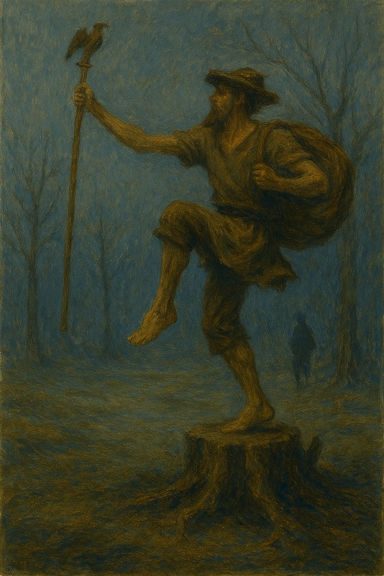
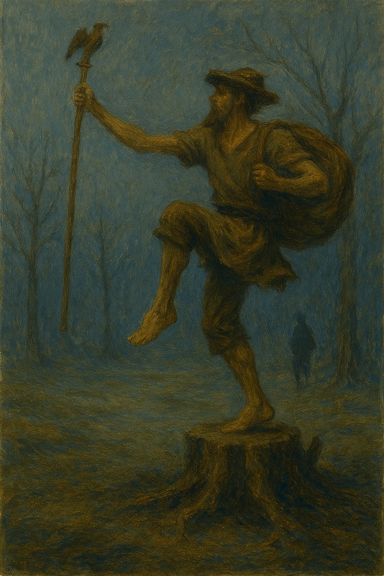
King David bearing the Ark of the Covenant into Jerusalem, Early16th cen.. From a private collection.

Posted in lectio-divina, Ministry | Tagged , , , , , | Leave a comment

“Report Card”

Around this time every year, families experience mixed emotions due to their children’s school vacations and graduations. Parents of children who have done well in school feel proud and forget all the hardships of the past year as they attend award ceremonies and applaud their children’s achievements. On the other hand, when report cards show poorer results than the previous year—or even failing grades—parents naturally feel anxious and concerned.

Our three children also received their report cards, reflecting the results of their efforts throughout the year. After moving into a new parsonage, our children had to transfer to new schools, which brought with it many adjustments and challenges. I was simply thankful that they had made it through the academic year safely, despite the difficulties of adapting to a new environment. The younger two children showed steady improvement, but our eldest, now a high school junior, brought home grades that had significantly dropped compared to the previous year. More than our child, it was we, the parents, who were taken aback.

When her mother asked her why, our daughter tearfully said, “I just don’t like this school!”—her eyes welling up with tears. Hearing this, I was filled with sorrow and regret as a mother. That one, simple sentence, coming from a child who is usually thoughtful and reserved, echoed in my heart.

I felt deep shame, realizing that I had been like a foolish gardener—uprooting a tree in full bloom and replanting it elsewhere without any concern for its growth, then blaming the tree for not flowering or bearing fruit. While smaller trees can easily spread new roots, a fully grown tree struggles to establish itself in unfamiliar soil. Yet our eldest daughter never once voiced complaints about her new school. Instead, she struggled silently to take root, all while juggling overwhelming internal and external responsibilities. She even tried to overcome her loneliness and isolation through volunteer work, always saying things like, “Mom is busy, so I shouldn’t bother her,” while pretending that everything was fine.

It broke my heart. How could I have been so blind as a mother? Why did I act as if my children’s report cards defined their entire worth? When I turned the question back on myself—what would my report card look like?—I realized it was a complete mess. I had failed in every role: as a wife, pastor’s wife, mother, daughter-in-law, daughter, and mission leader. Worst of all, my relationship with God was in shambles. There was nothing to be proud of—only failure after failure. There is nothing more painful than despairing of oneself.

At dawn prayer, I laid out my report card—so full of failures—before God in tearful repentance, seeking His help. And just as He always does, God comforted me, telling me to lay down my burdens and find new strength in Him. Through the eyes with which I had sorrowfully watched my daughter, God helped me realize that He too looks at the report cards of our lives with compassion and concern.

When we succeed, our almighty God rejoices. But when we fail and our lives descend into decline, God also suffers with us. He desires that all His children on earth receive their rewards and live victorious lives. Yet He deeply grieves for those who fall behind on the journey of life.

Thankfully, we still have the gift of tomorrow. But we must remember—today is yesterday’s tomorrow. If we don’t realign ourselves right now and passionately move toward our goals, our future report cards will be no different.

Standing on a downhill slope, for whatever reason, is not always a curse. It can be a hidden blessing. True success cannot come without failure. I thought of a plow being forged in a refinery—pounded and shaped by fire and hammer. I first prayed that my daughter, who once dreamed of becoming a missionary, would now take deep root in faith within God. And I once again held tightly to the promise that the good Lord, who gives us the gift of a new day, always helps us strive toward better outcomes.

– A Pastoral Letter (For the Sake of Beauty, Tenth Story, 1993) by WanHee Yoon

report card - adjustment - school report card stock pictures, royalty-free photos & images
report card old - school report card stock pictures, royalty-free photos & images
Posted in Essay by WanHee Yoon, For the Sake of Beauty, Ministry | Tagged , , , , , , , | Leave a comment

“성적표”

해마다 이맘때쯤이면 자녀들의 방학과 졸업으로 가정마다 희비가 엇갈리게 됩니다. 공부를 잘한 자녀들을 둔 부모님들은 이때쯤이면 자녀들의 상받는 모임에 초대되어 뿌듯한 마음으로 힘껏 박수를 치며 그 동안의 모든 시련들을 잊게 됩니다. 그러나 성적표 결과가 전년보다 못하거나 때로는 낙제라는 결과를 얻게 되었을 때에는 부모님들은 애를 태우게 됩니다.

우리 가정의 세 아이들도 일 년 동안 나름대로 노력한 결과에 합당 한 성적표들을 받아 왔습니다. 새 목사관으로 이사오게 되어 아이들의 학교도 옮기게 되다 보니, 제 나름대로 새로운 환경에 적응하느라 많은 노력들과 어려움을 겪으면서 무사히 학기를 넘긴 것이 고마웠습 니다. 그러나 작은아이들 둘은 꾸준히 향상한 반면, 올해 고등학교 2 학년인 큰아이가 전년보다 형편없이 떨어진 결과 앞에 아이보다도 부모인 우리 자신이 더 당황했습니다. 이유를 따지는 엄마에게 “저는 이 학교가 싫어요!” 하며 눈물을 글썽이며 눈을 껌뻑이는 아이 앞에서 엄마로서의 부족함과 안타까움을 갖게 되었습니다. 모든 일에 사려가 깊은 아이의 심중에 숨어있던 그 한마디가 메아리처럼 들려왔습니다.

한창 꽃을 피우며 자라나고 있는 나무를 어느 날 무조건 뽑아다가 다른 자리에 옮겨 심고, 왜 꽃이 피지 않고 열매가 없냐고 나무를 나무라는 미련한 정원사 꼴이 되고 만 제 자신의 처지가 몹시 부끄러웠습니다. 작은 나무들이야 뿌리가 깊지 않은 상태이므로 옮겨 심은 대로 뿌리를 뻗어 나가지만, 다 자란 큰 나무가 새 환경 속에서 뿌리를 내리기란 그리 쉽지 않은 아픔이었을 것입니다. 그러나 큰 아이는 한번도 새 학교에 관한 불평이나 어려움을 털어놓지 않은 채, 열심히 홀로 뿌 리내리기에 몸부림친 것이었습니다. 그러면서도 감당하기 힘겨운 대 내외적인 봉사활동 속에 소외감과 외로움을 극복하려고 애쓰며, 늘 “엄마는 바쁜 사람이니까 귀찮게 해드리지 말아야지, 하는 마음으로 모든 일에 잘하고 있다는 인사 치레를 했던 것입니다.

가슴이 아팠습니다. 엄마로서 이렇게 미련할 수 있었을까? 아이들의 성적표가 인생의 전부인 양 두 눈을 휘둥거리며 결과를 따지는 내 자신의 성적표는 과연 얼마나 될까? 하고 채점해 보니, 이것은 누구 앞에도 내어놓을 수 없는 형편없는 것이었습니다. 아내, 사모, 어머니, 며느리, 딸, 선교회 담당자로서 그 어느 역할도 제대로 한 것이 없었습니다. 하물며 하나님과 관계는 더 형편없는 것이었음을 고백하지 않 을 수 없습니다. 상을 타거나 등수에 들 만한 것이라곤 하나도 없이 모든 것이 낙제투성이였습니다. 자기 스스로에 대해 절망하는 것처럼 비참한 일은 없습니다.

새벽 기도회에 나가 하나님께 통회하며 낙제투성이로 얼룩진 나의 성적표를 내어놓고 주님의 도우심을 간구하였습니다. 하나님께서는 언제나 그러셨듯이 내 짐을 모두 내려놓고 주 안에서 새힘을 얻으라며 위로하셨습니다. 그리고 큰 아이를 바라보며 안타까워하는 내 심령 처럼, 하나님도 내 인생의 모든 성적표를 들여다보시며 안쓰러워하심을 깨닫게 하셨습니다. 내 삶이 승리할 땐, 전능하신 하나님께서도 기 뻐하십니다. 그러나 내 삶이 형편없는 하향길에서 낙제를 하게 될 때 전능하신 하나님께서도 낙제를 하십니다. 하나님께서는 오늘도 그분의 모든 자녀들이 이 땅에서의 삶에 상 받기를 원하시고 승리하기를 원하시지만, 인생길에 낙오된 모든 자녀들을 향하여는 안타깝게 여기시며 애쓰십니다.

우리에겐 다행히도 내일이라는 기회가 있습니다. 그러나 오늘은 어제의 내일이었음을 생각할 때, 오늘 이 순간을 빨리 재정비하여 목표를 향해 열정적으로 나가지 않는다면, 세월이 흘러 삶의 고리들에 표시된 성적표의 결과는 마찬가지일 것입니다.

어떤 이유이든지 내리막길에 서 본다는 것은 축복이 아닐 수 없습 니다. 실패 없는 성공은 옳은 성공이 아님을 상기하며, 제련소의 뜨거운 불속을 오가면서 망치로 이리저리 두들겨 맞으며, 모양을 갖추어 가는 쟁기를 생각해 봅니다. 일찍이 하나님 앞에서 선교사의 꿈을 다 부지게 펴고 있는 큰아이가 하나님 안에서 깊은 믿음의 뿌리를 내리기를 먼저 기도하였습니다. 그리고 다시 한번 서로 좋은 성적을 거두기 위해 노력할 수 있는 내일이라는 오늘을 주신 좋으신 하나님께서 언제나 도와주신다는 언약 위에 굳게 매달려 봅니다.

– 목사관 서신 (아름다움을 위하여, 열번째 이야기, 2001), 윤 완희

report card - adjustment - school report card stock pictures, royalty-free photos & images
report card old - school report card stock pictures, royalty-free photos & images
Posted in Essay by WanHee Yoon, For the Sake of Beauty, Ministry | Leave a comment

Reading on Psalm 92: 1-15

on August 3, 2025 by TaeHun Yoon


Thanksgiving for Vindication: “It is good to give thanks to the Lord…”


Preparation for Sacred Reading

This morning, I woke earlier than usual —
still tired, my sleep interrupted.

As I sat quietly, I listened to the choir’s offertory:
“Pura Vida (Enjoy Life!)”
the anthem of our mission team to Costa Rica.

The Spanish lyrics danced beyond my lips,
and the melody moved faster than I could follow.
Yet I joined in — not with perfection,
but with a spirit open to joy.

The team returned glowing —
changed, joyful, blessed.
Today’s worship was not a routine.
It was a living testimony.

Later, I watched my wife, my son, and his fiancée leave for Atlanta,
the house fell into stillness.
After a simple sandwich dinner,
I sat in my usual chair,
and took three slow, deep breaths.

“Oh come, let us sing to the Lord;
let us make a joyful noise to the rock of our salvation.”
(Psalm 95:1)

Alone, I softly sang:
“In the Garden”

“And He walks with me, and He talks with me,
and He tells me I am His own…”

Even in the quiet, I was not alone.
Then I whispered a prayer from Rubem Alves:

“Gracious God, make me sensitive to all the evidences of Your goodness…
and feel free to live intensely and happily the life You have given me.”


Lectio (Reading the Word)

I opened to Psalm 92
a psalm for the Sabbath, a temple morning song.

I read it again. Then again — in different translations.
I imagined priests offering lambs and pouring wine
at daybreak in the holy courts.

Words rose from the page like incense:

“It is good to give thanks to the Lord…”
“To declare Your steadfast love in the morning…”
“The righteous flourish like the palm tree…”


Meditatio (Meditation)

I let the Word sink in.
My heart spoke back:

“Lord, let me wake with You in my mind.
Let You be the rudder of my life.”

I lingered with these verses:

“They still bear fruit in old age;
they are ever full of sap and green.”

There is no aging in Your Spirit.
Only growth.
Only ripening.
Only praise.


Oratio (Prayer)

O Lord,
Replant me again in the courts of Your presence.
Root me where Your light can reach me.
Water me with grace.
Keep me fruitful —
even in my silver years.

Let my life proclaim:

“The Lord is righteous; He is my Rock.”


Contemplatio (Silence and Rest)

Then came the silence.
No asking.
No striving.

Just stillness —
like a spring hidden beneath fallen leaves,
softly trickling, old but alive.

Worship became a mountain.
The Spirit, a stream.
And I?
I drank.


Incarnatio (Embodiment of the Word)

Tears met memories.
I gave thanks —
for the road behind,
for mercies that shaped me,
for God’s quiet shaping hand.

Softly I chanted:

“Softly and tenderly Jesus is calling…”
Then again:
“Turn your eyes upon Jesus…”

And I did.
And I will.


Operatio (Living It Out)

Today, I choose to follow His voice.
To give thanks in quiet Sabbaths
and bustling Sundays.

To sing — even if the notes escape me —
as long as the Spirit flows.

To rise each morning in prayer:

“Lord, be my Rock.
Lead me through valleys,
and bring me to green pastures.”

“It is good to give thanks to the Lord.”
And I will —Thanksgiving for Vindication: A Lectio Divina on Psalm 92: 1-15
as long as I have breath.

May be an image of 9 people, television and text that says 'CONSTRUCTION ASBO SER y MorningService Morning Service St. Mark MarkUMC-Knoxville M- ί 37 subscribers Subscribed 0 Share 90 o0 Clip Save'
May be an image of 11 people, violin, saxophone, trumpet, television, oboe and clarinet
May be an image of 9 people, television and text that says 'G Google f Facebook D My Domains .... m https:/wwwu.cococo.m/m/ =51Ma1HZ9PgY 4 OnDemandKorea... - CSS3 Introduction I eBay Log ก LAShowro... st. mark st.markumcknoxville C knoxville tn Inbox- princessdia Yo tengo alegria, alegria, en mi corazón, porque Cristo me salvó. 25:55 1: 25:55/1:11:4 1:41 Sunday SundayMorningService Morning Service St. Mark UMC- 37 subscribers CC Subscribed 0 ም Share ao 8 Clip Save'

Posted in lectio-divina, Ministry | Tagged , , , , , | Leave a comment

“Toward the Summit”

It is said that among mountain climbers these days, ice climbing is in full swing. These climbers seek out steep and dangerous frozen waterfalls or valleys, scaling icy cliffs while enduring severe weather, snow, and slippery terrain. With their lives hanging on a single rope, they drive their axes into walls of ice, relishing the intense thrill of the climb. A single misstep could send sharp chunks of ice crashing down, or a crack in the frozen surface could collapse beneath them, sending a climber’s foot suddenly into empty space. Even though fatalities are not uncommon in such extreme situations, people continue to savor the challenge of winter mountaineering. If someone like us—who has never truly tasted the challenge and fulfillment of ice climbing—asks why they would go through such suffering on purpose, they would likely respond, “Don’t ask until you’ve tried it.”

On December 12, 1995, Huh Young-Ho, a Korean climber, stood atop Vinson Massif (5,140m), the highest peak in Antarctica, a land still breathing the ancient breath of the earth. Planting the Korean flag he carried in his heart, he savored the joy of conquest on that frozen ground. Born in 1954, he began climbing at age sixteen and gained international attention in 1982 when he summited Makalu (8,463m), the world’s fifth highest mountain. His spiritual, almost monastic approach to mountaineering marked him as a unique figure. Ultimately, he became the first in the world to conquer the Three Poles (the North Pole, the South Pole, and Mount Everest) and all Seven Summits (the highest mountains on each continent)—a feat that made Koreans immensely proud.

I thought about the ice-covered mountains he climbed, the brutal cold, the days he wandered aimlessly from one mountain to another, disoriented, dragging legs numbed by exhaustion and frostbite. I thought about the danger of blizzards, the loneliness, hunger, regret, fear, and battles with the self. In his words, “Don’t ask why I strive to climb to such great heights…,” we glimpse the instinctive human drive toward the unknown. His journey into the ancient void is surely one of humanity’s greatest endeavors.

A few weeks ago, our city was paralyzed by a sudden avalanche of snow, reminding us of just how fragile and powerless humans are before nature. Yet the human impulse to conquer nature continues in every corner of the world. Even when people have food, shelter, and comfort, they remain unsatisfied. No one, no matter how secure, can truthfully say they possess complete happiness. Such a claim would still fall short—an immature illusion. True human fulfillment and joy are won slowly, through a lifetime of hardship and adversity. Whether it’s rock climbing, bungee jumping, ice climbing, or hang-gliding, these extreme sports provide a sense of conquest and challenge, a taste of personal triumph. Because of this hunger to face new worlds, we live lives enriched by accomplishment. As long as human history continues, so too will the challenges toward the unknown.

In the same way we challenge nature, the pursuit of truth and eternity is a difficult and demanding journey. And especially when walking toward a summit we cannot see with our eyes, we come to realize—moment by moment—that without the help of the Holy Spirit, we cannot advance even a single step. The fierce winds of life and the gentle breezes that tempt our weary bodies into slumber both work to stall or stop our steps.

The Bible tells us that God created humankind and placed in our hearts a longing for eternity (Ecclesiastes 3:11). Those who yearn for eternity and climb the mountain of faith with the rope of prayer each day are already victors through faith. Those who have tasted the freedom, joy, and peace that come from truth never give up the climb toward that summit, even unto death. Until they reach the summit of truth, rest is never an option.

I too have had times of falling, stumbling, and suffering from fear and pain. I don’t know how many more moments of discouragement I may face, how many times I’ll want to give up the climb. But my summit—my destination—is clear, and so I cannot hesitate. Before the sun sets, before my body becomes too weak, I must press on across the rugged mountain ranges ahead. I cannot abandon the climb.

Even today, people travel to the ends of the earth or risk their lives on ice cliffs in search of meaning and achievement. They pour all their life and energy into giving meaning to the life they pursue. Yet unless God grants us the eyes to truly see the value of what we chase, we cannot even recognize what has true meaning. As I engage in this inner battle toward eternity, I resolve once again—never to stop until the day I raise the banner of victory.

– A Letter from the Parsonage (For the Sake of Beauty, Ninth Story, 2001) by WanHee Yoon

strong man climbing vertical ice wall - ice wall stock pictures, royalty-free photos & images
Posted in Essay by WanHee Yoon, For the Sake of Beauty, Ministry | Tagged , , , , , , | Leave a comment

“산정을 향하여”

산을 타는 사람들 중에는 요즈음 빙벽 등반이 한창이라고 말합니다. 폭포나 계곡이 강추위에 얼어붙은 가파르고 위험한 곳만을 찾아 오르는 이들은, 악천후, 눈과 빙판길의 위험을 헤치고 얼음벽을 찍어가며, 로프 하나에 목숨을 걸고 올라가는 긴장감을 즐기는 스포츠라고 합니다. 잘못하면 무겁고 뾰족한 얼음덩어리가 몸위로 떨어져 내릴 수 있고 균열된 얼음이 그대로 부서져 내려, 딛고 있던 발이 공중에 붕 뜰 수 있는 극한 상황에 도달하여 목숨을 잃는 예도 비일비재함에도 불구하고 사람들은 겨울 산행을 만끽한답니다. 빙벽 등반의 위험에서 오는 도전과 성취감, 자아와의 싸움에의 승리를 제대로 맛보지 못한 우리 같은 사람들이 왜 고생을 사서 하느냐고 묻는다면 아마도 “해보지 않고는 묻지도 마시오.”라고 외면할 것 같습니다.

1995년 12월 12일, 남극의 빙원 태고의 숨결이 잠들어 있는 남극최고봉인 빈슨매시프(5,140m)에 한국인 허영호씨가, 가슴에 품고 있던 태극기를 꽂으면서 언 땅 위에서 정복의 기쁨을 마음껏 만끽하였습니다. 1954년생인 그는 16세부터 산에 오르기 시작했으며, 1982년에 세계 5위봉인 마칼루(8,463m)에 오르면서 구도자적인 그의 산행은 세인들의 주목을 받게 되었습니다. 결국 그는 세계 최초의 3극점과 7대륙을 정복하여 인간 승리의 깃발을 세계 만방에 펄럭이게 되었음에 여간 자랑스러운 일이 아닐 수 없었습니다.

허영호 씨가 밟았던 얼음산들과, 혹독한 추위, 방향 감각조차 잡지 못하고 이 산과 저 산을, 피곤과 동상으로 마비된 다리를 이끌고 헤매이던 날들과 눈보라의 위험, 외로움, 굶주림, 후회, 두려움, 자아와의 싸움 등을 잠시 더듬어 보았습니다. 그의 “묻지 마라, 왜 그렇게 높은 곳까지 오르려 애쓰는지… …”라는 독백처럼 외친 말속에 미지의 세계를 향한 인간의 본능을 찾을 수 있었습니다. 그의 태고의 공백에의 접근은 인간의 가장 위대한 시도 중의 하나임에 틀림없습니다.

우리는 몇 주 전에 불어닥친 눈사태에 도시 전체가 마비되는 경험 을 겪으면서, 자연의 힘 앞에 인간이 얼마나 나약한 존재인가를 깨닫게 되었습니다. 그럼에도 인간의 자연에의 정복은 세계 곳곳에서 일어나고 있습니다. 인간은 먹고 자고 편안한 가운데서도 결국 만족할 수 없음을 봅니다. 어느 누가 자신은 이 세상에서 가장 완전한 행복을 갖고 있다고 말한다고 하여도, 그것 역시 불완전하고 온전히 성숙되지 못한 상황이라고 생각합니다. 인간의 완전성과 행복은 고난과 역경을 통해 평생의 삶 속에 조금씩 얻어지는 것이기 때문입니다. 각종 위험을 무릅쓴 바위타기, 번지 점핑, 빙벽 등반, 행글라이더 등 목숨을 건 스포츠를 통해 정복의 희열을 맛보고, 새로운 세계에 대한 도전이 있기에 우리의 삶은 그만큼 자기 성취의 다양한 삶을 사는 것입니다. 미지의 세계에 대한 도전은 인간의 역사가 진행되는 한 계속되리라 봅니다.

인간의 자연 세계에 대한 도전과 마찬가지로 진리의 세계, 영원의 세계를 향하여 도전하는 일은 어렵고 힘든 일입니다. 더군다나 눈에 보이지 않는 산정을 향해 날마다 나아가는 일은 성령님의 도우심 없이는 한치도 나아갈 수 없음을 순간순간 느끼게 됩니다. 삶의 거센 바람과 때로는 피곤한 육신을 포근히 잠들도록 유혹하는 미풍은 우리의 발걸음을 주저하거나 멈추게 하려 합니다.

하나님께서 인간을 지으시고 그 안에 영원을 사모하는 마음을 주셨다(전 3: 11)고 성경은 밝힙니다. 영원을 사모하는 자! 그 산정을 향하여 오늘도 기도의 밧줄로 그 산을 오르는 이들은, 이미 믿음의 승리를 이루신 분들입니다. 진리 안에서의 자유와 기쁨, 평화를 맛본 이들은 그 목숨이 다할 때까지 산정을 향해 나아가기를 결코 포기치 않습 니다. 그 진리의 산정에 도달하기 전까지 쉼이란 결코 용납될 수 없습니다.

저도 많은 시간과 날들 속에서 떨어지기도 하고, 넘어지기도 하고, 두려워 고통할 때도 있었습니다. 앞으로도 얼마나 많은 순간을 좌절 하고, 산정을 오르는 일을 거두고 싶은 상황이 올지 알 수 없지만, 내가 오를 산정, 나의 목적지는 분명히 정해져 있으므로 주저할 수 없습 니다. 해가 어두워지기 전, 내 육신이 쇠약해지기 전에 어서 넘어가야 만 할 험산준령을 포기할 수 없기 때문입니다.

오늘도 지구의 끝을 향하여, 또는 빙벽 등반 등을 통하여 사람들은 자기 삶의 의미와 성취를 찾기 위해 모험을 떠납니다. 또한 자신이 추구하는 삶에 의미를 부여하고 생명을 다해 도전합니다. 그러나 사람 이 의미를 부여하는 모든 것들이 진정한 의미가 있는지 그 가치를 바라볼 수 있는 눈을, 하나님께서 허락지 않으시면 감히 볼 수조차 없습 니다. 영원을 향한 자아와의 싸움, 언젠가 승리의 깃발을 날리는 날까 지 쉬지 말아야 되리라고 다짐해 봅니다.

– 목사관 서신 (아름다움을 위하여, 아홉번째 이야기, 2001), 윤 완희

strong man climbing vertical ice wall - ice wall stock pictures, royalty-free photos & images

Posted in Essay by WanHee Yoon, For the Sake of Beauty, Ministry | Leave a comment

Sheltered in the Shadow of the Almighty: A Lectio Divina on Psalm 91

on August 2, 2025 by TaeHun Yoon

As I settle quietly into my chair, preparing to read Scripture, I open my heart with this prayer from Ignatius of Loyola:

Teach us, good Lord, to serve you as you deserve:
To give and not to count the cost;
To fight and not to heed the wounds;
To toil and not to seek for rest;
To labor and not to ask for any reward,
Except that of knowing we do your will;
Through Jesus Christ our Lord. Amen.

I begin my time of reflection by softly singing verses 1 and 4 of George Bennard’s 1913 hymn, “The Old Rugged Cross”:

On a hill far away stood an old rugged cross,
The emblem of suffering and shame…
For a world of lost sinners was slain.
So I’ll cherish the old rugged cross,
Till my trophies at last I lay down.

As the melody fades in my heart, I take three slow, deep breaths. I pause. I center myself in the presence of God.


Lectio (Reading the Word)
I slowly read Psalm 91:1–16, turning through various translations.
The voice of Moses echoes with striking images:

Those who dwell in the shelter of the Most High
will rest in the shadow of the Almighty…

Words rise from the page—
the hunter’s snare, the flying arrows, the deadly pestilence, lions and serpents…
This is no peaceful meadow. It is a battlefield wrapped in divine protection.

I imagine a priest reciting this psalm to soldiers before a great battle.
These are not just poetic verses—
they are promises of strength and shelter spoken into the face of danger.


Meditatio (Meditating on the Word)
My heart lingers on verses 14–16, and I hear God’s voice whisper back:

“Because you are devoted to me, I will rescue you.
I will protect you because you know my name.
When you call, I will answer.
I will be with you in trouble.
I will deliver you and honor you.
I will satisfy you with long life and show you my salvation.”

I picture myself at a quiet mountain campsite, high above the chaos.
The air is clean, the silence deep.
No wild animal, no arrow, no fog of fear can touch me here.
I am safe in God’s tent.

I remember King David’s mistake—counting his army, seeking security in numbers.
I resist that temptation now.
I surrender control and let God determine the outcome.
His love is my stronghold. His presence is my base camp.


Oratio (Responding to the Word)
I respond in prayer, lifted by God’s promise.

“Because he has set his love upon Me,
Therefore I will deliver him.”

The Hebrew image is tender—like a dog pressing against its master,
or a child clinging tightly to a parent.

God doesn’t wait for the trouble to pass.
He steps into it with us, walks beside us,
delivers us not just from danger—but through it.

I remember moments of grief—
when sorrow carved space for grace,
when brokenness became the doorway to beauty.


Contemplatio (Resting in the Word)
Now I walk in silence—
in my imagination, beside a quiet lake.
No words are needed. No thoughts.
Just being. Just breathing. Just resting.

Here, in the shelter of the Most High,
my anxious heart finds peace.
There is no performance.
Only presence.
Only love.


Manifestatio (Living the Word)
As I return to my daily life,
I carry with me the calm of this sacred encounter.

Sunday worship becomes my holy mountain—
where music, Scripture, and community lift me back to God.

This week, I walk as a pilgrim—
attentive, grounded, steady.
Through toil and uncertainty,
I carry the peace of Psalm 91.

For His glory.
For His name.
Amen.

man camping - camping tent lake stock pictures, royalty-free photos & images

Posted in lectio-divina, Ministry | Tagged , , , , , | Leave a comment